

Topline: Prosecutors filed murder and conspiracy charges against a woman identified as the source of MDMA that killed a festival attendee.
Published: March 22, 2026 6:00 am ET

Must Read
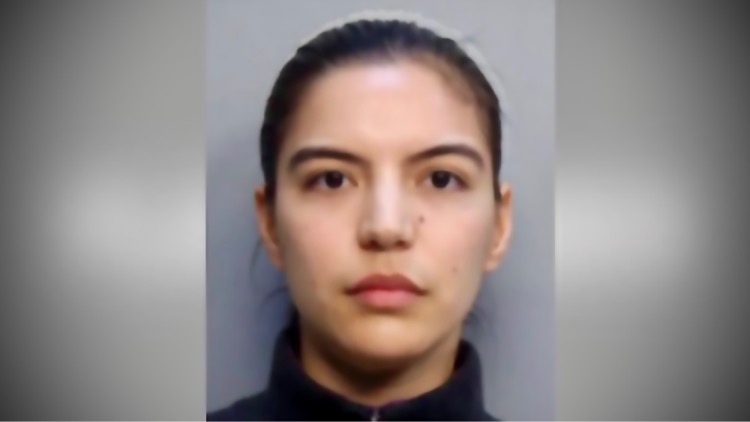
Charlene Forti (via Miami-Dade Sheriff’s Department)
MIAMI, FL — Law enforcement officials have arrested four people in connection with the 2025 drug overdose death of a Georgia woman at the Ultra Music Festival in downtown Miami.
The arrests of Charlene Forti, Hannah Le-Nguyen, An Tan Ly, and Carmen Lo follow a yearlong investigation into the death of Jenniha Le. Miami police began the probe in March 2025 after Le died at Jackson Memorial Hospital, as reported by US Weekly.
Medical examiners determined Le died from an overdose of illegal drugs after attending the electronic dance music festival. Investigators said Le became ill after taking an MDMA pill.
According to police reports, Le-Nguyen, who was Le’s romantic partner, took her to a health tent at the festival when her health began to deteriorate. Le was then moved to the hospital, where she was pronounced dead.
The Florida Department of Law Enforcement reported that Lo, a friend of the couple, introduced Le-Nguyen to Forti to purchase party drugs. Investigators said Forti sold the MDMA to Le-Nguyen, who then provided the pill to Le.
Investigators identified Ly as the individual who originally brought the MDMA to the festival grounds.
Ly and Le-Nguyen were arrested in Miami-Dade County on March 17, according to CBS News. Broward Sheriff’s Office deputies arrested Forti in Broward County that same day.
Forti now faces charges of murder, conspiracy to commit murder, and unlawful use of a two-way communications device.
Lo was arrested March 17 in Atlanta by Georgia authorities and remains in the Fulton County Jail. Officials said she will be extradited to Miami-Dade County to face a charge of conspiracy to commit first-degree murder.
Le-Nguyen and Ly face charges of possession of a controlled substance. Records show Ly, Le-Nguyen, and Forti were booked into the Turner Guilford Knight Correctional Center in West Miami-Dade.
Legal experts said the prosecution is raising broader legal questions regarding the use of murder charges in drug cases.
Megan Chaney, a law professor at Nova Southeastern University, told WPLG that while it is not unusual for prosecutors to pursue capital felonies for those who did not intend to kill, the practice is rarely applied to drug distribution.
Chaney said the case may reflect an effort to send a warning to the public. She noted that the message is sent regardless of whether the state secures a conviction.
“It’s not an odd thing that prosecutors would pursue the death penalty or a capital felony for somebody who did not intend to kill, but it is very rarely applied to the distribution of drugs,” said Chaney. “Whether they are able to convict or not, the message is sent,” she continued, “I think it definitely has a chilling effect.”
The professor also told WPLG that the Florida Legislature may have been focused on fentanyl and deadly overdoses tied to contaminated drugs when considering the statutes.
Attorneys for the defendants have not yet released public statements regarding the allegations or the specific charges. The cases are currently pending in Miami-Dade and Fulton County court systems.
Presumption of Innocence: A presumption of innocence means that any defendant in a criminal trial is presumed to be innocent until they have been proven guilty beyond a reasonable doubt in a court of law. The defendant in this case is only accused of the charges set forth in the criminal complaint. They are innocent until proven guilty.
Editor Picks





Latest Articles



Florida Woman Charged With Murder After Ultra Festival Overdose
Prosecutors filed murder and conspiracy charges against a woman identified as the source of MDMA that killed a festival attendee.
By Kate Byrd
Published: March 22, 2026 6:00 am ET
Charlene Forti (via Miami-Dade Sheriff’s Department)
MIAMI, FL — Law enforcement officials have arrested four people in connection with the 2025 drug overdose death of a Georgia woman at the Ultra Music Festival in downtown Miami.
The arrests of Charlene Forti, Hannah Le-Nguyen, An Tan Ly, and Carmen Lo follow a yearlong investigation into the death of Jenniha Le. Miami police began the probe in March 2025 after Le died at Jackson Memorial Hospital, as reported by US Weekly.
Medical examiners determined Le died from an overdose of illegal drugs after attending the electronic dance music festival. Investigators said Le became ill after taking an MDMA pill.
According to police reports, Le-Nguyen, who was Le’s romantic partner, took her to a health tent at the festival when her health began to deteriorate. Le was then moved to the hospital, where she was pronounced dead.
The Florida Department of Law Enforcement reported that Lo, a friend of the couple, introduced Le-Nguyen to Forti to purchase party drugs. Investigators said Forti sold the MDMA to Le-Nguyen, who then provided the pill to Le.
Investigators identified Ly as the individual who originally brought the MDMA to the festival grounds.
Ly and Le-Nguyen were arrested in Miami-Dade County on March 17, according to CBS News. Broward Sheriff’s Office deputies arrested Forti in Broward County that same day.
Forti now faces charges of murder, conspiracy to commit murder, and unlawful use of a two-way communications device.
Lo was arrested March 17 in Atlanta by Georgia authorities and remains in the Fulton County Jail. Officials said she will be extradited to Miami-Dade County to face a charge of conspiracy to commit first-degree murder.
Le-Nguyen and Ly face charges of possession of a controlled substance. Records show Ly, Le-Nguyen, and Forti were booked into the Turner Guilford Knight Correctional Center in West Miami-Dade.
Legal experts said the prosecution is raising broader legal questions regarding the use of murder charges in drug cases.
Megan Chaney, a law professor at Nova Southeastern University, told WPLG that while it is not unusual for prosecutors to pursue capital felonies for those who did not intend to kill, the practice is rarely applied to drug distribution.
Chaney said the case may reflect an effort to send a warning to the public. She noted that the message is sent regardless of whether the state secures a conviction.
“It’s not an odd thing that prosecutors would pursue the death penalty or a capital felony for somebody who did not intend to kill, but it is very rarely applied to the distribution of drugs,” said Chaney. “Whether they are able to convict or not, the message is sent,” she continued, “I think it definitely has a chilling effect.”
The professor also told WPLG that the Florida Legislature may have been focused on fentanyl and deadly overdoses tied to contaminated drugs when considering the statutes.
Attorneys for the defendants have not yet released public statements regarding the allegations or the specific charges. The cases are currently pending in Miami-Dade and Fulton County court systems.
Presumption of Innocence: A presumption of innocence means that any defendant in a criminal trial is presumed to be innocent until they have been proven guilty beyond a reasonable doubt in a court of law. The defendant in this case is only accused of the charges set forth in the criminal complaint. They are innocent until proven guilty.
Editor's Note: ThePo makes every effort to accurately transcribe the contents of affidavits of probable cause contained in criminal complaints. Often, the complaints themselves are copies of copies of faxed copies, and are difficult to read. To confirm the accuracy of our transcription, contact the Magisterial District Court listed above and request a copy of the criminal complaint. It's a public record to which you are entitled.
Must Read
Editor Picks
Latest Articles
Florida Woman Charged With Murder After Ultra Festival Overdose
Prosecutors filed murder and conspiracy charges against a woman identified as the source of MDMA that killed a festival attendee.
By Kate Byrd
Published: March 22, 2026 6:00 am ET
Charlene Forti (via Miami-Dade Sheriff’s Department)
MIAMI, FL — Law enforcement officials have arrested four people in connection with the 2025 drug overdose death of a Georgia woman at the Ultra Music Festival in downtown Miami.
The arrests of Charlene Forti, Hannah Le-Nguyen, An Tan Ly, and Carmen Lo follow a yearlong investigation into the death of Jenniha Le. Miami police began the probe in March 2025 after Le died at Jackson Memorial Hospital, as reported by US Weekly.
Medical examiners determined Le died from an overdose of illegal drugs after attending the electronic dance music festival. Investigators said Le became ill after taking an MDMA pill.
According to police reports, Le-Nguyen, who was Le’s romantic partner, took her to a health tent at the festival when her health began to deteriorate. Le was then moved to the hospital, where she was pronounced dead.
The Florida Department of Law Enforcement reported that Lo, a friend of the couple, introduced Le-Nguyen to Forti to purchase party drugs. Investigators said Forti sold the MDMA to Le-Nguyen, who then provided the pill to Le.
Investigators identified Ly as the individual who originally brought the MDMA to the festival grounds.
Ly and Le-Nguyen were arrested in Miami-Dade County on March 17, according to CBS News. Broward Sheriff’s Office deputies arrested Forti in Broward County that same day.
Forti now faces charges of murder, conspiracy to commit murder, and unlawful use of a two-way communications device.
Lo was arrested March 17 in Atlanta by Georgia authorities and remains in the Fulton County Jail. Officials said she will be extradited to Miami-Dade County to face a charge of conspiracy to commit first-degree murder.
Le-Nguyen and Ly face charges of possession of a controlled substance. Records show Ly, Le-Nguyen, and Forti were booked into the Turner Guilford Knight Correctional Center in West Miami-Dade.
Legal experts said the prosecution is raising broader legal questions regarding the use of murder charges in drug cases.
Megan Chaney, a law professor at Nova Southeastern University, told WPLG that while it is not unusual for prosecutors to pursue capital felonies for those who did not intend to kill, the practice is rarely applied to drug distribution.
Chaney said the case may reflect an effort to send a warning to the public. She noted that the message is sent regardless of whether the state secures a conviction.
“It’s not an odd thing that prosecutors would pursue the death penalty or a capital felony for somebody who did not intend to kill, but it is very rarely applied to the distribution of drugs,” said Chaney. “Whether they are able to convict or not, the message is sent,” she continued, “I think it definitely has a chilling effect.”
The professor also told WPLG that the Florida Legislature may have been focused on fentanyl and deadly overdoses tied to contaminated drugs when considering the statutes.
Attorneys for the defendants have not yet released public statements regarding the allegations or the specific charges. The cases are currently pending in Miami-Dade and Fulton County court systems.
Presumption of Innocence: A presumption of innocence means that any defendant in a criminal trial is presumed to be innocent until they have been proven guilty beyond a reasonable doubt in a court of law. The defendant in this case is only accused of the charges set forth in the criminal complaint. They are innocent until proven guilty.
Editor's Note: ThePo makes every effort to accurately transcribe the contents of affidavits of probable cause contained in criminal complaints. Often, the complaints themselves are copies of copies of faxed copies, and are difficult to read. To confirm the accuracy of our transcription, contact the Magisterial District Court listed above and request a copy of the criminal complaint. It's a public record to which you are entitled.
Must Read
