

Topline: A multimillion-dollar jury award to the Kowalski family was reversed by a Florida appeals court, citing legal immunity and trial errors.
Published: November 2, 2025 8:00 am ET

Must Read
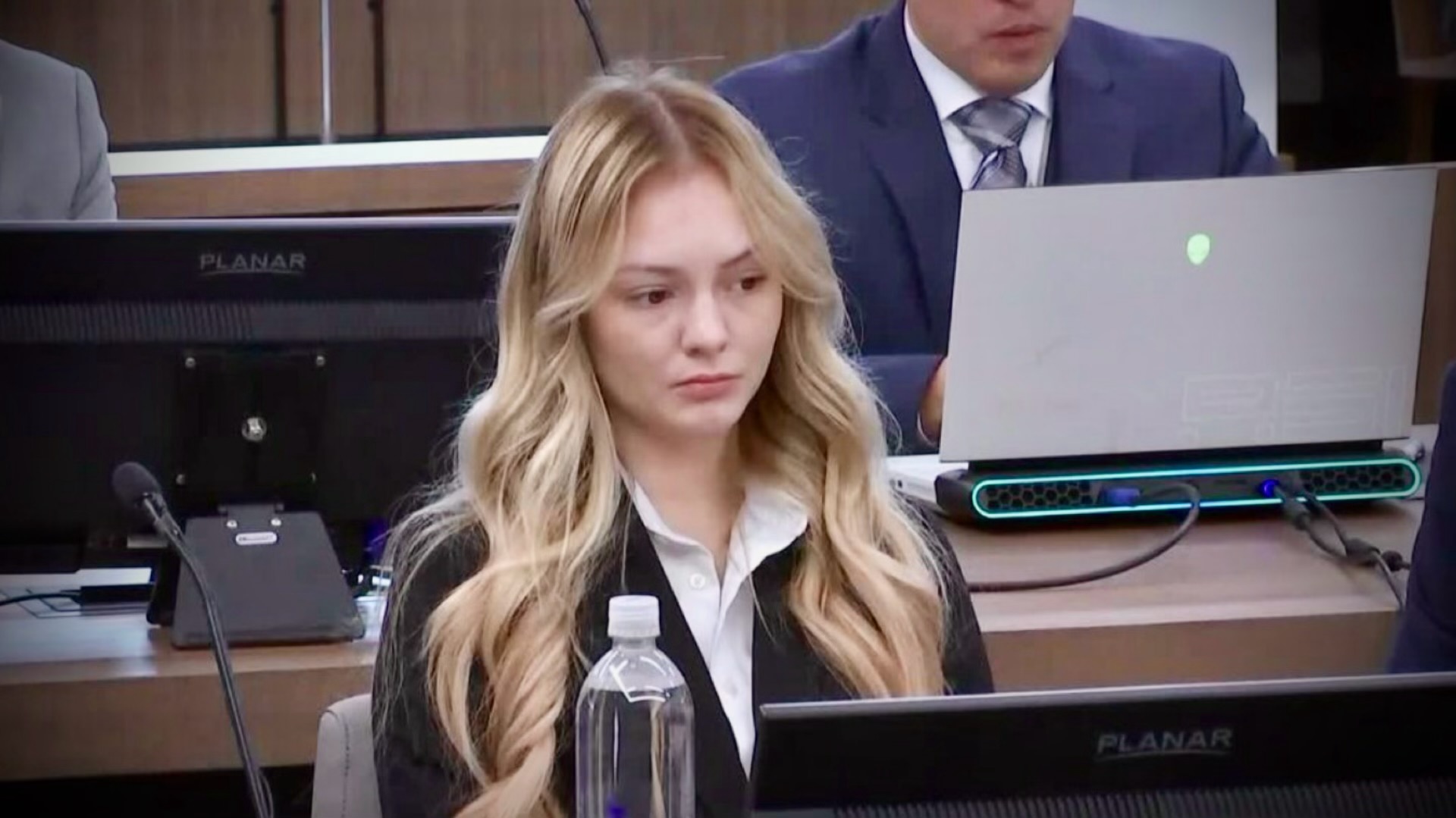
Maya Kowalski (via Netflix)
MIAMI, FL — A Florida appeals court overturned a $213.5 million verdict against Johns Hopkins All Children’s Hospital in a case involving Maya Kowalski, whose story was featured in the 2023 Netflix documentary “Take Care of Maya.”
The Second District Court of Appeal vacated the damages awarded to the Kowalski family, citing legal immunity and trial errors, according to Florida Politics. The ruling followed a 2023 trial in which a jury found the hospital liable for false imprisonment, battery, fraudulent billing, wrongful death, and intentional infliction of emotional distress.
The original jury award totaled $211,451,174 in compensatory damages and $50 million in punitive damages. The trial judge later reduced the total to $213.5 million. The appellate court’s decision nullifies that amount and orders a new trial on a narrower set of claims.
The Kowalski family’s allegations stemmed from a 2016 emergency visit to the hospital. Maya, then 10, was being treated for complex regional pain syndrome (CRPS), a rare neurological disorder. Her mother, Beata Kowalski, a registered nurse, advocated for ketamine treatment, which she claimed previously helped Maya manage her symptoms.
Hospital staff reported Beata to child protective services after she insisted on ketamine administration. The report led to allegations of Munchausen syndrome by proxy (MSP), a psychiatric condition in which a caregiver fabricates or induces illness in a child.
Following the report, Maya was placed in state custody for several months. The hospital barred Beata from contacting her daughter. In 2017, Beata died by suicide at age 43, leaving behind a note stating she could no longer endure being treated like a criminal.
The family sued the hospital, and the case gained national attention after the release of “Take Care of Maya.” The film chronicled the Kowalski family’s legal fight, Beata Kowalski’s death, and broader concerns about medical decision-making, parental rights, and child welfare procedures.
In its October 29 opinion, the appellate court stated that the hospital acted “in good faith” when reporting suspected abuse, a protection granted under Florida law. The court cited section 39.203(1)(a) of the Florida Statutes, which shields mandatory reporters from civil liability when they report abuse in good faith.
“This opinion sends a clear and vital message to mandatory reporters in Florida and across the country that their duty to report suspicions of child abuse and, critically, their good faith participation in child protection activities remain protected,” said Ethen Shapiro, attorney for the hospital, in a statement as per CourtTV.
The court found that the trial improperly allowed testimony and arguments that undermined the hospital’s legal immunity. It also faulted the trial judge for denying motions for directed verdicts and a new trial.
The reversal affects all seven initial claims brought against Johns Hopkins All Children’s Hospital. However, the court left open the possibility of a new trial focused on claims not covered by statutory immunity.
Importantly, the ruling reinforces the legal protections of healthcare providers who report suspected child abuse. It also limits future litigation in the Kowalski case, which remains ongoing.
Presumption of Innocence: A presumption of innocence means that any defendant in a criminal trial is presumed to be innocent until they have been proven guilty beyond a reasonable doubt in a court of law. The defendant in this case is only accused of the charges set forth in the criminal complaint. They are innocent until proven guilty.
If you or someone you know is struggling with suicidal thoughts, help is available. In the U.S., call or text 988 to reach the Suicide & Crisis Lifeline, available 24/7, or use online chat services. If you are outside the U.S., local resources are available through international crisis hotlines.
Editor Picks





Latest Articles




Court Reverses $213.5M Judgment Against Johns Hopkins in Maya Kowalski Case
A multimillion-dollar jury award to the Kowalski family was reversed by a Florida appeals court, citing legal immunity and trial errors.
By Kate Byrd
Published: November 2, 2025 8:00 am ET
Maya Kowalski (via Netflix)
MIAMI, FL — A Florida appeals court overturned a $213.5 million verdict against Johns Hopkins All Children’s Hospital in a case involving Maya Kowalski, whose story was featured in the 2023 Netflix documentary “Take Care of Maya.”
The Second District Court of Appeal vacated the damages awarded to the Kowalski family, citing legal immunity and trial errors, according to Florida Politics. The ruling followed a 2023 trial in which a jury found the hospital liable for false imprisonment, battery, fraudulent billing, wrongful death, and intentional infliction of emotional distress.
The original jury award totaled $211,451,174 in compensatory damages and $50 million in punitive damages. The trial judge later reduced the total to $213.5 million. The appellate court’s decision nullifies that amount and orders a new trial on a narrower set of claims.
The Kowalski family’s allegations stemmed from a 2016 emergency visit to the hospital. Maya, then 10, was being treated for complex regional pain syndrome (CRPS), a rare neurological disorder. Her mother, Beata Kowalski, a registered nurse, advocated for ketamine treatment, which she claimed previously helped Maya manage her symptoms.
Hospital staff reported Beata to child protective services after she insisted on ketamine administration. The report led to allegations of Munchausen syndrome by proxy (MSP), a psychiatric condition in which a caregiver fabricates or induces illness in a child.
Following the report, Maya was placed in state custody for several months. The hospital barred Beata from contacting her daughter. In 2017, Beata died by suicide at age 43, leaving behind a note stating she could no longer endure being treated like a criminal.
The family sued the hospital, and the case gained national attention after the release of “Take Care of Maya.” The film chronicled the Kowalski family’s legal fight, Beata Kowalski’s death, and broader concerns about medical decision-making, parental rights, and child welfare procedures.
In its October 29 opinion, the appellate court stated that the hospital acted “in good faith” when reporting suspected abuse, a protection granted under Florida law. The court cited section 39.203(1)(a) of the Florida Statutes, which shields mandatory reporters from civil liability when they report abuse in good faith.
“This opinion sends a clear and vital message to mandatory reporters in Florida and across the country that their duty to report suspicions of child abuse and, critically, their good faith participation in child protection activities remain protected,” said Ethen Shapiro, attorney for the hospital, in a statement as per CourtTV.
The court found that the trial improperly allowed testimony and arguments that undermined the hospital’s legal immunity. It also faulted the trial judge for denying motions for directed verdicts and a new trial.
The reversal affects all seven initial claims brought against Johns Hopkins All Children’s Hospital. However, the court left open the possibility of a new trial focused on claims not covered by statutory immunity.
Importantly, the ruling reinforces the legal protections of healthcare providers who report suspected child abuse. It also limits future litigation in the Kowalski case, which remains ongoing.
Presumption of Innocence: A presumption of innocence means that any defendant in a criminal trial is presumed to be innocent until they have been proven guilty beyond a reasonable doubt in a court of law. The defendant in this case is only accused of the charges set forth in the criminal complaint. They are innocent until proven guilty.
Editor's Note: ThePo makes every effort to accurately transcribe the contents of affidavits of probable cause contained in criminal complaints. Often, the complaints themselves are copies of copies of faxed copies, and are difficult to read. To confirm the accuracy of our transcription, contact the Magisterial District Court listed above and request a copy of the criminal complaint. It's a public record to which you are entitled.
Must Read
Editor Picks
Latest Articles
Court Reverses $213.5M Judgment Against Johns Hopkins in Maya Kowalski Case
A multimillion-dollar jury award to the Kowalski family was reversed by a Florida appeals court, citing legal immunity and trial errors.
By Kate Byrd
Published: November 2, 2025 8:00 am ET
Maya Kowalski (via Netflix)
MIAMI, FL — A Florida appeals court overturned a $213.5 million verdict against Johns Hopkins All Children’s Hospital in a case involving Maya Kowalski, whose story was featured in the 2023 Netflix documentary “Take Care of Maya.”
The Second District Court of Appeal vacated the damages awarded to the Kowalski family, citing legal immunity and trial errors, according to Florida Politics. The ruling followed a 2023 trial in which a jury found the hospital liable for false imprisonment, battery, fraudulent billing, wrongful death, and intentional infliction of emotional distress.
The original jury award totaled $211,451,174 in compensatory damages and $50 million in punitive damages. The trial judge later reduced the total to $213.5 million. The appellate court’s decision nullifies that amount and orders a new trial on a narrower set of claims.
The Kowalski family’s allegations stemmed from a 2016 emergency visit to the hospital. Maya, then 10, was being treated for complex regional pain syndrome (CRPS), a rare neurological disorder. Her mother, Beata Kowalski, a registered nurse, advocated for ketamine treatment, which she claimed previously helped Maya manage her symptoms.
Hospital staff reported Beata to child protective services after she insisted on ketamine administration. The report led to allegations of Munchausen syndrome by proxy (MSP), a psychiatric condition in which a caregiver fabricates or induces illness in a child.
Following the report, Maya was placed in state custody for several months. The hospital barred Beata from contacting her daughter. In 2017, Beata died by suicide at age 43, leaving behind a note stating she could no longer endure being treated like a criminal.
The family sued the hospital, and the case gained national attention after the release of “Take Care of Maya.” The film chronicled the Kowalski family’s legal fight, Beata Kowalski’s death, and broader concerns about medical decision-making, parental rights, and child welfare procedures.
In its October 29 opinion, the appellate court stated that the hospital acted “in good faith” when reporting suspected abuse, a protection granted under Florida law. The court cited section 39.203(1)(a) of the Florida Statutes, which shields mandatory reporters from civil liability when they report abuse in good faith.
“This opinion sends a clear and vital message to mandatory reporters in Florida and across the country that their duty to report suspicions of child abuse and, critically, their good faith participation in child protection activities remain protected,” said Ethen Shapiro, attorney for the hospital, in a statement as per CourtTV.
The court found that the trial improperly allowed testimony and arguments that undermined the hospital’s legal immunity. It also faulted the trial judge for denying motions for directed verdicts and a new trial.
The reversal affects all seven initial claims brought against Johns Hopkins All Children’s Hospital. However, the court left open the possibility of a new trial focused on claims not covered by statutory immunity.
Importantly, the ruling reinforces the legal protections of healthcare providers who report suspected child abuse. It also limits future litigation in the Kowalski case, which remains ongoing.
Presumption of Innocence: A presumption of innocence means that any defendant in a criminal trial is presumed to be innocent until they have been proven guilty beyond a reasonable doubt in a court of law. The defendant in this case is only accused of the charges set forth in the criminal complaint. They are innocent until proven guilty.
Editor's Note: ThePo makes every effort to accurately transcribe the contents of affidavits of probable cause contained in criminal complaints. Often, the complaints themselves are copies of copies of faxed copies, and are difficult to read. To confirm the accuracy of our transcription, contact the Magisterial District Court listed above and request a copy of the criminal complaint. It's a public record to which you are entitled.
Must Read
