

Topline: Duane Williams says critical evidence was hidden and his life was stolen by a system that failed him at every turn.
Published: July 26, 2025 8:00 am ET

Must Read
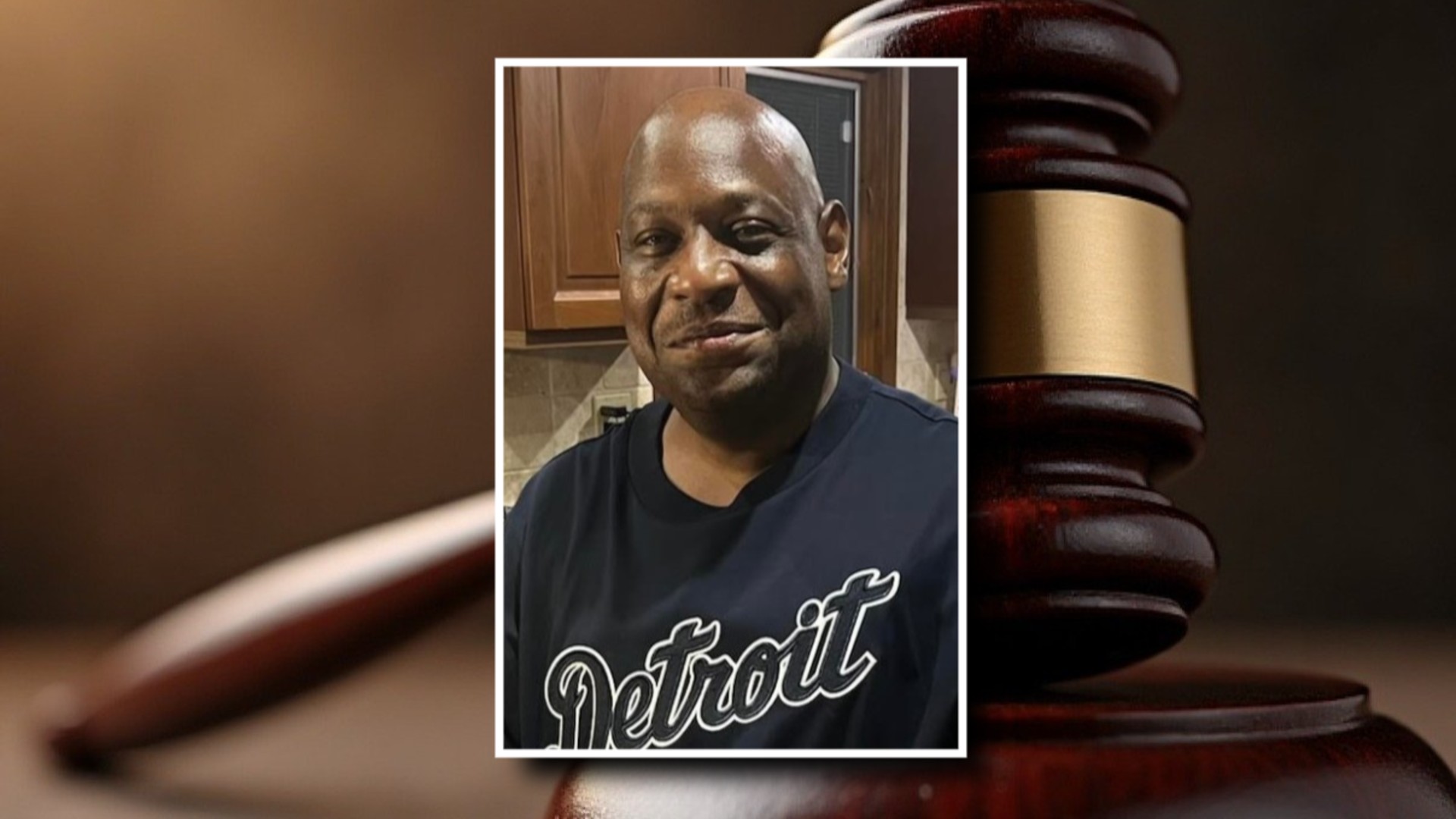
Duane Williams (via Instagram)
DETROIT, MI — A Detroit man who spent over a decade in prison for a crime he insists he did not commit is now suing the city, the county, and multiple officials for $100 million, alleging a web of misconduct that robbed him of his freedom and nearly his future.
Duane Williams—also known in court documents as Duane Smith—was convicted in 2013 of homicide and arson after an August 2012 house fire on Fielding Street claimed the lives of 67-year-old Bobby Cross and 42-year-old Daryl Simms.
He was sentenced to life without parole. But in 2024, his conviction was vacated, and the charges dismissed after evidence came to light that, according to his attorney, should have been presented from the beginning.
“Emotionally, I’m damaged,” Williams told WXYZ-TV. “So I can be out here now with people who love me and care about me, but I don’t know if I’m really able to feel it the way I should because I’m so hardened on the inside now.”
The federal complaint filed on July 22 in U.S. District Court in Detroit paints a harrowing picture of a failed justice system.
According to the Detroit Free Press, the suit alleges that city and county officials manipulated evidence, suborned perjury, and suppressed key materials that could have supported Williams’ defense. Among the most consequential pieces was a Zippo-style lighter discovered at the site where the fire originated—photographic evidence of which was only turned over years later after Williams filed Freedom of Information Act requests from prison.
“That’s where it all started,” said Todd Flood, Williams’ attorney, speaking to WXYZ while gesturing to an image of the lighter. “They eliminated, they manipulated this piece of evidence by taking it out of the original report.”
The lighter supported a defense theory that the fire was accidental, likely caused by careless smoking. The original fire report, according to the lawsuit, had categorized the fire as “indeterminate,” and made no mention of arson. That report—and others like it—was not disclosed to the defense at trial.
Williams spent years studying in the law library while incarcerated. Eventually, his own FOIA request turned up a trove of material that had never been seen by his attorneys, including 58 previously undisclosed photographs and documents—among them, images of the lighter and a witness interview. These discoveries formed the basis for a renewed legal review.
“What I was thinking was, I gotta get out of here,” Williams said. “I can’t let them steal my life away like this.”
The Wayne County Prosecutor’s Office’s Conviction Integrity Unit began reviewing the case in 2022. In June 2024, a Wayne County Circuit Court judge vacated Williams’ conviction, and by October, the charges were dropped altogether.
Bobby Cross’s daughter, Jacqueline, remains unconvinced of Williams’ innocence. She told WXYZ that her father had lived in the house for more than 20 years without incident, and claimed that Williams and her father had an argument the night of the fire.
“My daddy been living there for like 20 something years, and that never ever happened,” she said. “So all of a sudden, you know, when them two get into it that night, all of a sudden the house catch a fire… I don’t understand how they did not find a lighter, but you know, the lighters are all over the house.”
Despite such skepticism, Williams said he puts his faith in the record.
“I can only hope that they can understand that I didn’t [do it], and I hope that they can find it in their heart to look at what happened, and it speaks for itself,” he said. “I’m sorry about the people that lost their lives—I mean, I knew them—but I wasn’t responsible.”
The 45-page lawsuit accuses officials of a series of constitutional violations, including the manipulation of fire investigation reports, suppression of exculpatory witness statements, and use of coerced testimony. Among the allegations is that the original cause of death for the victims was ruled accidental, only to be changed to homicide based on an uncorroborated jailhouse informant’s statement.
According to the Detroit Free Press, the medical examiner who testified at trial later told prosecutors that—given the current information—the cause of death should be classified as “undetermined.”
Williams’ case is tied, through one of the named defendants, to the earlier wrongful conviction of Davontae Sanford, another high-profile failure of Detroit’s criminal justice system.
For now, both the City of Detroit and the Wayne County Prosecutor’s Office have declined to comment on the pending litigation.
“I just ask that people in the city and in the county government really pay attention to what’s going on,” Williams said. “Put things in place to stop this—because what happened to me can’t happen to anybody.”
Presumption of Innocence: A presumption of innocence means that any defendant in a criminal trial is presumed to be innocent until they have been proven guilty beyond a reasonable doubt in a court of law. The defendant in this case is only accused of the charges set forth in the criminal complaint. They are innocent until proven guilty.
Editor Picks





Latest Articles




Man Imprisoned 11 Years Sues for $100M After Wrongful Conviction
Duane Williams says critical evidence was hidden and his life was stolen by a system that failed him at every turn.
By Jacob Charles
Published: July 26, 2025 8:00 am ET
Duane Williams (via Instagram)
DETROIT, MI — A Detroit man who spent over a decade in prison for a crime he insists he did not commit is now suing the city, the county, and multiple officials for $100 million, alleging a web of misconduct that robbed him of his freedom and nearly his future.
Duane Williams—also known in court documents as Duane Smith—was convicted in 2013 of homicide and arson after an August 2012 house fire on Fielding Street claimed the lives of 67-year-old Bobby Cross and 42-year-old Daryl Simms.
He was sentenced to life without parole. But in 2024, his conviction was vacated, and the charges dismissed after evidence came to light that, according to his attorney, should have been presented from the beginning.
“Emotionally, I’m damaged,” Williams told WXYZ-TV. “So I can be out here now with people who love me and care about me, but I don’t know if I’m really able to feel it the way I should because I’m so hardened on the inside now.”
The federal complaint filed on July 22 in U.S. District Court in Detroit paints a harrowing picture of a failed justice system.
According to the Detroit Free Press, the suit alleges that city and county officials manipulated evidence, suborned perjury, and suppressed key materials that could have supported Williams’ defense. Among the most consequential pieces was a Zippo-style lighter discovered at the site where the fire originated—photographic evidence of which was only turned over years later after Williams filed Freedom of Information Act requests from prison.
“That’s where it all started,” said Todd Flood, Williams’ attorney, speaking to WXYZ while gesturing to an image of the lighter. “They eliminated, they manipulated this piece of evidence by taking it out of the original report.”
The lighter supported a defense theory that the fire was accidental, likely caused by careless smoking. The original fire report, according to the lawsuit, had categorized the fire as “indeterminate,” and made no mention of arson. That report—and others like it—was not disclosed to the defense at trial.
Williams spent years studying in the law library while incarcerated. Eventually, his own FOIA request turned up a trove of material that had never been seen by his attorneys, including 58 previously undisclosed photographs and documents—among them, images of the lighter and a witness interview. These discoveries formed the basis for a renewed legal review.
“What I was thinking was, I gotta get out of here,” Williams said. “I can’t let them steal my life away like this.”
The Wayne County Prosecutor’s Office’s Conviction Integrity Unit began reviewing the case in 2022. In June 2024, a Wayne County Circuit Court judge vacated Williams’ conviction, and by October, the charges were dropped altogether.
Bobby Cross’s daughter, Jacqueline, remains unconvinced of Williams’ innocence. She told WXYZ that her father had lived in the house for more than 20 years without incident, and claimed that Williams and her father had an argument the night of the fire.
“My daddy been living there for like 20 something years, and that never ever happened,” she said. “So all of a sudden, you know, when them two get into it that night, all of a sudden the house catch a fire… I don’t understand how they did not find a lighter, but you know, the lighters are all over the house.”
Despite such skepticism, Williams said he puts his faith in the record.
“I can only hope that they can understand that I didn’t [do it], and I hope that they can find it in their heart to look at what happened, and it speaks for itself,” he said. “I’m sorry about the people that lost their lives—I mean, I knew them—but I wasn’t responsible.”
The 45-page lawsuit accuses officials of a series of constitutional violations, including the manipulation of fire investigation reports, suppression of exculpatory witness statements, and use of coerced testimony. Among the allegations is that the original cause of death for the victims was ruled accidental, only to be changed to homicide based on an uncorroborated jailhouse informant’s statement.
According to the Detroit Free Press, the medical examiner who testified at trial later told prosecutors that—given the current information—the cause of death should be classified as “undetermined.”
Williams’ case is tied, through one of the named defendants, to the earlier wrongful conviction of Davontae Sanford, another high-profile failure of Detroit’s criminal justice system.
For now, both the City of Detroit and the Wayne County Prosecutor’s Office have declined to comment on the pending litigation.
“I just ask that people in the city and in the county government really pay attention to what’s going on,” Williams said. “Put things in place to stop this—because what happened to me can’t happen to anybody.”
Presumption of Innocence: A presumption of innocence means that any defendant in a criminal trial is presumed to be innocent until they have been proven guilty beyond a reasonable doubt in a court of law. The defendant in this case is only accused of the charges set forth in the criminal complaint. They are innocent until proven guilty.
Editor's Note: ThePo makes every effort to accurately transcribe the contents of affidavits of probable cause contained in criminal complaints. Often, the complaints themselves are copies of copies of faxed copies, and are difficult to read. To confirm the accuracy of our transcription, contact the Magisterial District Court listed above and request a copy of the criminal complaint. It's a public record to which you are entitled.
Must Read
Editor Picks
Latest Articles
Man Imprisoned 11 Years Sues for $100M After Wrongful Conviction
Duane Williams says critical evidence was hidden and his life was stolen by a system that failed him at every turn.
By Jacob Charles
Published: July 26, 2025 8:00 am ET
Duane Williams (via Instagram)
DETROIT, MI — A Detroit man who spent over a decade in prison for a crime he insists he did not commit is now suing the city, the county, and multiple officials for $100 million, alleging a web of misconduct that robbed him of his freedom and nearly his future.
Duane Williams—also known in court documents as Duane Smith—was convicted in 2013 of homicide and arson after an August 2012 house fire on Fielding Street claimed the lives of 67-year-old Bobby Cross and 42-year-old Daryl Simms.
He was sentenced to life without parole. But in 2024, his conviction was vacated, and the charges dismissed after evidence came to light that, according to his attorney, should have been presented from the beginning.
“Emotionally, I’m damaged,” Williams told WXYZ-TV. “So I can be out here now with people who love me and care about me, but I don’t know if I’m really able to feel it the way I should because I’m so hardened on the inside now.”
The federal complaint filed on July 22 in U.S. District Court in Detroit paints a harrowing picture of a failed justice system.
According to the Detroit Free Press, the suit alleges that city and county officials manipulated evidence, suborned perjury, and suppressed key materials that could have supported Williams’ defense. Among the most consequential pieces was a Zippo-style lighter discovered at the site where the fire originated—photographic evidence of which was only turned over years later after Williams filed Freedom of Information Act requests from prison.
“That’s where it all started,” said Todd Flood, Williams’ attorney, speaking to WXYZ while gesturing to an image of the lighter. “They eliminated, they manipulated this piece of evidence by taking it out of the original report.”
The lighter supported a defense theory that the fire was accidental, likely caused by careless smoking. The original fire report, according to the lawsuit, had categorized the fire as “indeterminate,” and made no mention of arson. That report—and others like it—was not disclosed to the defense at trial.
Williams spent years studying in the law library while incarcerated. Eventually, his own FOIA request turned up a trove of material that had never been seen by his attorneys, including 58 previously undisclosed photographs and documents—among them, images of the lighter and a witness interview. These discoveries formed the basis for a renewed legal review.
“What I was thinking was, I gotta get out of here,” Williams said. “I can’t let them steal my life away like this.”
The Wayne County Prosecutor’s Office’s Conviction Integrity Unit began reviewing the case in 2022. In June 2024, a Wayne County Circuit Court judge vacated Williams’ conviction, and by October, the charges were dropped altogether.
Bobby Cross’s daughter, Jacqueline, remains unconvinced of Williams’ innocence. She told WXYZ that her father had lived in the house for more than 20 years without incident, and claimed that Williams and her father had an argument the night of the fire.
“My daddy been living there for like 20 something years, and that never ever happened,” she said. “So all of a sudden, you know, when them two get into it that night, all of a sudden the house catch a fire… I don’t understand how they did not find a lighter, but you know, the lighters are all over the house.”
Despite such skepticism, Williams said he puts his faith in the record.
“I can only hope that they can understand that I didn’t [do it], and I hope that they can find it in their heart to look at what happened, and it speaks for itself,” he said. “I’m sorry about the people that lost their lives—I mean, I knew them—but I wasn’t responsible.”
The 45-page lawsuit accuses officials of a series of constitutional violations, including the manipulation of fire investigation reports, suppression of exculpatory witness statements, and use of coerced testimony. Among the allegations is that the original cause of death for the victims was ruled accidental, only to be changed to homicide based on an uncorroborated jailhouse informant’s statement.
According to the Detroit Free Press, the medical examiner who testified at trial later told prosecutors that—given the current information—the cause of death should be classified as “undetermined.”
Williams’ case is tied, through one of the named defendants, to the earlier wrongful conviction of Davontae Sanford, another high-profile failure of Detroit’s criminal justice system.
For now, both the City of Detroit and the Wayne County Prosecutor’s Office have declined to comment on the pending litigation.
“I just ask that people in the city and in the county government really pay attention to what’s going on,” Williams said. “Put things in place to stop this—because what happened to me can’t happen to anybody.”
Presumption of Innocence: A presumption of innocence means that any defendant in a criminal trial is presumed to be innocent until they have been proven guilty beyond a reasonable doubt in a court of law. The defendant in this case is only accused of the charges set forth in the criminal complaint. They are innocent until proven guilty.
Editor's Note: ThePo makes every effort to accurately transcribe the contents of affidavits of probable cause contained in criminal complaints. Often, the complaints themselves are copies of copies of faxed copies, and are difficult to read. To confirm the accuracy of our transcription, contact the Magisterial District Court listed above and request a copy of the criminal complaint. It's a public record to which you are entitled.
Must Read
