

Topline: After decades of suspicion and a dramatic trial, Christopher Wolfenbarger was found not guilty in the 1998 dismemberment murder of his wife Melissa, daughter of the infamous Flint River Killer.
Published: August 22, 2025 10:00 am ET

Gavin Fish
I'm the founder of CrimeCod and I run a true crime YouTube channel you might be interested in.
Must Read
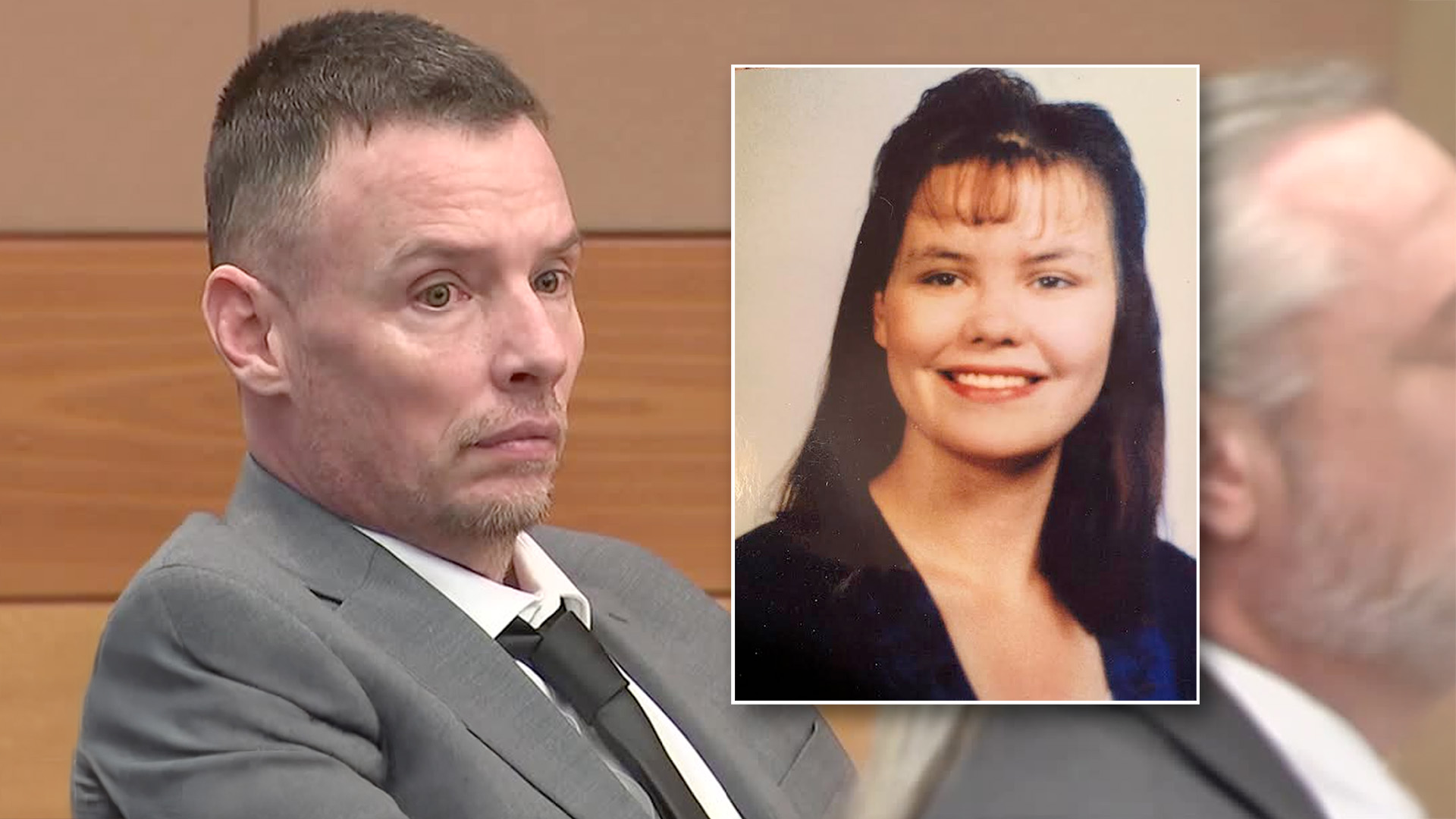
Christopher Wolfenbarger sits at the defense table during his murder trial, where he faced charges in the 1998 death of his wife, Melissa Wolfenbarger (inset).
CourtTV
ATLANTA, GA — A Georgia jury acquitted Christopher Wolfenbarger of murder in the death of his wife, Melissa Wolfenbarger, whose severed remains were found in trash bags more than two decades ago. The jury’s verdict followed a lengthy trial that scrutinized a cold case with deep ties to one of Georgia’s most notorious serial killers.
Melissa, who vanished in late 1998, was the daughter of Carl Patton, the convicted Flint River Killer. Her skull and limbs were found in April and June 1999 but went unidentified until 2003. According to investigators, the remains were discovered near her husband’s workplace.
Wolfenbarger was arrested in August 2024 and charged with murder and felony murder. Prosecutors alleged he killed Melissa after she filed for a temporary protective order and made plans to leave him. During closing arguments, Fulton County Deputy District Attorney Vincent Faucett told jurors that Melissa had been “manipulated, intimidated, coerced and abused.” He emphasized that Melissa “deserved the opportunity to live her life” even if it meant leaving Christopher.
Despite the graphic nature of the case, prosecutors could not present direct physical evidence tying Wolfenbarger to the murder. Defense attorney Joel McDurmon focused on this, highlighting a lack of DNA, fingerprints or weapon and arguing that the state built its case on circumstantial details.
The defense introduced alternative theories for Melissa’s death, including drug overdose, abortion complications, or efforts to frame the defendant. McDurmon acknowledged evidence of domestic violence but emphasized that “this is a murder trial,” challenging the prosecution’s ability to prove that a homicide even occurred.
Medical examiner Dr. Carol Terry testified that the cause and manner of death could not be determined because of decomposition and missing body parts. While concealment and dismemberment raised suspicions, she confirmed the cuts were made after death and that no conclusive signs of homicide, such as strangulation or stabbing, could be identified.
Melissa’s childhood friend, Wendy Waddell, testified about abuse in Melissa’s early home life, including being locked in her bedroom with reversed locks. She admitted to currently using heroin and experiencing withdrawal symptoms while on the stand. Other witnesses included neighbors, Melissa’s former coworkers and relatives, including her son, Joey, and daughter, Christina, who had been raised by Christopher’s family and only later learned Melissa was her biological mother.
Testimony from multiple family members painted a picture of longstanding dysfunction. Melissa’s mother, Norma Patton, testified that she believed Chris was dangerous, citing past abuse and her own efforts to separate the couple before Melissa became pregnant. Norma admitted to assisting her husband, Carl Patton, in disposing of murder victims and accepted immunity to testify against him.
The jury heard from expert witnesses on domestic violence and forensic pathology, but the trial ultimately turned on whether the state had cleared the high bar of proving Christopher’s guilt beyond a reasonable doubt.
After the defense rested and no new forensic evidence was presented, jurors returned a not guilty verdict, ending a case that remains unresolved after 26 years.
Presumption of Innocence: A presumption of innocence means that any defendant in a criminal trial is presumed to be innocent until they have been proven guilty beyond a reasonable doubt in a court of law. The defendant in this case is only accused of the charges set forth in the criminal complaint. They are innocent until proven guilty.
Editor Picks





Latest Articles



Christopher Wolfenbarger Acquitted in 1998 Murder of Wife Melissa Wolfenbarger
After decades of suspicion and a dramatic trial, Christopher Wolfenbarger was found not guilty in the 1998 dismemberment murder of his wife Melissa, daughter of the infamous Flint River Killer.
By Gavin Fish
Published: August 22, 2025 10:00 am ET
Christopher Wolfenbarger sits at the defense table during his murder trial, where he faced charges in the 1998 death of his wife, Melissa Wolfenbarger (inset).
CourtTV
ATLANTA, GA — A Georgia jury acquitted Christopher Wolfenbarger of murder in the death of his wife, Melissa Wolfenbarger, whose severed remains were found in trash bags more than two decades ago. The jury’s verdict followed a lengthy trial that scrutinized a cold case with deep ties to one of Georgia’s most notorious serial killers.
Melissa, who vanished in late 1998, was the daughter of Carl Patton, the convicted Flint River Killer. Her skull and limbs were found in April and June 1999 but went unidentified until 2003. According to investigators, the remains were discovered near her husband’s workplace.
Wolfenbarger was arrested in August 2024 and charged with murder and felony murder. Prosecutors alleged he killed Melissa after she filed for a temporary protective order and made plans to leave him. During closing arguments, Fulton County Deputy District Attorney Vincent Faucett told jurors that Melissa had been “manipulated, intimidated, coerced and abused.” He emphasized that Melissa “deserved the opportunity to live her life” even if it meant leaving Christopher.
Despite the graphic nature of the case, prosecutors could not present direct physical evidence tying Wolfenbarger to the murder. Defense attorney Joel McDurmon focused on this, highlighting a lack of DNA, fingerprints or weapon and arguing that the state built its case on circumstantial details.
The defense introduced alternative theories for Melissa’s death, including drug overdose, abortion complications, or efforts to frame the defendant. McDurmon acknowledged evidence of domestic violence but emphasized that “this is a murder trial,” challenging the prosecution’s ability to prove that a homicide even occurred.
Medical examiner Dr. Carol Terry testified that the cause and manner of death could not be determined because of decomposition and missing body parts. While concealment and dismemberment raised suspicions, she confirmed the cuts were made after death and that no conclusive signs of homicide, such as strangulation or stabbing, could be identified.
Melissa’s childhood friend, Wendy Waddell, testified about abuse in Melissa’s early home life, including being locked in her bedroom with reversed locks. She admitted to currently using heroin and experiencing withdrawal symptoms while on the stand. Other witnesses included neighbors, Melissa’s former coworkers and relatives, including her son, Joey, and daughter, Christina, who had been raised by Christopher’s family and only later learned Melissa was her biological mother.
Testimony from multiple family members painted a picture of longstanding dysfunction. Melissa’s mother, Norma Patton, testified that she believed Chris was dangerous, citing past abuse and her own efforts to separate the couple before Melissa became pregnant. Norma admitted to assisting her husband, Carl Patton, in disposing of murder victims and accepted immunity to testify against him.
The jury heard from expert witnesses on domestic violence and forensic pathology, but the trial ultimately turned on whether the state had cleared the high bar of proving Christopher’s guilt beyond a reasonable doubt.
After the defense rested and no new forensic evidence was presented, jurors returned a not guilty verdict, ending a case that remains unresolved after 26 years.
Presumption of Innocence: A presumption of innocence means that any defendant in a criminal trial is presumed to be innocent until they have been proven guilty beyond a reasonable doubt in a court of law. The defendant in this case is only accused of the charges set forth in the criminal complaint. They are innocent until proven guilty.
Editor's Note: ThePo makes every effort to accurately transcribe the contents of affidavits of probable cause contained in criminal complaints. Often, the complaints themselves are copies of copies of faxed copies, and are difficult to read. To confirm the accuracy of our transcription, contact the Magisterial District Court listed above and request a copy of the criminal complaint. It's a public record to which you are entitled.
Must Read
Editor Picks
Latest Articles
Christopher Wolfenbarger Acquitted in 1998 Murder of Wife Melissa Wolfenbarger
After decades of suspicion and a dramatic trial, Christopher Wolfenbarger was found not guilty in the 1998 dismemberment murder of his wife Melissa, daughter of the infamous Flint River Killer.
By Gavin Fish
Published: August 22, 2025 10:00 am ET
Christopher Wolfenbarger sits at the defense table during his murder trial, where he faced charges in the 1998 death of his wife, Melissa Wolfenbarger (inset).
CourtTV
ATLANTA, GA — A Georgia jury acquitted Christopher Wolfenbarger of murder in the death of his wife, Melissa Wolfenbarger, whose severed remains were found in trash bags more than two decades ago. The jury’s verdict followed a lengthy trial that scrutinized a cold case with deep ties to one of Georgia’s most notorious serial killers.
Melissa, who vanished in late 1998, was the daughter of Carl Patton, the convicted Flint River Killer. Her skull and limbs were found in April and June 1999 but went unidentified until 2003. According to investigators, the remains were discovered near her husband’s workplace.
Wolfenbarger was arrested in August 2024 and charged with murder and felony murder. Prosecutors alleged he killed Melissa after she filed for a temporary protective order and made plans to leave him. During closing arguments, Fulton County Deputy District Attorney Vincent Faucett told jurors that Melissa had been “manipulated, intimidated, coerced and abused.” He emphasized that Melissa “deserved the opportunity to live her life” even if it meant leaving Christopher.
Despite the graphic nature of the case, prosecutors could not present direct physical evidence tying Wolfenbarger to the murder. Defense attorney Joel McDurmon focused on this, highlighting a lack of DNA, fingerprints or weapon and arguing that the state built its case on circumstantial details.
The defense introduced alternative theories for Melissa’s death, including drug overdose, abortion complications, or efforts to frame the defendant. McDurmon acknowledged evidence of domestic violence but emphasized that “this is a murder trial,” challenging the prosecution’s ability to prove that a homicide even occurred.
Medical examiner Dr. Carol Terry testified that the cause and manner of death could not be determined because of decomposition and missing body parts. While concealment and dismemberment raised suspicions, she confirmed the cuts were made after death and that no conclusive signs of homicide, such as strangulation or stabbing, could be identified.
Melissa’s childhood friend, Wendy Waddell, testified about abuse in Melissa’s early home life, including being locked in her bedroom with reversed locks. She admitted to currently using heroin and experiencing withdrawal symptoms while on the stand. Other witnesses included neighbors, Melissa’s former coworkers and relatives, including her son, Joey, and daughter, Christina, who had been raised by Christopher’s family and only later learned Melissa was her biological mother.
Testimony from multiple family members painted a picture of longstanding dysfunction. Melissa’s mother, Norma Patton, testified that she believed Chris was dangerous, citing past abuse and her own efforts to separate the couple before Melissa became pregnant. Norma admitted to assisting her husband, Carl Patton, in disposing of murder victims and accepted immunity to testify against him.
The jury heard from expert witnesses on domestic violence and forensic pathology, but the trial ultimately turned on whether the state had cleared the high bar of proving Christopher’s guilt beyond a reasonable doubt.
After the defense rested and no new forensic evidence was presented, jurors returned a not guilty verdict, ending a case that remains unresolved after 26 years.
Presumption of Innocence: A presumption of innocence means that any defendant in a criminal trial is presumed to be innocent until they have been proven guilty beyond a reasonable doubt in a court of law. The defendant in this case is only accused of the charges set forth in the criminal complaint. They are innocent until proven guilty.
Editor's Note: ThePo makes every effort to accurately transcribe the contents of affidavits of probable cause contained in criminal complaints. Often, the complaints themselves are copies of copies of faxed copies, and are difficult to read. To confirm the accuracy of our transcription, contact the Magisterial District Court listed above and request a copy of the criminal complaint. It's a public record to which you are entitled.
Must Read
