

Topline: The brothers’ long-awaited shot at freedom unraveled amid leaked audio, legal protests, and tense exchanges with the parole board.
Published: August 25, 2025 4:30 pm ET

Must Read
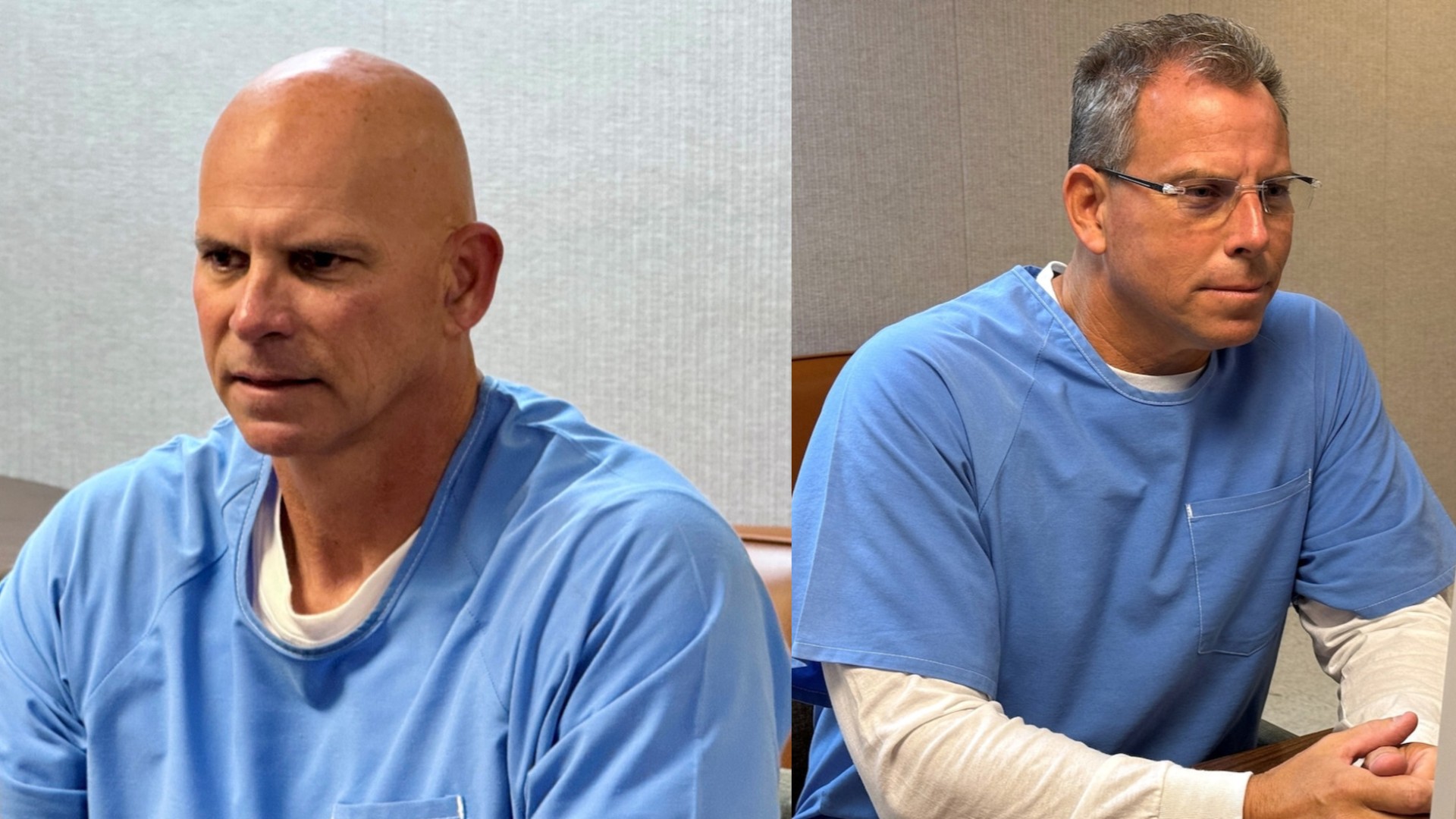
Lyle Menendez, left, and Erik Menendez attend their respective parole hearings virtually. (via California Department of Corrections and Rehabilitation)
SACRAMENTO, CA — Three decades after the brutal murders that gripped the country, Lyle and Erik Menendez were denied parole in separate hearings this week, bringing an emotionally charged chapter of California’s criminal justice saga to yet another standstill.
The brothers, convicted in the 1989 shotgun killings of their parents José and Kitty Menendez in their Beverly Hills home, remain incarcerated, though new legal avenues remain open.
The hearings were meant to be strictly controlled—no audio released, no public updates until decisions were rendered. But the process unraveled almost as soon as it began.
According to The Los Angeles Times, Erik Menendez’s Thursday hearing was upended the following day when TV station ABC7 published an audio recording of the proceeding—an apparent breach of protocol that state corrections officials confirmed was released “erroneously” via a public records request. The fallout spilled over into Lyle Menendez’s hearing on Friday, as frustration erupted among family members and attorneys.
“This is disgusting,” Tiffani Lucero Pastor, a relative of the brothers, shouted at the parole board after learning of the leak. “You’ve misled the family, and now to compound matters, you’ve violated this family and their rights.”
Attorney Heidi Rummel, who represents both brothers, called for an adjournment, arguing the breach compromised the fairness of the hearing. “We are sitting here asking Mr. Menendez to follow rules,” she told the board. “And in the middle of this hearing, we find out CDCR is not following its own rules. It’s outrageous.”
Despite the disruptions, the two-member parole board moved forward, ultimately denying parole to both brothers. Friday’s decision against Lyle followed an 11-hour virtual hearing in which he spoke at length about his history, prison conduct, and the trauma he said shaped his life.
“We find your remorse is genuine,” Parole Commissioner Julie Garland told Lyle. “In many ways, you look like you’ve been a model inmate.” But she added that “deception, minimization, and rule breaking” continued to undercut his progress. “Don’t be somebody different behind closed doors,” she warned.
CNN reported that while both brothers will be eligible to petition again in three years, they may be considered for a second hearing earlier—possibly in as little as 18 months. Gov. Gavin Newsom also holds the rare power to reverse the decision, and clemency petitions remain under review.
Lyle, now 57, addressed the board with visible emotion. “My life has been defined by extreme violence,” he said. “I wanted to be defined by something else.” Reflecting on the murders, he added, “My Mom and Dad did not have to die that day. I’m profoundly sorry for who I was.”
Throughout the day, Lyle shared painful memories of childhood abuse. According to reporting by CNN, he alleged both parents sexually abused him—allegations that were dismissed by prosecutors in the original trials but have resurfaced in recent years as understanding of childhood trauma has evolved. Lyle described the abuse by his mother, which occurred when he was 13, as something he didn’t recognize as abusive at the time. “Today, I see it as sexual abuse,” he said.
These claims were not included in his risk assessment, raising questions from Commissioner Garland about why they were not disclosed during psychological evaluations. Lyle responded that the doctors “didn’t ask,” and so he “didn’t volunteer.”
The hearing also scrutinized Lyle’s conduct while incarcerated. According to KNBC-TV and CNN, parole commissioners pressed him on repeated violations, including contraband cellphone use and attempts to manipulate prison resources. Lyle acknowledged the infractions, saying he was trying to preserve private communication with family after previous conversations had been leaked to the media. “At the time, I didn’t feel that using the phone was inconsistent with that,” he said of his otherwise law-abiding reputation in prison.
Los Angeles County District Attorney Nathan Hochman welcomed the denials. As he told NBC Los Angeles, “If you can’t go ahead and comply inside the prison with the rules, then (the board wasn’t) willing to trust him to be outside the prison in an unstructured environment.”
Hochman, who reversed the position of his predecessor George Gascón, has been critical of what he describes as the brothers’ continued minimization of their crime. In a statement Friday, he accused them of clinging to a “fabricated self-defense story” and enlisting others to support “false claims.”
Despite this, support for the brothers was strong among many family members. During the hearing, Anamaria Baralt, a cousin, pleaded for mercy. “I am begging you, commissioners … make this torture end. This 36-year nightmare, let us put it behind us.”
Several others, including Marta Cano Hallowell—speaking on behalf of her mother, the sister of José Menendez—urged the board to release Lyle. “I just hope that Lyle, and his brother Erik, get released from prison before I die,” Cano said in her written statement.
Lyle’s romantic life also briefly entered the hearing record. As KNBC-TV noted, Commissioner Garland asked about his marriage to Rebecca Sneed, which is reportedly ending. Lyle confirmed their separation and said he is now romantically corresponding with three women. He referred to Sneed, whom he married in 2003, as his “biggest supporter.”
While the board focused primarily on behavior and psychological evaluation, family dynamics and emotional testimony clearly left their mark. “It’s the anniversary of a crushing day for so many in my family,” Lyle said Friday, referencing the August 20 anniversary of the murders. “Despite all of this, they are still here, showing up for me … and I will never deserve it.”
Following the hearing, the brothers’ family released a joint statement expressing disappointment but reaffirming their commitment. “This is not the end of the road,” the statement read. “We know they are good men who have done the work to rehabilitate and are remorseful. We love them unconditionally and will continue to stand by them on the journey ahead.”
Presumption of Innocence: A presumption of innocence means that any defendant in a criminal trial is presumed to be innocent until they have been proven guilty beyond a reasonable doubt in a court of law. The defendant in this case is only accused of the charges set forth in the criminal complaint. They are innocent until proven guilty.
Editor Picks





Latest Articles




Parole Denied for the Menendez Brothers: What Really Happened Behind Closed Doors
The brothers’ long-awaited shot at freedom unraveled amid leaked audio, legal protests, and tense exchanges with the parole board.
By Jacob Charles
Published: August 25, 2025 4:30 pm ET
Lyle Menendez, left, and Erik Menendez attend their respective parole hearings virtually. (via California Department of Corrections and Rehabilitation)
SACRAMENTO, CA — Three decades after the brutal murders that gripped the country, Lyle and Erik Menendez were denied parole in separate hearings this week, bringing an emotionally charged chapter of California’s criminal justice saga to yet another standstill.
The brothers, convicted in the 1989 shotgun killings of their parents José and Kitty Menendez in their Beverly Hills home, remain incarcerated, though new legal avenues remain open.
The hearings were meant to be strictly controlled—no audio released, no public updates until decisions were rendered. But the process unraveled almost as soon as it began.
According to The Los Angeles Times, Erik Menendez’s Thursday hearing was upended the following day when TV station ABC7 published an audio recording of the proceeding—an apparent breach of protocol that state corrections officials confirmed was released “erroneously” via a public records request. The fallout spilled over into Lyle Menendez’s hearing on Friday, as frustration erupted among family members and attorneys.
“This is disgusting,” Tiffani Lucero Pastor, a relative of the brothers, shouted at the parole board after learning of the leak. “You’ve misled the family, and now to compound matters, you’ve violated this family and their rights.”
Attorney Heidi Rummel, who represents both brothers, called for an adjournment, arguing the breach compromised the fairness of the hearing. “We are sitting here asking Mr. Menendez to follow rules,” she told the board. “And in the middle of this hearing, we find out CDCR is not following its own rules. It’s outrageous.”
Despite the disruptions, the two-member parole board moved forward, ultimately denying parole to both brothers. Friday’s decision against Lyle followed an 11-hour virtual hearing in which he spoke at length about his history, prison conduct, and the trauma he said shaped his life.
“We find your remorse is genuine,” Parole Commissioner Julie Garland told Lyle. “In many ways, you look like you’ve been a model inmate.” But she added that “deception, minimization, and rule breaking” continued to undercut his progress. “Don’t be somebody different behind closed doors,” she warned.
CNN reported that while both brothers will be eligible to petition again in three years, they may be considered for a second hearing earlier—possibly in as little as 18 months. Gov. Gavin Newsom also holds the rare power to reverse the decision, and clemency petitions remain under review.
Lyle, now 57, addressed the board with visible emotion. “My life has been defined by extreme violence,” he said. “I wanted to be defined by something else.” Reflecting on the murders, he added, “My Mom and Dad did not have to die that day. I’m profoundly sorry for who I was.”
Throughout the day, Lyle shared painful memories of childhood abuse. According to reporting by CNN, he alleged both parents sexually abused him—allegations that were dismissed by prosecutors in the original trials but have resurfaced in recent years as understanding of childhood trauma has evolved. Lyle described the abuse by his mother, which occurred when he was 13, as something he didn’t recognize as abusive at the time. “Today, I see it as sexual abuse,” he said.
These claims were not included in his risk assessment, raising questions from Commissioner Garland about why they were not disclosed during psychological evaluations. Lyle responded that the doctors “didn’t ask,” and so he “didn’t volunteer.”
The hearing also scrutinized Lyle’s conduct while incarcerated. According to KNBC-TV and CNN, parole commissioners pressed him on repeated violations, including contraband cellphone use and attempts to manipulate prison resources. Lyle acknowledged the infractions, saying he was trying to preserve private communication with family after previous conversations had been leaked to the media. “At the time, I didn’t feel that using the phone was inconsistent with that,” he said of his otherwise law-abiding reputation in prison.
Los Angeles County District Attorney Nathan Hochman welcomed the denials. As he told NBC Los Angeles, “If you can’t go ahead and comply inside the prison with the rules, then (the board wasn’t) willing to trust him to be outside the prison in an unstructured environment.”
Hochman, who reversed the position of his predecessor George Gascón, has been critical of what he describes as the brothers’ continued minimization of their crime. In a statement Friday, he accused them of clinging to a “fabricated self-defense story” and enlisting others to support “false claims.”
Despite this, support for the brothers was strong among many family members. During the hearing, Anamaria Baralt, a cousin, pleaded for mercy. “I am begging you, commissioners … make this torture end. This 36-year nightmare, let us put it behind us.”
Several others, including Marta Cano Hallowell—speaking on behalf of her mother, the sister of José Menendez—urged the board to release Lyle. “I just hope that Lyle, and his brother Erik, get released from prison before I die,” Cano said in her written statement.
Lyle’s romantic life also briefly entered the hearing record. As KNBC-TV noted, Commissioner Garland asked about his marriage to Rebecca Sneed, which is reportedly ending. Lyle confirmed their separation and said he is now romantically corresponding with three women. He referred to Sneed, whom he married in 2003, as his “biggest supporter.”
While the board focused primarily on behavior and psychological evaluation, family dynamics and emotional testimony clearly left their mark. “It’s the anniversary of a crushing day for so many in my family,” Lyle said Friday, referencing the August 20 anniversary of the murders. “Despite all of this, they are still here, showing up for me … and I will never deserve it.”
Following the hearing, the brothers’ family released a joint statement expressing disappointment but reaffirming their commitment. “This is not the end of the road,” the statement read. “We know they are good men who have done the work to rehabilitate and are remorseful. We love them unconditionally and will continue to stand by them on the journey ahead.”
Presumption of Innocence: A presumption of innocence means that any defendant in a criminal trial is presumed to be innocent until they have been proven guilty beyond a reasonable doubt in a court of law. The defendant in this case is only accused of the charges set forth in the criminal complaint. They are innocent until proven guilty.
Editor's Note: ThePo makes every effort to accurately transcribe the contents of affidavits of probable cause contained in criminal complaints. Often, the complaints themselves are copies of copies of faxed copies, and are difficult to read. To confirm the accuracy of our transcription, contact the Magisterial District Court listed above and request a copy of the criminal complaint. It's a public record to which you are entitled.
Must Read
Editor Picks
Latest Articles
Parole Denied for the Menendez Brothers: What Really Happened Behind Closed Doors
The brothers’ long-awaited shot at freedom unraveled amid leaked audio, legal protests, and tense exchanges with the parole board.
By Jacob Charles
Published: August 25, 2025 4:30 pm ET
Lyle Menendez, left, and Erik Menendez attend their respective parole hearings virtually. (via California Department of Corrections and Rehabilitation)
SACRAMENTO, CA — Three decades after the brutal murders that gripped the country, Lyle and Erik Menendez were denied parole in separate hearings this week, bringing an emotionally charged chapter of California’s criminal justice saga to yet another standstill.
The brothers, convicted in the 1989 shotgun killings of their parents José and Kitty Menendez in their Beverly Hills home, remain incarcerated, though new legal avenues remain open.
The hearings were meant to be strictly controlled—no audio released, no public updates until decisions were rendered. But the process unraveled almost as soon as it began.
According to The Los Angeles Times, Erik Menendez’s Thursday hearing was upended the following day when TV station ABC7 published an audio recording of the proceeding—an apparent breach of protocol that state corrections officials confirmed was released “erroneously” via a public records request. The fallout spilled over into Lyle Menendez’s hearing on Friday, as frustration erupted among family members and attorneys.
“This is disgusting,” Tiffani Lucero Pastor, a relative of the brothers, shouted at the parole board after learning of the leak. “You’ve misled the family, and now to compound matters, you’ve violated this family and their rights.”
Attorney Heidi Rummel, who represents both brothers, called for an adjournment, arguing the breach compromised the fairness of the hearing. “We are sitting here asking Mr. Menendez to follow rules,” she told the board. “And in the middle of this hearing, we find out CDCR is not following its own rules. It’s outrageous.”
Despite the disruptions, the two-member parole board moved forward, ultimately denying parole to both brothers. Friday’s decision against Lyle followed an 11-hour virtual hearing in which he spoke at length about his history, prison conduct, and the trauma he said shaped his life.
“We find your remorse is genuine,” Parole Commissioner Julie Garland told Lyle. “In many ways, you look like you’ve been a model inmate.” But she added that “deception, minimization, and rule breaking” continued to undercut his progress. “Don’t be somebody different behind closed doors,” she warned.
CNN reported that while both brothers will be eligible to petition again in three years, they may be considered for a second hearing earlier—possibly in as little as 18 months. Gov. Gavin Newsom also holds the rare power to reverse the decision, and clemency petitions remain under review.
Lyle, now 57, addressed the board with visible emotion. “My life has been defined by extreme violence,” he said. “I wanted to be defined by something else.” Reflecting on the murders, he added, “My Mom and Dad did not have to die that day. I’m profoundly sorry for who I was.”
Throughout the day, Lyle shared painful memories of childhood abuse. According to reporting by CNN, he alleged both parents sexually abused him—allegations that were dismissed by prosecutors in the original trials but have resurfaced in recent years as understanding of childhood trauma has evolved. Lyle described the abuse by his mother, which occurred when he was 13, as something he didn’t recognize as abusive at the time. “Today, I see it as sexual abuse,” he said.
These claims were not included in his risk assessment, raising questions from Commissioner Garland about why they were not disclosed during psychological evaluations. Lyle responded that the doctors “didn’t ask,” and so he “didn’t volunteer.”
The hearing also scrutinized Lyle’s conduct while incarcerated. According to KNBC-TV and CNN, parole commissioners pressed him on repeated violations, including contraband cellphone use and attempts to manipulate prison resources. Lyle acknowledged the infractions, saying he was trying to preserve private communication with family after previous conversations had been leaked to the media. “At the time, I didn’t feel that using the phone was inconsistent with that,” he said of his otherwise law-abiding reputation in prison.
Los Angeles County District Attorney Nathan Hochman welcomed the denials. As he told NBC Los Angeles, “If you can’t go ahead and comply inside the prison with the rules, then (the board wasn’t) willing to trust him to be outside the prison in an unstructured environment.”
Hochman, who reversed the position of his predecessor George Gascón, has been critical of what he describes as the brothers’ continued minimization of their crime. In a statement Friday, he accused them of clinging to a “fabricated self-defense story” and enlisting others to support “false claims.”
Despite this, support for the brothers was strong among many family members. During the hearing, Anamaria Baralt, a cousin, pleaded for mercy. “I am begging you, commissioners … make this torture end. This 36-year nightmare, let us put it behind us.”
Several others, including Marta Cano Hallowell—speaking on behalf of her mother, the sister of José Menendez—urged the board to release Lyle. “I just hope that Lyle, and his brother Erik, get released from prison before I die,” Cano said in her written statement.
Lyle’s romantic life also briefly entered the hearing record. As KNBC-TV noted, Commissioner Garland asked about his marriage to Rebecca Sneed, which is reportedly ending. Lyle confirmed their separation and said he is now romantically corresponding with three women. He referred to Sneed, whom he married in 2003, as his “biggest supporter.”
While the board focused primarily on behavior and psychological evaluation, family dynamics and emotional testimony clearly left their mark. “It’s the anniversary of a crushing day for so many in my family,” Lyle said Friday, referencing the August 20 anniversary of the murders. “Despite all of this, they are still here, showing up for me … and I will never deserve it.”
Following the hearing, the brothers’ family released a joint statement expressing disappointment but reaffirming their commitment. “This is not the end of the road,” the statement read. “We know they are good men who have done the work to rehabilitate and are remorseful. We love them unconditionally and will continue to stand by them on the journey ahead.”
Presumption of Innocence: A presumption of innocence means that any defendant in a criminal trial is presumed to be innocent until they have been proven guilty beyond a reasonable doubt in a court of law. The defendant in this case is only accused of the charges set forth in the criminal complaint. They are innocent until proven guilty.
Editor's Note: ThePo makes every effort to accurately transcribe the contents of affidavits of probable cause contained in criminal complaints. Often, the complaints themselves are copies of copies of faxed copies, and are difficult to read. To confirm the accuracy of our transcription, contact the Magisterial District Court listed above and request a copy of the criminal complaint. It's a public record to which you are entitled.
Must Read
