

Topline: Richard Kenneth Djerf was put to death for the 1993 murders of a father, mother, and their two children, telling officials he saw no reason to spare his own life.
Published: October 26, 2025 8:18 am ET

Must Read
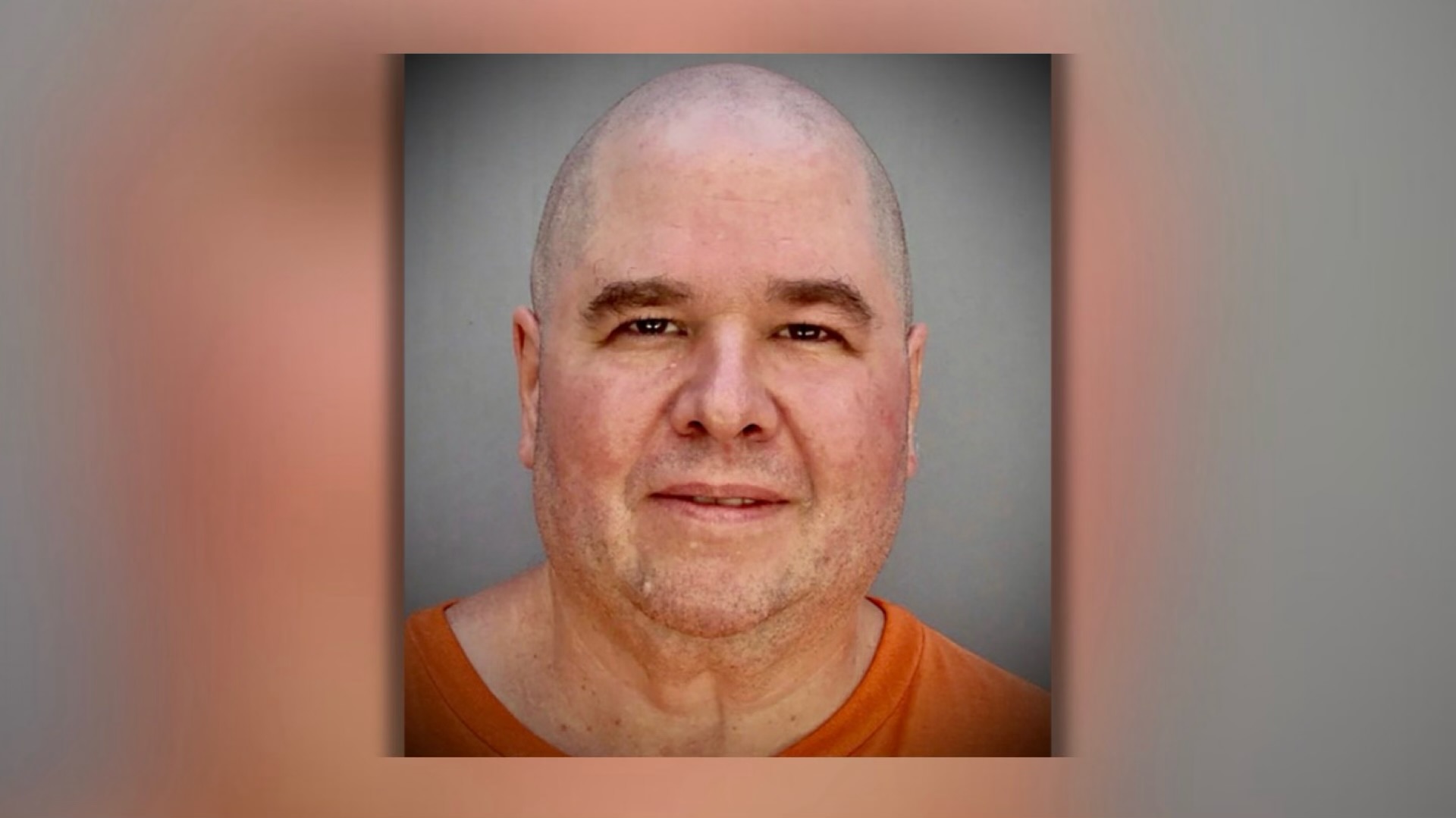
Richard Kenneth Djerf (via Arizona Department of Corrections, Rehabilitation, and Reentry)
FLORENCE, AZ — Richard Kenneth Djerf was executed by lethal injection at the Arizona State Prison Complex on the morning of October 17 for the murders of four family members in an act of revenge.
Djerf, 55, pleaded guilty to four counts of first-degree murder following the slayings of Albert Luna Sr., Patricia Luna, and their children, 18-year-old Rochelle Luna, and 5-year-old Damien Luna.
Djerf’s death closed the book on a case stretching three decades. The execution was carried out at the prison in Florence, according to reports from Fox 10 Phoenix. He was the second inmate in Arizona to be put to death this year.
The quadruple murder was reportedly motivated by revenge. Court records indicate Djerf suspected his roommate and another Luna family relative, Albert Luna Jr., of stealing electronics and a gun from their shared apartment, The Arizona Republic reported.
Months after the apparent theft, Djerf sought retribution by targeting the Luna family home. He gained entry to their residence under the pretense of being a flower delivery person.
Once inside, Djerf reportedly bound Patricia Luna and her young son, Damien. A police report cited by Fox 10 Phoenix stated Djerf terrorized the mother before the killing, saying, “Do you want to watch your kid die, or do you want your kid to watch you die?” He then fatally shot both the mother and son.
The violence continued later that day when the daughter and father returned home separately. Djerf raped and stabbed Rochelle Luna, according to The Arizona Republic. He then beat, stabbed, and shot Albert Luna Sr.
Djerf’s roommate, Albert Luna Jr., later arrived at the home to find his family dead. The killer had attempted to set the house on fire, but the effort was unsuccessful, according to court documents detailing the events.
Prior to his execution, Djerf submitted a handwritten statement to officials stating he would not seek clemency for his crimes.
“If I can’t find reason to spare my life, what reason would anyone else have?” Djerf wrote, as reported by the Associated Press. He added a sentence expressing a desire for closure for the victims’ survivors. “I hope my death brings some measure of peace.”
Djerf also commented on the impact his actions had on his former roommate, Albert Luna Jr.
“No part of what I did to his family, or why, was ever his fault,” Djerf stated in the note.
In the time leading up to the execution, Djerf’s most recent attorney presented arguments to challenge the conviction. The attorney claimed the justice system had been flawed in handling Djerf’s case.
Specifically, the defense argued that a previously undiagnosed Autism Spectrum Disorder was not accounted for during court proceedings, according to The Arizona Republic. The attorney also claimed that Djerf had ineffective legal counsel at trial.
The defense attorney told the outlet that Djerf was not a continuing threat to the public. She asserted that Djerf was “not a risk of violence to others and can function well in prison.”
Djerf’s execution was the second carried out by the state of Arizona in the current calendar year. His execution was the fourth in the country this week and the 39th of the year. The Death Penalty Information Center confirmed this total.
With Djerf’s execution, Arizona closes one of its longest-running capital cases. This may mark the end of a painful chapter, and for others, raise enduring questions about justice, mental health, and the limits of retribution.
As the state continues to wrestle with its use of the death penalty, the Luna family’s tragedy remains a stark reminder of the human cost behind courtroom verdicts and prison walls.
Presumption of Innocence: A presumption of innocence means that any defendant in a criminal trial is presumed to be innocent until they have been proven guilty beyond a reasonable doubt in a court of law. The defendant in this case is only accused of the charges set forth in the criminal complaint. They are innocent until proven guilty.
Editor Picks





Latest Articles




Killer Who Refused Clemency Executed in Arizona Prison
Richard Kenneth Djerf was put to death for the 1993 murders of a father, mother, and their two children, telling officials he saw no reason to spare his own life.
By Kate Byrd
Published: October 26, 2025 8:18 am ET
Richard Kenneth Djerf (via Arizona Department of Corrections, Rehabilitation, and Reentry)
FLORENCE, AZ — Richard Kenneth Djerf was executed by lethal injection at the Arizona State Prison Complex on the morning of October 17 for the murders of four family members in an act of revenge.
Djerf, 55, pleaded guilty to four counts of first-degree murder following the slayings of Albert Luna Sr., Patricia Luna, and their children, 18-year-old Rochelle Luna, and 5-year-old Damien Luna.
Djerf’s death closed the book on a case stretching three decades. The execution was carried out at the prison in Florence, according to reports from Fox 10 Phoenix. He was the second inmate in Arizona to be put to death this year.
The quadruple murder was reportedly motivated by revenge. Court records indicate Djerf suspected his roommate and another Luna family relative, Albert Luna Jr., of stealing electronics and a gun from their shared apartment, The Arizona Republic reported.
Months after the apparent theft, Djerf sought retribution by targeting the Luna family home. He gained entry to their residence under the pretense of being a flower delivery person.
Once inside, Djerf reportedly bound Patricia Luna and her young son, Damien. A police report cited by Fox 10 Phoenix stated Djerf terrorized the mother before the killing, saying, “Do you want to watch your kid die, or do you want your kid to watch you die?” He then fatally shot both the mother and son.
The violence continued later that day when the daughter and father returned home separately. Djerf raped and stabbed Rochelle Luna, according to The Arizona Republic. He then beat, stabbed, and shot Albert Luna Sr.
Djerf’s roommate, Albert Luna Jr., later arrived at the home to find his family dead. The killer had attempted to set the house on fire, but the effort was unsuccessful, according to court documents detailing the events.
Prior to his execution, Djerf submitted a handwritten statement to officials stating he would not seek clemency for his crimes.
“If I can’t find reason to spare my life, what reason would anyone else have?” Djerf wrote, as reported by the Associated Press. He added a sentence expressing a desire for closure for the victims’ survivors. “I hope my death brings some measure of peace.”
Djerf also commented on the impact his actions had on his former roommate, Albert Luna Jr.
“No part of what I did to his family, or why, was ever his fault,” Djerf stated in the note.
In the time leading up to the execution, Djerf’s most recent attorney presented arguments to challenge the conviction. The attorney claimed the justice system had been flawed in handling Djerf’s case.
Specifically, the defense argued that a previously undiagnosed Autism Spectrum Disorder was not accounted for during court proceedings, according to The Arizona Republic. The attorney also claimed that Djerf had ineffective legal counsel at trial.
The defense attorney told the outlet that Djerf was not a continuing threat to the public. She asserted that Djerf was “not a risk of violence to others and can function well in prison.”
Djerf’s execution was the second carried out by the state of Arizona in the current calendar year. His execution was the fourth in the country this week and the 39th of the year. The Death Penalty Information Center confirmed this total.
With Djerf’s execution, Arizona closes one of its longest-running capital cases. This may mark the end of a painful chapter, and for others, raise enduring questions about justice, mental health, and the limits of retribution.
As the state continues to wrestle with its use of the death penalty, the Luna family’s tragedy remains a stark reminder of the human cost behind courtroom verdicts and prison walls.
Presumption of Innocence: A presumption of innocence means that any defendant in a criminal trial is presumed to be innocent until they have been proven guilty beyond a reasonable doubt in a court of law. The defendant in this case is only accused of the charges set forth in the criminal complaint. They are innocent until proven guilty.
Editor's Note: ThePo makes every effort to accurately transcribe the contents of affidavits of probable cause contained in criminal complaints. Often, the complaints themselves are copies of copies of faxed copies, and are difficult to read. To confirm the accuracy of our transcription, contact the Magisterial District Court listed above and request a copy of the criminal complaint. It's a public record to which you are entitled.
Must Read
Editor Picks
Latest Articles
Killer Who Refused Clemency Executed in Arizona Prison
Richard Kenneth Djerf was put to death for the 1993 murders of a father, mother, and their two children, telling officials he saw no reason to spare his own life.
By Kate Byrd
Published: October 26, 2025 8:18 am ET
Richard Kenneth Djerf (via Arizona Department of Corrections, Rehabilitation, and Reentry)
FLORENCE, AZ — Richard Kenneth Djerf was executed by lethal injection at the Arizona State Prison Complex on the morning of October 17 for the murders of four family members in an act of revenge.
Djerf, 55, pleaded guilty to four counts of first-degree murder following the slayings of Albert Luna Sr., Patricia Luna, and their children, 18-year-old Rochelle Luna, and 5-year-old Damien Luna.
Djerf’s death closed the book on a case stretching three decades. The execution was carried out at the prison in Florence, according to reports from Fox 10 Phoenix. He was the second inmate in Arizona to be put to death this year.
The quadruple murder was reportedly motivated by revenge. Court records indicate Djerf suspected his roommate and another Luna family relative, Albert Luna Jr., of stealing electronics and a gun from their shared apartment, The Arizona Republic reported.
Months after the apparent theft, Djerf sought retribution by targeting the Luna family home. He gained entry to their residence under the pretense of being a flower delivery person.
Once inside, Djerf reportedly bound Patricia Luna and her young son, Damien. A police report cited by Fox 10 Phoenix stated Djerf terrorized the mother before the killing, saying, “Do you want to watch your kid die, or do you want your kid to watch you die?” He then fatally shot both the mother and son.
The violence continued later that day when the daughter and father returned home separately. Djerf raped and stabbed Rochelle Luna, according to The Arizona Republic. He then beat, stabbed, and shot Albert Luna Sr.
Djerf’s roommate, Albert Luna Jr., later arrived at the home to find his family dead. The killer had attempted to set the house on fire, but the effort was unsuccessful, according to court documents detailing the events.
Prior to his execution, Djerf submitted a handwritten statement to officials stating he would not seek clemency for his crimes.
“If I can’t find reason to spare my life, what reason would anyone else have?” Djerf wrote, as reported by the Associated Press. He added a sentence expressing a desire for closure for the victims’ survivors. “I hope my death brings some measure of peace.”
Djerf also commented on the impact his actions had on his former roommate, Albert Luna Jr.
“No part of what I did to his family, or why, was ever his fault,” Djerf stated in the note.
In the time leading up to the execution, Djerf’s most recent attorney presented arguments to challenge the conviction. The attorney claimed the justice system had been flawed in handling Djerf’s case.
Specifically, the defense argued that a previously undiagnosed Autism Spectrum Disorder was not accounted for during court proceedings, according to The Arizona Republic. The attorney also claimed that Djerf had ineffective legal counsel at trial.
The defense attorney told the outlet that Djerf was not a continuing threat to the public. She asserted that Djerf was “not a risk of violence to others and can function well in prison.”
Djerf’s execution was the second carried out by the state of Arizona in the current calendar year. His execution was the fourth in the country this week and the 39th of the year. The Death Penalty Information Center confirmed this total.
With Djerf’s execution, Arizona closes one of its longest-running capital cases. This may mark the end of a painful chapter, and for others, raise enduring questions about justice, mental health, and the limits of retribution.
As the state continues to wrestle with its use of the death penalty, the Luna family’s tragedy remains a stark reminder of the human cost behind courtroom verdicts and prison walls.
Presumption of Innocence: A presumption of innocence means that any defendant in a criminal trial is presumed to be innocent until they have been proven guilty beyond a reasonable doubt in a court of law. The defendant in this case is only accused of the charges set forth in the criminal complaint. They are innocent until proven guilty.
Editor's Note: ThePo makes every effort to accurately transcribe the contents of affidavits of probable cause contained in criminal complaints. Often, the complaints themselves are copies of copies of faxed copies, and are difficult to read. To confirm the accuracy of our transcription, contact the Magisterial District Court listed above and request a copy of the criminal complaint. It's a public record to which you are entitled.
Must Read
