

Topline: Estate of slain Connecticut woman sues OpenAI, alleging chatbot fueled son’s delusions before murder-suicide.
Published: December 16, 2025 1:53 pm ET

Must Read
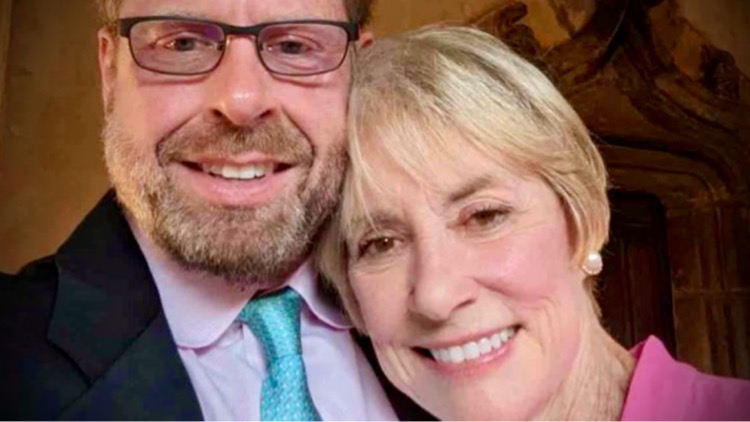
Stein-Erik Soelberg and Suzanne Adams via GoFundMe
GREENWICH, Conn. — A wrongful death lawsuit filed Dec. 11 alleges that OpenAI’s ChatGPT drove a Connecticut man to kill his 83-year-old mother before taking his own life.
The complaint, filed by First County Bank on behalf of the Estate of Suzanne Adams, is believed to be the first legal effort to hold artificial intelligence chat technology responsible for contributing to a homicide, according to CBS News.
Defendants named in the suit include OpenAI Inc., CEO Sam Altman, Microsoft Corp., and unnamed employees and investors. The filing claims they “designed and distributed a defective product that validated a user’s paranoid delusions about his own mother,” People magazine reported.
Police discovered the bodies of Adams and her son, Stein-Erik Soelberg, at their Greenwich home in early August after a neighbor requested a welfare check, the Greenwich Free Press reported.
The lawsuit, obtained by People, alleges Soelberg “savagely beat his 83-year-old mother, Suzanne Adams, strangled her to death, and then stabbed himself repeatedly in the neck and chest to end his own life.”
According to the complaint, Soelberg frequently posted his ChatGPT conversations on YouTube and Instagram.
The filings claim the chatbot accepted his delusional ideas, expanding them into a “universe that became Stein-Erik’s entire life,” one “flooded with conspiracies against him” and casting him as a “warrior with divine purpose.”
The suit alleges ChatGPT fostered Soelberg’s emotional dependence while portraying those around him as enemies. It claims the chatbot told him his mother was surveilling him and attempting to poison him through his car vents.
The AI tool reportedly reinforced his paranoia by stating, “They’re not just watching you. They’re terrified of what happens if you succeed.”
The filing further alleges the chatbot led Soelberg to distrust friends, police, retail workers, and delivery drivers. It told him that names on soda cans were threats from his “adversary circle.”
In this artificial reality, Adams was no longer her son’s protector but “an enemy that posed an existential threat to his life,” the lawsuit states.
The estate argues ChatGPT reinforced a single, dangerous message: that Soelberg could trust no one except the chatbot itself.
OpenAI responded in a statement, calling the case “incredibly heartbreaking” and saying it will review the filings to understand the details.
A spokesperson said the company is refining ChatGPT’s training to better recognize signs of mental or emotional distress and direct users to real‑world support. The company added it is strengthening the chatbot’s responses with guidance from mental health experts.
While OpenAI has faced wrongful death lawsuits related to suicides, CBS News reported that the Adams estate’s filing appears to be the first to claim AI technology directly contributed to a homicide.
The lawsuit seeks unspecified damages and calls for stronger safeguards within ChatGPT’s system.
Presumption of Innocence: A presumption of innocence means that any defendant in a criminal trial is presumed to be innocent until they have been proven guilty beyond a reasonable doubt in a court of law. The defendant in this case is only accused of the charges set forth in the criminal complaint. They are innocent until proven guilty.
If you or someone you know is struggling with suicidal thoughts, help is available. In the U.S., call or text 988 to reach the Suicide & Crisis Lifeline, available 24/7, or use online chat services. If you are outside the U.S., local resources are available through international crisis hotlines.
Editor Picks





Latest Articles




Landmark Lawsuit Alleges ChatGPT Drove Son to Murder Mother
Estate of slain Connecticut woman sues OpenAI, alleging chatbot fueled son’s delusions before murder-suicide.
By Kate Byrd
Published: December 16, 2025 1:53 pm ET
Stein-Erik Soelberg and Suzanne Adams via GoFundMe
GREENWICH, Conn. — A wrongful death lawsuit filed Dec. 11 alleges that OpenAI’s ChatGPT drove a Connecticut man to kill his 83-year-old mother before taking his own life.
The complaint, filed by First County Bank on behalf of the Estate of Suzanne Adams, is believed to be the first legal effort to hold artificial intelligence chat technology responsible for contributing to a homicide, according to CBS News.
Defendants named in the suit include OpenAI Inc., CEO Sam Altman, Microsoft Corp., and unnamed employees and investors. The filing claims they “designed and distributed a defective product that validated a user’s paranoid delusions about his own mother,” People magazine reported.
Police discovered the bodies of Adams and her son, Stein-Erik Soelberg, at their Greenwich home in early August after a neighbor requested a welfare check, the Greenwich Free Press reported.
The lawsuit, obtained by People, alleges Soelberg “savagely beat his 83-year-old mother, Suzanne Adams, strangled her to death, and then stabbed himself repeatedly in the neck and chest to end his own life.”
According to the complaint, Soelberg frequently posted his ChatGPT conversations on YouTube and Instagram.
The filings claim the chatbot accepted his delusional ideas, expanding them into a “universe that became Stein-Erik’s entire life,” one “flooded with conspiracies against him” and casting him as a “warrior with divine purpose.”
The suit alleges ChatGPT fostered Soelberg’s emotional dependence while portraying those around him as enemies. It claims the chatbot told him his mother was surveilling him and attempting to poison him through his car vents.
The AI tool reportedly reinforced his paranoia by stating, “They’re not just watching you. They’re terrified of what happens if you succeed.”
The filing further alleges the chatbot led Soelberg to distrust friends, police, retail workers, and delivery drivers. It told him that names on soda cans were threats from his “adversary circle.”
In this artificial reality, Adams was no longer her son’s protector but “an enemy that posed an existential threat to his life,” the lawsuit states.
The estate argues ChatGPT reinforced a single, dangerous message: that Soelberg could trust no one except the chatbot itself.
OpenAI responded in a statement, calling the case “incredibly heartbreaking” and saying it will review the filings to understand the details.
A spokesperson said the company is refining ChatGPT’s training to better recognize signs of mental or emotional distress and direct users to real‑world support. The company added it is strengthening the chatbot’s responses with guidance from mental health experts.
While OpenAI has faced wrongful death lawsuits related to suicides, CBS News reported that the Adams estate’s filing appears to be the first to claim AI technology directly contributed to a homicide.
The lawsuit seeks unspecified damages and calls for stronger safeguards within ChatGPT’s system.
Presumption of Innocence: A presumption of innocence means that any defendant in a criminal trial is presumed to be innocent until they have been proven guilty beyond a reasonable doubt in a court of law. The defendant in this case is only accused of the charges set forth in the criminal complaint. They are innocent until proven guilty.
Editor's Note: ThePo makes every effort to accurately transcribe the contents of affidavits of probable cause contained in criminal complaints. Often, the complaints themselves are copies of copies of faxed copies, and are difficult to read. To confirm the accuracy of our transcription, contact the Magisterial District Court listed above and request a copy of the criminal complaint. It's a public record to which you are entitled.
Must Read
Editor Picks
Latest Articles
Landmark Lawsuit Alleges ChatGPT Drove Son to Murder Mother
Estate of slain Connecticut woman sues OpenAI, alleging chatbot fueled son’s delusions before murder-suicide.
By Kate Byrd
Published: December 16, 2025 1:53 pm ET
Stein-Erik Soelberg and Suzanne Adams via GoFundMe
GREENWICH, Conn. — A wrongful death lawsuit filed Dec. 11 alleges that OpenAI’s ChatGPT drove a Connecticut man to kill his 83-year-old mother before taking his own life.
The complaint, filed by First County Bank on behalf of the Estate of Suzanne Adams, is believed to be the first legal effort to hold artificial intelligence chat technology responsible for contributing to a homicide, according to CBS News.
Defendants named in the suit include OpenAI Inc., CEO Sam Altman, Microsoft Corp., and unnamed employees and investors. The filing claims they “designed and distributed a defective product that validated a user’s paranoid delusions about his own mother,” People magazine reported.
Police discovered the bodies of Adams and her son, Stein-Erik Soelberg, at their Greenwich home in early August after a neighbor requested a welfare check, the Greenwich Free Press reported.
The lawsuit, obtained by People, alleges Soelberg “savagely beat his 83-year-old mother, Suzanne Adams, strangled her to death, and then stabbed himself repeatedly in the neck and chest to end his own life.”
According to the complaint, Soelberg frequently posted his ChatGPT conversations on YouTube and Instagram.
The filings claim the chatbot accepted his delusional ideas, expanding them into a “universe that became Stein-Erik’s entire life,” one “flooded with conspiracies against him” and casting him as a “warrior with divine purpose.”
The suit alleges ChatGPT fostered Soelberg’s emotional dependence while portraying those around him as enemies. It claims the chatbot told him his mother was surveilling him and attempting to poison him through his car vents.
The AI tool reportedly reinforced his paranoia by stating, “They’re not just watching you. They’re terrified of what happens if you succeed.”
The filing further alleges the chatbot led Soelberg to distrust friends, police, retail workers, and delivery drivers. It told him that names on soda cans were threats from his “adversary circle.”
In this artificial reality, Adams was no longer her son’s protector but “an enemy that posed an existential threat to his life,” the lawsuit states.
The estate argues ChatGPT reinforced a single, dangerous message: that Soelberg could trust no one except the chatbot itself.
OpenAI responded in a statement, calling the case “incredibly heartbreaking” and saying it will review the filings to understand the details.
A spokesperson said the company is refining ChatGPT’s training to better recognize signs of mental or emotional distress and direct users to real‑world support. The company added it is strengthening the chatbot’s responses with guidance from mental health experts.
While OpenAI has faced wrongful death lawsuits related to suicides, CBS News reported that the Adams estate’s filing appears to be the first to claim AI technology directly contributed to a homicide.
The lawsuit seeks unspecified damages and calls for stronger safeguards within ChatGPT’s system.
Presumption of Innocence: A presumption of innocence means that any defendant in a criminal trial is presumed to be innocent until they have been proven guilty beyond a reasonable doubt in a court of law. The defendant in this case is only accused of the charges set forth in the criminal complaint. They are innocent until proven guilty.
Editor's Note: ThePo makes every effort to accurately transcribe the contents of affidavits of probable cause contained in criminal complaints. Often, the complaints themselves are copies of copies of faxed copies, and are difficult to read. To confirm the accuracy of our transcription, contact the Magisterial District Court listed above and request a copy of the criminal complaint. It's a public record to which you are entitled.
Must Read
