

Topline: As bodies continue to be recovered from Houston’s bayous, authorities say there is no evidence of a serial killer and point instead to homelessness, addiction, and mental health crises.
Published: December 31, 2025 8:28 am ET

Must Read
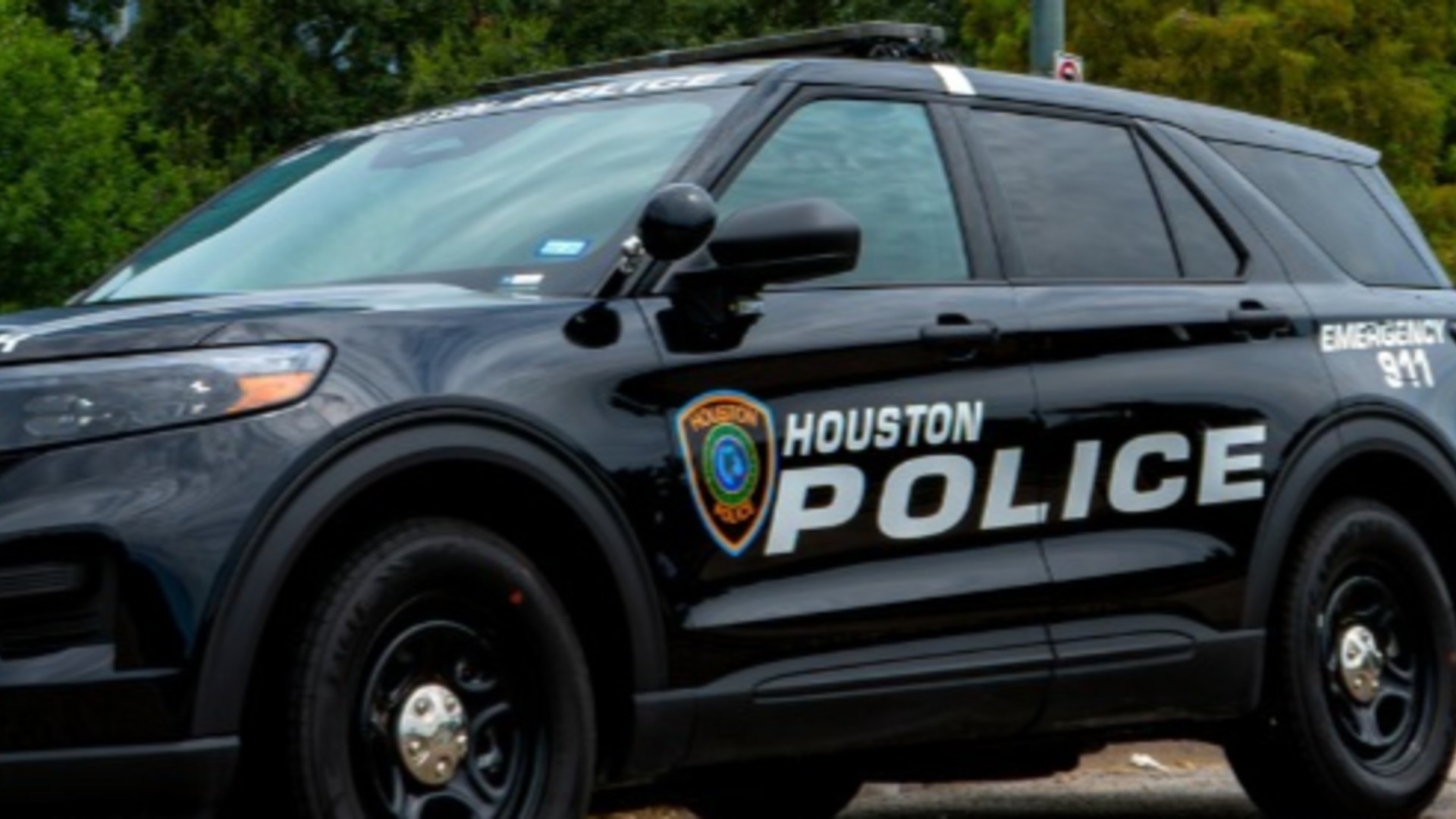
HOUSTON, TX — As rumors ripple across social media and national attention turns toward Houston’s waterways, city and county officials are again pushing back against speculation that a serial killer is responsible for a growing number of bodies recovered from area bayous.
According to reporting by News Talk 96.5 KPEL, 34 bodies have been recovered from Houston-area bayous so far in 2025, nearly matching last year’s total of 35. The number has fueled anxiety online, particularly after three bodies were found in a single week during the holiday season, but law enforcement leaders insist the cases are not connected.
The Houston Police Department says investigators have found no consistent pattern among the deaths. As KPEL reported, each case is being handled individually, with autopsies either completed or still pending. Officials say the circumstances surrounding the deaths vary widely and do not point to a single perpetrator.
Harris County District Attorney Sean Teare has been especially direct in dismissing the rumors. In a one-on-one interview with KPRC 2, Teare said, “There is nothing, nothing, and I want to be crystal clear, to indicate that there is someone operating here as a serial killer. There are many reasons for these deaths. None of them are a serial killer.”
Teare and other officials point instead to long-standing challenges facing the city.
According to Click2Houston, Teare cited homelessness, mental health crises and substance abuse as major contributing factors. “We have a massive homeless problem. We have massive mental health and addiction problem. All of those things are contributing to a lot of the bodies that we’re discovering,” he said.
Houston’s geography also plays a role. The city contains more than 2,500 miles of bayous and waterways, many of them cutting through dense urban areas. Teare described the dangers of those waterways, telling KPRC 2, “It’s kind of a little known fact, but when you get into the bayous, it is very difficult to get out. When you combine that with someone that is high on some substance, someone that is intoxicated somehow, it makes it even more difficult.”
Recent recoveries have kept the issue in the spotlight.
The Houston Chronicle reported that police responded to Buffalo Bayou Park on Wednesday afternoon after a passerby spotted a man’s body in the water near the 4400 block of Memorial Drive. The identity and cause of death were not immediately known, and authorities said more information would be released after an autopsy. That recovery marked the 34th body found in or near Harris County bayous this year, according to the Harris County Institute of Forensic Sciences.
Public skepticism remains strong. ABC13 reported that the topic has spread far beyond Houston, with visitors and residents alike questioning official explanations.
“The math isn’t mathing, I think there’s a serial killer,” said Juan Sandoval, who was visiting the city. His friend, Houston resident Erick Cortez, told ABC13, “There must be someone out there, no? Because it’s ridiculous that so many people are dying in the bayou, I think it’s unfortunate that they haven’t found the person.”
Experts say those reactions are understandable but misguided. University of Houston criminal justice professor Krista Gehring told ABC13 that television and true crime culture can distort public perception.
“Because a lot of times people think, ‘Oh they’re in the bayou, they are dumping the body to get rid of evidence,’ because that’s what we see in those shows… people could have just had an accident, people could’ve done this to themselves, people could’ve been intoxicated,” she said. Retired Houston Police Captain Greg Fremin echoed that message, urging residents to stay aware but not fearful. “I tell the citizens of Houston, we have a relatively safe city for the most part… this is not anything to be concerned about,” he told ABC13.
Historical data adds context but also unease. Records cited by KPEL and Click2Houston show nearly 200 bodies have been recovered from Houston bayous since 2017, with about 40 percent of those cases classified as undetermined, meaning investigators could not conclusively rule whether the deaths were accidents, suicides or homicides. Teare acknowledged that crimes do occasionally involve bodies being placed in bayous, but stressed they are isolated. “Yes, there are times where we recover bodies that were placed in the bayou criminally, no question, but that is not something that is a regular occurrence,” he said.
City leaders say preventative measures are already in place. Mayor John Whitmire, in a statement reported by KPRC 2, said, “One death is too many, and I extend my condolences to those whose loved ones were discovered in a local bayou.” He added that Houston police routinely patrol bayou trails on horseback, bicycle and through other safety initiatives.
For now, officials say every recovered body is undergoing a full autopsy and investigation, and unresolved cases are reviewed by a dedicated cold case squad. While the pace of discoveries has unsettled many residents, authorities continue to emphasize that the deaths, though tragic, do not point to a serial killer operating in Houston’s bayous.
Presumption of Innocence: A presumption of innocence means that any defendant in a criminal trial is presumed to be innocent until they have been proven guilty beyond a reasonable doubt in a court of law. The defendant in this case is only accused of the charges set forth in the criminal complaint. They are innocent until proven guilty.
Editor Picks





Latest Articles




Is There a Serial Killer Targeting Houston Bayous? Authorities Say Homelessness May Be More to Blame
As bodies continue to be recovered from Houston’s bayous, authorities say there is no evidence of a serial killer and point instead to homelessness, addiction, and mental health crises.
By Jacob Charles
Published: December 31, 2025 8:28 am ET
HOUSTON, TX — As rumors ripple across social media and national attention turns toward Houston’s waterways, city and county officials are again pushing back against speculation that a serial killer is responsible for a growing number of bodies recovered from area bayous.
According to reporting by News Talk 96.5 KPEL, 34 bodies have been recovered from Houston-area bayous so far in 2025, nearly matching last year’s total of 35. The number has fueled anxiety online, particularly after three bodies were found in a single week during the holiday season, but law enforcement leaders insist the cases are not connected.
The Houston Police Department says investigators have found no consistent pattern among the deaths. As KPEL reported, each case is being handled individually, with autopsies either completed or still pending. Officials say the circumstances surrounding the deaths vary widely and do not point to a single perpetrator.
Harris County District Attorney Sean Teare has been especially direct in dismissing the rumors. In a one-on-one interview with KPRC 2, Teare said, “There is nothing, nothing, and I want to be crystal clear, to indicate that there is someone operating here as a serial killer. There are many reasons for these deaths. None of them are a serial killer.”
Teare and other officials point instead to long-standing challenges facing the city.
According to Click2Houston, Teare cited homelessness, mental health crises and substance abuse as major contributing factors. “We have a massive homeless problem. We have massive mental health and addiction problem. All of those things are contributing to a lot of the bodies that we’re discovering,” he said.
Houston’s geography also plays a role. The city contains more than 2,500 miles of bayous and waterways, many of them cutting through dense urban areas. Teare described the dangers of those waterways, telling KPRC 2, “It’s kind of a little known fact, but when you get into the bayous, it is very difficult to get out. When you combine that with someone that is high on some substance, someone that is intoxicated somehow, it makes it even more difficult.”
Recent recoveries have kept the issue in the spotlight.
The Houston Chronicle reported that police responded to Buffalo Bayou Park on Wednesday afternoon after a passerby spotted a man’s body in the water near the 4400 block of Memorial Drive. The identity and cause of death were not immediately known, and authorities said more information would be released after an autopsy. That recovery marked the 34th body found in or near Harris County bayous this year, according to the Harris County Institute of Forensic Sciences.
Public skepticism remains strong. ABC13 reported that the topic has spread far beyond Houston, with visitors and residents alike questioning official explanations.
“The math isn’t mathing, I think there’s a serial killer,” said Juan Sandoval, who was visiting the city. His friend, Houston resident Erick Cortez, told ABC13, “There must be someone out there, no? Because it’s ridiculous that so many people are dying in the bayou, I think it’s unfortunate that they haven’t found the person.”
Experts say those reactions are understandable but misguided. University of Houston criminal justice professor Krista Gehring told ABC13 that television and true crime culture can distort public perception.
“Because a lot of times people think, ‘Oh they’re in the bayou, they are dumping the body to get rid of evidence,’ because that’s what we see in those shows… people could have just had an accident, people could’ve done this to themselves, people could’ve been intoxicated,” she said. Retired Houston Police Captain Greg Fremin echoed that message, urging residents to stay aware but not fearful. “I tell the citizens of Houston, we have a relatively safe city for the most part… this is not anything to be concerned about,” he told ABC13.
Historical data adds context but also unease. Records cited by KPEL and Click2Houston show nearly 200 bodies have been recovered from Houston bayous since 2017, with about 40 percent of those cases classified as undetermined, meaning investigators could not conclusively rule whether the deaths were accidents, suicides or homicides. Teare acknowledged that crimes do occasionally involve bodies being placed in bayous, but stressed they are isolated. “Yes, there are times where we recover bodies that were placed in the bayou criminally, no question, but that is not something that is a regular occurrence,” he said.
City leaders say preventative measures are already in place. Mayor John Whitmire, in a statement reported by KPRC 2, said, “One death is too many, and I extend my condolences to those whose loved ones were discovered in a local bayou.” He added that Houston police routinely patrol bayou trails on horseback, bicycle and through other safety initiatives.
For now, officials say every recovered body is undergoing a full autopsy and investigation, and unresolved cases are reviewed by a dedicated cold case squad. While the pace of discoveries has unsettled many residents, authorities continue to emphasize that the deaths, though tragic, do not point to a serial killer operating in Houston’s bayous.
Presumption of Innocence: A presumption of innocence means that any defendant in a criminal trial is presumed to be innocent until they have been proven guilty beyond a reasonable doubt in a court of law. The defendant in this case is only accused of the charges set forth in the criminal complaint. They are innocent until proven guilty.
Editor's Note: ThePo makes every effort to accurately transcribe the contents of affidavits of probable cause contained in criminal complaints. Often, the complaints themselves are copies of copies of faxed copies, and are difficult to read. To confirm the accuracy of our transcription, contact the Magisterial District Court listed above and request a copy of the criminal complaint. It's a public record to which you are entitled.
Must Read
Editor Picks
Latest Articles
Is There a Serial Killer Targeting Houston Bayous? Authorities Say Homelessness May Be More to Blame
As bodies continue to be recovered from Houston’s bayous, authorities say there is no evidence of a serial killer and point instead to homelessness, addiction, and mental health crises.
By Jacob Charles
Published: December 31, 2025 8:28 am ET
HOUSTON, TX — As rumors ripple across social media and national attention turns toward Houston’s waterways, city and county officials are again pushing back against speculation that a serial killer is responsible for a growing number of bodies recovered from area bayous.
According to reporting by News Talk 96.5 KPEL, 34 bodies have been recovered from Houston-area bayous so far in 2025, nearly matching last year’s total of 35. The number has fueled anxiety online, particularly after three bodies were found in a single week during the holiday season, but law enforcement leaders insist the cases are not connected.
The Houston Police Department says investigators have found no consistent pattern among the deaths. As KPEL reported, each case is being handled individually, with autopsies either completed or still pending. Officials say the circumstances surrounding the deaths vary widely and do not point to a single perpetrator.
Harris County District Attorney Sean Teare has been especially direct in dismissing the rumors. In a one-on-one interview with KPRC 2, Teare said, “There is nothing, nothing, and I want to be crystal clear, to indicate that there is someone operating here as a serial killer. There are many reasons for these deaths. None of them are a serial killer.”
Teare and other officials point instead to long-standing challenges facing the city.
According to Click2Houston, Teare cited homelessness, mental health crises and substance abuse as major contributing factors. “We have a massive homeless problem. We have massive mental health and addiction problem. All of those things are contributing to a lot of the bodies that we’re discovering,” he said.
Houston’s geography also plays a role. The city contains more than 2,500 miles of bayous and waterways, many of them cutting through dense urban areas. Teare described the dangers of those waterways, telling KPRC 2, “It’s kind of a little known fact, but when you get into the bayous, it is very difficult to get out. When you combine that with someone that is high on some substance, someone that is intoxicated somehow, it makes it even more difficult.”
Recent recoveries have kept the issue in the spotlight.
The Houston Chronicle reported that police responded to Buffalo Bayou Park on Wednesday afternoon after a passerby spotted a man’s body in the water near the 4400 block of Memorial Drive. The identity and cause of death were not immediately known, and authorities said more information would be released after an autopsy. That recovery marked the 34th body found in or near Harris County bayous this year, according to the Harris County Institute of Forensic Sciences.
Public skepticism remains strong. ABC13 reported that the topic has spread far beyond Houston, with visitors and residents alike questioning official explanations.
“The math isn’t mathing, I think there’s a serial killer,” said Juan Sandoval, who was visiting the city. His friend, Houston resident Erick Cortez, told ABC13, “There must be someone out there, no? Because it’s ridiculous that so many people are dying in the bayou, I think it’s unfortunate that they haven’t found the person.”
Experts say those reactions are understandable but misguided. University of Houston criminal justice professor Krista Gehring told ABC13 that television and true crime culture can distort public perception.
“Because a lot of times people think, ‘Oh they’re in the bayou, they are dumping the body to get rid of evidence,’ because that’s what we see in those shows… people could have just had an accident, people could’ve done this to themselves, people could’ve been intoxicated,” she said. Retired Houston Police Captain Greg Fremin echoed that message, urging residents to stay aware but not fearful. “I tell the citizens of Houston, we have a relatively safe city for the most part… this is not anything to be concerned about,” he told ABC13.
Historical data adds context but also unease. Records cited by KPEL and Click2Houston show nearly 200 bodies have been recovered from Houston bayous since 2017, with about 40 percent of those cases classified as undetermined, meaning investigators could not conclusively rule whether the deaths were accidents, suicides or homicides. Teare acknowledged that crimes do occasionally involve bodies being placed in bayous, but stressed they are isolated. “Yes, there are times where we recover bodies that were placed in the bayou criminally, no question, but that is not something that is a regular occurrence,” he said.
City leaders say preventative measures are already in place. Mayor John Whitmire, in a statement reported by KPRC 2, said, “One death is too many, and I extend my condolences to those whose loved ones were discovered in a local bayou.” He added that Houston police routinely patrol bayou trails on horseback, bicycle and through other safety initiatives.
For now, officials say every recovered body is undergoing a full autopsy and investigation, and unresolved cases are reviewed by a dedicated cold case squad. While the pace of discoveries has unsettled many residents, authorities continue to emphasize that the deaths, though tragic, do not point to a serial killer operating in Houston’s bayous.
Presumption of Innocence: A presumption of innocence means that any defendant in a criminal trial is presumed to be innocent until they have been proven guilty beyond a reasonable doubt in a court of law. The defendant in this case is only accused of the charges set forth in the criminal complaint. They are innocent until proven guilty.
Editor's Note: ThePo makes every effort to accurately transcribe the contents of affidavits of probable cause contained in criminal complaints. Often, the complaints themselves are copies of copies of faxed copies, and are difficult to read. To confirm the accuracy of our transcription, contact the Magisterial District Court listed above and request a copy of the criminal complaint. It's a public record to which you are entitled.
Must Read
