

Topline: The sudden departure of a celebrity defense attorney has reshaped the legal path forward for Nick Reiner as he awaits arraignment on murder charges.
Published: January 8, 2026 7:36 am ET

Must Read
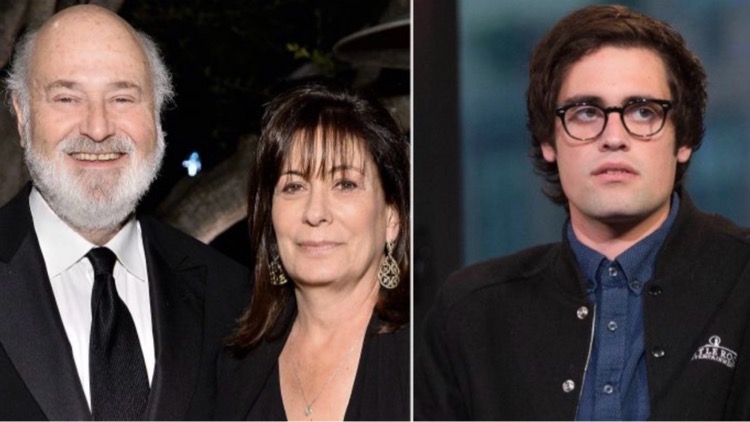
Left: Rob and Michele Reiner, Right: Nick Reiner via Getty/WireImage
LOS ANGELES, CA — The legal team defending Nick Reiner against charges that he murdered his parents was abruptly reshaped Wednesday when his high-profile attorney, Alan Jackson, stepped away from the case just as Reiner was expected to enter a plea.
The withdrawal unfolded inside a Los Angeles Superior Court courtroom, where Reiner, 32, appeared in custody for a hearing tied to two counts of first-degree murder in the stabbing deaths of filmmaker Rob Reiner, 78, and photographer and producer Michele Singer Reiner, 70.
According to reporting by The New York Times, Reiner did not enter a plea and agreed to delay his arraignment, which Judge Theresa McGonigle rescheduled for Feb. 23.
After a private discussion with the judge in chambers, Jackson told the court, “we feel we have no choice” but to withdraw. Outside the courthouse, he said the decision was driven by circumstances beyond his and his client’s control and that he was barred from explaining further for legal and ethical reasons, according to The Washington Post.
“What we’ve learned, and you can take this to the bank, is that — pursuant to the laws of this state, pursuant to the law in California — Nick Reiner is not guilty of murder,” Jackson said at a news conference, adding pointedly, “Print that,” according to the Post and the Times.
Jackson, a prominent criminal defense lawyer whose past clients have included Kevin Spacey and Harvey Weinstein, had taken on the case shortly after Reiner’s arrest on Dec. 14, the same day his parents were found stabbed to death in the Brentwood neighborhood of Los Angeles. A person with knowledge of the situation told The New York Times that lawyers for the Reiner family arranged for Jackson’s representation immediately after the arrest and emphasized that his departure had nothing to do with his performance.
Still, the sudden change raised questions about what happens next for a defendant facing the possibility of life in prison without parole or the death penalty if convicted. The state has alleged the aggravating factor of multiple murders; prosecutors have not said whether they will seek capital punishment, and Gov. Gavin Newsom has maintained a moratorium on executions since 2019.
Judge McGonigle assigned the case to Kimberly Greene of the Los Angeles County public defender’s office, effectively shifting Reiner’s defense from a privately retained legal team to one funded by taxpayers. Greene said Wednesday that she had spoken briefly with Reiner but had not had contact with his family, according to multiple reports.
“It’s not uncommon for private counsel to turn over cases to us,” Greene told reporters, according to USA Today. “Nothing about that would complicate the situation.”
Several legal analysts interviewed by USA Today said the move could reflect financial realities rather than strategy. Neama Rahmani, a Los Angeles-based litigator and former federal prosecutor, said someone like Jackson would likely require a seven-figure retainer, with total trial costs potentially reaching $5 million to $10 million. “It’s likely money,” Rahmani said. “In the business we say, ‘Mr. Green didn’t show up.’”
USA Today also reported that California’s “slayer statute,” which prevents someone who “feloniously and intentionally kills” another person from inheriting from the victim, could further complicate Reiner’s access to any family assets while the case is pending. Former prosecutor Scott Tenley said probate courts can apply the statute without waiting for a criminal conviction, making it “incredibly difficult” for Reiner to obtain funds from his parents’ estate.
Other attorneys cautioned that replacing a star defense lawyer with a public defender does not automatically weaken a case. Tenley told USA Today that public defenders routinely handle murder trials and mental health defenses, while Loyola Law School professor Laurie Levenson described Greene as “one of the best,” citing her experience and deep familiarity with the Los Angeles justice system, according to The New York Times.
Los Angeles County District Attorney Nathan Hochman, however, struck a confident tone. “We are fully confident that a jury will convict Nick Reiner beyond a reasonable doubt of the brutal murders of his parents,” he said in a statement cited by the Post and the Times.
Reiner was arrested near the University of Southern California campus hours after police discovered his parents’ bodies and is being held without bail at the Twin Towers Correctional Facility. During Wednesday’s hearing, he appeared in brown jail clothing, quietly staring ahead as his attorneys conferred with the judge, according to the Post. At previous court appearances, Judge McGonigle barred cameras from filming or photographing him, a decision the court’s communications office told USA Today was within her discretion.
Over the years, Reiner has spoken publicly about struggles with drug abuse and periods of homelessness. He worked with his father on the 2016 film “Being Charlie,” loosely based on their often-strained relationship. When charges were announced, Hochman said cases involving close family members are among the most difficult to prosecute because of their emotional complexity.
In a statement to The New York Times, a spokesperson for Reiner’s siblings, Jake, 34, and Romy, 28, said the family has “the utmost trust in the legal process and will not comment further on matters related to the legal proceedings.” The siblings previously asked for privacy and for their parents to be remembered “for the incredible lives they lived and the love they gave.”
As the case moves toward a delayed arraignment next month, the focus now shifts to how Greene and the public defender’s office will shape Reiner’s defense — and whether the absence of a celebrity lawyer will matter in a prosecution that has already drawn intense national attention.
Presumption of Innocence: A presumption of innocence means that any defendant in a criminal trial is presumed to be innocent until they have been proven guilty beyond a reasonable doubt in a court of law. The defendant in this case is only accused of the charges set forth in the criminal complaint. They are innocent until proven guilty.
Editor Picks





Latest Articles



What the Withdrawal of Nick Reiner’s Lawyer Means for the Case Ahead
The sudden departure of a celebrity defense attorney has reshaped the legal path forward for Nick Reiner as he awaits arraignment on murder charges.
By Jacob Charles
Published: January 8, 2026 7:36 am ET
Left: Rob and Michele Reiner, Right: Nick Reiner via Getty/WireImage
LOS ANGELES, CA — The legal team defending Nick Reiner against charges that he murdered his parents was abruptly reshaped Wednesday when his high-profile attorney, Alan Jackson, stepped away from the case just as Reiner was expected to enter a plea.
The withdrawal unfolded inside a Los Angeles Superior Court courtroom, where Reiner, 32, appeared in custody for a hearing tied to two counts of first-degree murder in the stabbing deaths of filmmaker Rob Reiner, 78, and photographer and producer Michele Singer Reiner, 70.
According to reporting by The New York Times, Reiner did not enter a plea and agreed to delay his arraignment, which Judge Theresa McGonigle rescheduled for Feb. 23.
After a private discussion with the judge in chambers, Jackson told the court, “we feel we have no choice” but to withdraw. Outside the courthouse, he said the decision was driven by circumstances beyond his and his client’s control and that he was barred from explaining further for legal and ethical reasons, according to The Washington Post.
“What we’ve learned, and you can take this to the bank, is that — pursuant to the laws of this state, pursuant to the law in California — Nick Reiner is not guilty of murder,” Jackson said at a news conference, adding pointedly, “Print that,” according to the Post and the Times.
Jackson, a prominent criminal defense lawyer whose past clients have included Kevin Spacey and Harvey Weinstein, had taken on the case shortly after Reiner’s arrest on Dec. 14, the same day his parents were found stabbed to death in the Brentwood neighborhood of Los Angeles. A person with knowledge of the situation told The New York Times that lawyers for the Reiner family arranged for Jackson’s representation immediately after the arrest and emphasized that his departure had nothing to do with his performance.
Still, the sudden change raised questions about what happens next for a defendant facing the possibility of life in prison without parole or the death penalty if convicted. The state has alleged the aggravating factor of multiple murders; prosecutors have not said whether they will seek capital punishment, and Gov. Gavin Newsom has maintained a moratorium on executions since 2019.
Judge McGonigle assigned the case to Kimberly Greene of the Los Angeles County public defender’s office, effectively shifting Reiner’s defense from a privately retained legal team to one funded by taxpayers. Greene said Wednesday that she had spoken briefly with Reiner but had not had contact with his family, according to multiple reports.
“It’s not uncommon for private counsel to turn over cases to us,” Greene told reporters, according to USA Today. “Nothing about that would complicate the situation.”
Several legal analysts interviewed by USA Today said the move could reflect financial realities rather than strategy. Neama Rahmani, a Los Angeles-based litigator and former federal prosecutor, said someone like Jackson would likely require a seven-figure retainer, with total trial costs potentially reaching $5 million to $10 million. “It’s likely money,” Rahmani said. “In the business we say, ‘Mr. Green didn’t show up.’”
USA Today also reported that California’s “slayer statute,” which prevents someone who “feloniously and intentionally kills” another person from inheriting from the victim, could further complicate Reiner’s access to any family assets while the case is pending. Former prosecutor Scott Tenley said probate courts can apply the statute without waiting for a criminal conviction, making it “incredibly difficult” for Reiner to obtain funds from his parents’ estate.
Other attorneys cautioned that replacing a star defense lawyer with a public defender does not automatically weaken a case. Tenley told USA Today that public defenders routinely handle murder trials and mental health defenses, while Loyola Law School professor Laurie Levenson described Greene as “one of the best,” citing her experience and deep familiarity with the Los Angeles justice system, according to The New York Times.
Los Angeles County District Attorney Nathan Hochman, however, struck a confident tone. “We are fully confident that a jury will convict Nick Reiner beyond a reasonable doubt of the brutal murders of his parents,” he said in a statement cited by the Post and the Times.
Reiner was arrested near the University of Southern California campus hours after police discovered his parents’ bodies and is being held without bail at the Twin Towers Correctional Facility. During Wednesday’s hearing, he appeared in brown jail clothing, quietly staring ahead as his attorneys conferred with the judge, according to the Post. At previous court appearances, Judge McGonigle barred cameras from filming or photographing him, a decision the court’s communications office told USA Today was within her discretion.
Over the years, Reiner has spoken publicly about struggles with drug abuse and periods of homelessness. He worked with his father on the 2016 film “Being Charlie,” loosely based on their often-strained relationship. When charges were announced, Hochman said cases involving close family members are among the most difficult to prosecute because of their emotional complexity.
In a statement to The New York Times, a spokesperson for Reiner’s siblings, Jake, 34, and Romy, 28, said the family has “the utmost trust in the legal process and will not comment further on matters related to the legal proceedings.” The siblings previously asked for privacy and for their parents to be remembered “for the incredible lives they lived and the love they gave.”
As the case moves toward a delayed arraignment next month, the focus now shifts to how Greene and the public defender’s office will shape Reiner’s defense — and whether the absence of a celebrity lawyer will matter in a prosecution that has already drawn intense national attention.
Presumption of Innocence: A presumption of innocence means that any defendant in a criminal trial is presumed to be innocent until they have been proven guilty beyond a reasonable doubt in a court of law. The defendant in this case is only accused of the charges set forth in the criminal complaint. They are innocent until proven guilty.
Editor's Note: ThePo makes every effort to accurately transcribe the contents of affidavits of probable cause contained in criminal complaints. Often, the complaints themselves are copies of copies of faxed copies, and are difficult to read. To confirm the accuracy of our transcription, contact the Magisterial District Court listed above and request a copy of the criminal complaint. It's a public record to which you are entitled.
Must Read
Editor Picks
Latest Articles
What the Withdrawal of Nick Reiner’s Lawyer Means for the Case Ahead
The sudden departure of a celebrity defense attorney has reshaped the legal path forward for Nick Reiner as he awaits arraignment on murder charges.
By Jacob Charles
Published: January 8, 2026 7:36 am ET
Left: Rob and Michele Reiner, Right: Nick Reiner via Getty/WireImage
LOS ANGELES, CA — The legal team defending Nick Reiner against charges that he murdered his parents was abruptly reshaped Wednesday when his high-profile attorney, Alan Jackson, stepped away from the case just as Reiner was expected to enter a plea.
The withdrawal unfolded inside a Los Angeles Superior Court courtroom, where Reiner, 32, appeared in custody for a hearing tied to two counts of first-degree murder in the stabbing deaths of filmmaker Rob Reiner, 78, and photographer and producer Michele Singer Reiner, 70.
According to reporting by The New York Times, Reiner did not enter a plea and agreed to delay his arraignment, which Judge Theresa McGonigle rescheduled for Feb. 23.
After a private discussion with the judge in chambers, Jackson told the court, “we feel we have no choice” but to withdraw. Outside the courthouse, he said the decision was driven by circumstances beyond his and his client’s control and that he was barred from explaining further for legal and ethical reasons, according to The Washington Post.
“What we’ve learned, and you can take this to the bank, is that — pursuant to the laws of this state, pursuant to the law in California — Nick Reiner is not guilty of murder,” Jackson said at a news conference, adding pointedly, “Print that,” according to the Post and the Times.
Jackson, a prominent criminal defense lawyer whose past clients have included Kevin Spacey and Harvey Weinstein, had taken on the case shortly after Reiner’s arrest on Dec. 14, the same day his parents were found stabbed to death in the Brentwood neighborhood of Los Angeles. A person with knowledge of the situation told The New York Times that lawyers for the Reiner family arranged for Jackson’s representation immediately after the arrest and emphasized that his departure had nothing to do with his performance.
Still, the sudden change raised questions about what happens next for a defendant facing the possibility of life in prison without parole or the death penalty if convicted. The state has alleged the aggravating factor of multiple murders; prosecutors have not said whether they will seek capital punishment, and Gov. Gavin Newsom has maintained a moratorium on executions since 2019.
Judge McGonigle assigned the case to Kimberly Greene of the Los Angeles County public defender’s office, effectively shifting Reiner’s defense from a privately retained legal team to one funded by taxpayers. Greene said Wednesday that she had spoken briefly with Reiner but had not had contact with his family, according to multiple reports.
“It’s not uncommon for private counsel to turn over cases to us,” Greene told reporters, according to USA Today. “Nothing about that would complicate the situation.”
Several legal analysts interviewed by USA Today said the move could reflect financial realities rather than strategy. Neama Rahmani, a Los Angeles-based litigator and former federal prosecutor, said someone like Jackson would likely require a seven-figure retainer, with total trial costs potentially reaching $5 million to $10 million. “It’s likely money,” Rahmani said. “In the business we say, ‘Mr. Green didn’t show up.’”
USA Today also reported that California’s “slayer statute,” which prevents someone who “feloniously and intentionally kills” another person from inheriting from the victim, could further complicate Reiner’s access to any family assets while the case is pending. Former prosecutor Scott Tenley said probate courts can apply the statute without waiting for a criminal conviction, making it “incredibly difficult” for Reiner to obtain funds from his parents’ estate.
Other attorneys cautioned that replacing a star defense lawyer with a public defender does not automatically weaken a case. Tenley told USA Today that public defenders routinely handle murder trials and mental health defenses, while Loyola Law School professor Laurie Levenson described Greene as “one of the best,” citing her experience and deep familiarity with the Los Angeles justice system, according to The New York Times.
Los Angeles County District Attorney Nathan Hochman, however, struck a confident tone. “We are fully confident that a jury will convict Nick Reiner beyond a reasonable doubt of the brutal murders of his parents,” he said in a statement cited by the Post and the Times.
Reiner was arrested near the University of Southern California campus hours after police discovered his parents’ bodies and is being held without bail at the Twin Towers Correctional Facility. During Wednesday’s hearing, he appeared in brown jail clothing, quietly staring ahead as his attorneys conferred with the judge, according to the Post. At previous court appearances, Judge McGonigle barred cameras from filming or photographing him, a decision the court’s communications office told USA Today was within her discretion.
Over the years, Reiner has spoken publicly about struggles with drug abuse and periods of homelessness. He worked with his father on the 2016 film “Being Charlie,” loosely based on their often-strained relationship. When charges were announced, Hochman said cases involving close family members are among the most difficult to prosecute because of their emotional complexity.
In a statement to The New York Times, a spokesperson for Reiner’s siblings, Jake, 34, and Romy, 28, said the family has “the utmost trust in the legal process and will not comment further on matters related to the legal proceedings.” The siblings previously asked for privacy and for their parents to be remembered “for the incredible lives they lived and the love they gave.”
As the case moves toward a delayed arraignment next month, the focus now shifts to how Greene and the public defender’s office will shape Reiner’s defense — and whether the absence of a celebrity lawyer will matter in a prosecution that has already drawn intense national attention.
Presumption of Innocence: A presumption of innocence means that any defendant in a criminal trial is presumed to be innocent until they have been proven guilty beyond a reasonable doubt in a court of law. The defendant in this case is only accused of the charges set forth in the criminal complaint. They are innocent until proven guilty.
Editor's Note: ThePo makes every effort to accurately transcribe the contents of affidavits of probable cause contained in criminal complaints. Often, the complaints themselves are copies of copies of faxed copies, and are difficult to read. To confirm the accuracy of our transcription, contact the Magisterial District Court listed above and request a copy of the criminal complaint. It's a public record to which you are entitled.
Must Read
