

Topline: A Florida jury unanimously recommended the death penalty for DeMorris Hunter after convicting him of strangling Theresa Ann Green, stuffing her body into the trunk of her own car, and leaving it behind a Walgreens in a 2002 cold case.
Published: April 15, 2026 11:00 am ET

Shawn Fletcher
Committed to the craft of journalism and am driven by my desire to inform and inspire.
Must Read
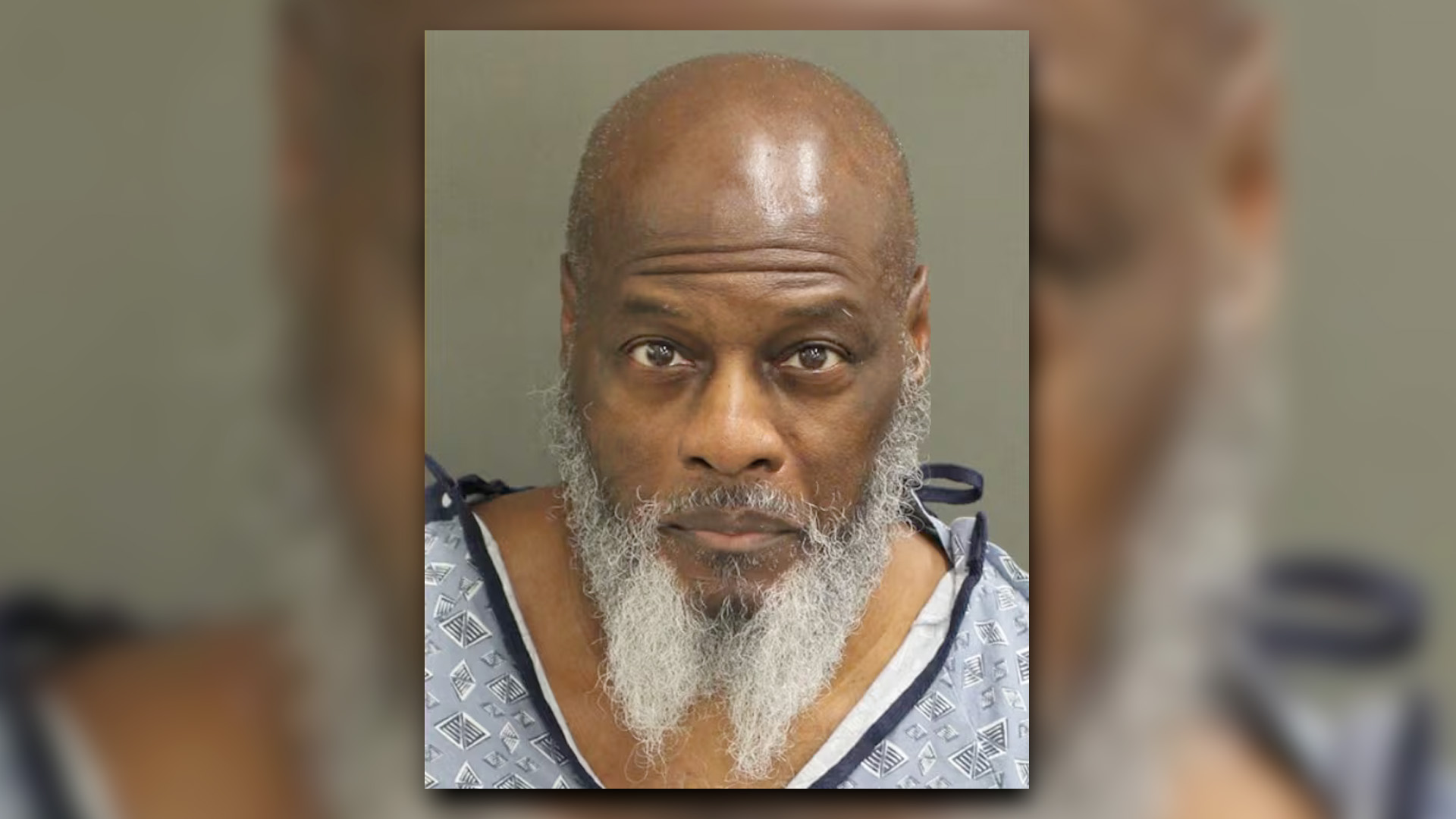
DeMorris Hunter
ORLANDO, FL — A Florida jury has unanimously recommended the death penalty for DeMorris Hunter after convicting him of first-degree murder and theft in the 2002 killing of Theresa Ann Green, whose body was found strangled and hidden in the trunk of her own car.
Court TV reported that Hunter, 59, was found guilty in Green’s death and then faced the same jury during the penalty phase, where jurors returned days later with a unanimous recommendation that he be sentenced to death. Judge Lisa Munyon is scheduled to preside over a Spencer hearing on June 1, when the defense will have a final opportunity to present mitigating evidence in an effort to spare Hunter’s life.
Green, 38, was killed on May 26, 2002. According to trial testimony, she and Hunter both attended a party hosted by Joyce Butler and Joseph Butler at the apartment building where Green lived and Hunter was also staying. Witnesses told police that the two left the party at roughly the same time after falling down a stairway and then getting up and entering Green’s apartment together.
Joseph Butler told investigators that several hours after the party ended, Hunter returned and asked him for help. According to Butler, Hunter handed him the keys to a white van and asked him to follow behind while Hunter drove Green’s Oldsmobile. Butler said Hunter left the victim’s car parked at a Walgreens and then got into the van. When asked why Green’s car was being abandoned, Butler testified that Hunter replied, “I did something really bad.” Butler said he did not want to hear anything further and dropped the subject.
Police later found Green’s vehicle at the Walgreens. When officers looked inside the trunk, they discovered Green’s body wrapped in an unknown material. The medical examiner determined that she had been killed by manual strangulation.
Prosecutors said Hunter and Green were dating at the time of her death, though he was allegedly lying about his real name. Green’s son, Octavius Hayes, who was 13 at the time, testified that when he returned home during Memorial Day weekend, he found the apartment in disarray, with holes in the wall, items from his mother’s purse scattered on the bed, and signs that something was badly wrong.
Retired Orlando officers and crime scene investigators testified about the original 2002 investigation, including damage inside Green’s apartment, blood evidence, latent prints, and the discovery of her vehicle. A Sanford police witness testified about locating the Oldsmobile at Walgreens. Forensic pathologists also sharply disagreed during trial, with one concluding Green died of strangulation and another called by the defense saying the cause of death should be considered undetermined.
The state also introduced evidence tying Hunter to an earlier California killing. According to testimony, the owner of the white van, Henry Fields, told police Hunter had recently arrived in Florida from Oakland and confided that he had committed a murder there involving a longtime friend of his girlfriend. Hunter was later convicted in that Oakland killing and sentenced to 110 years before being extradited to Florida to stand trial in Green’s death.
During the penalty phase, prosecutors highlighted Hunter’s violent history, including testimony about a 1985 killing in California in which 18-year-old Cesar Guzman was slain. The defense called relatives, former classmates, and longtime friends who described Hunter as kind, playful, and respectful. Hunter’s daughter testified that she has no memories of him outside prison but has maintained a relationship with him while he has been incarcerated.
The jury nonetheless unanimously recommended a death sentence. The final decision now rests with the court following the June 1 Spencer hearing.
Presumption of Innocence: A presumption of innocence means that any defendant in a criminal trial is presumed to be innocent until they have been proven guilty beyond a reasonable doubt in a court of law. The defendant in this case is only accused of the charges set forth in the criminal complaint. They are innocent until proven guilty.
Editor Picks





Latest Articles




Jury Recommends Death for DeMorris Hunter in 2002 Strangling of Theresa Ann Green After Florida Cold Case Conviction
A Florida jury unanimously recommended the death penalty for DeMorris Hunter after convicting him of strangling Theresa Ann Green, stuffing her body into the trunk of her own car, and leaving it behind a Walgreens in a 2002 cold case.
By Shawn Fletcher
Published: April 15, 2026 11:00 am ET
DeMorris Hunter
ORLANDO, FL — A Florida jury has unanimously recommended the death penalty for DeMorris Hunter after convicting him of first-degree murder and theft in the 2002 killing of Theresa Ann Green, whose body was found strangled and hidden in the trunk of her own car.
Court TV reported that Hunter, 59, was found guilty in Green’s death and then faced the same jury during the penalty phase, where jurors returned days later with a unanimous recommendation that he be sentenced to death. Judge Lisa Munyon is scheduled to preside over a Spencer hearing on June 1, when the defense will have a final opportunity to present mitigating evidence in an effort to spare Hunter’s life.
Green, 38, was killed on May 26, 2002. According to trial testimony, she and Hunter both attended a party hosted by Joyce Butler and Joseph Butler at the apartment building where Green lived and Hunter was also staying. Witnesses told police that the two left the party at roughly the same time after falling down a stairway and then getting up and entering Green’s apartment together.
Joseph Butler told investigators that several hours after the party ended, Hunter returned and asked him for help. According to Butler, Hunter handed him the keys to a white van and asked him to follow behind while Hunter drove Green’s Oldsmobile. Butler said Hunter left the victim’s car parked at a Walgreens and then got into the van. When asked why Green’s car was being abandoned, Butler testified that Hunter replied, “I did something really bad.” Butler said he did not want to hear anything further and dropped the subject.
Police later found Green’s vehicle at the Walgreens. When officers looked inside the trunk, they discovered Green’s body wrapped in an unknown material. The medical examiner determined that she had been killed by manual strangulation.
Prosecutors said Hunter and Green were dating at the time of her death, though he was allegedly lying about his real name. Green’s son, Octavius Hayes, who was 13 at the time, testified that when he returned home during Memorial Day weekend, he found the apartment in disarray, with holes in the wall, items from his mother’s purse scattered on the bed, and signs that something was badly wrong.
Retired Orlando officers and crime scene investigators testified about the original 2002 investigation, including damage inside Green’s apartment, blood evidence, latent prints, and the discovery of her vehicle. A Sanford police witness testified about locating the Oldsmobile at Walgreens. Forensic pathologists also sharply disagreed during trial, with one concluding Green died of strangulation and another called by the defense saying the cause of death should be considered undetermined.
The state also introduced evidence tying Hunter to an earlier California killing. According to testimony, the owner of the white van, Henry Fields, told police Hunter had recently arrived in Florida from Oakland and confided that he had committed a murder there involving a longtime friend of his girlfriend. Hunter was later convicted in that Oakland killing and sentenced to 110 years before being extradited to Florida to stand trial in Green’s death.
During the penalty phase, prosecutors highlighted Hunter’s violent history, including testimony about a 1985 killing in California in which 18-year-old Cesar Guzman was slain. The defense called relatives, former classmates, and longtime friends who described Hunter as kind, playful, and respectful. Hunter’s daughter testified that she has no memories of him outside prison but has maintained a relationship with him while he has been incarcerated.
The jury nonetheless unanimously recommended a death sentence. The final decision now rests with the court following the June 1 Spencer hearing.
Presumption of Innocence: A presumption of innocence means that any defendant in a criminal trial is presumed to be innocent until they have been proven guilty beyond a reasonable doubt in a court of law. The defendant in this case is only accused of the charges set forth in the criminal complaint. They are innocent until proven guilty.
Editor's Note: ThePo makes every effort to accurately transcribe the contents of affidavits of probable cause contained in criminal complaints. Often, the complaints themselves are copies of copies of faxed copies, and are difficult to read. To confirm the accuracy of our transcription, contact the Magisterial District Court listed above and request a copy of the criminal complaint. It's a public record to which you are entitled.
Must Read
Editor Picks
Latest Articles
Jury Recommends Death for DeMorris Hunter in 2002 Strangling of Theresa Ann Green After Florida Cold Case Conviction
A Florida jury unanimously recommended the death penalty for DeMorris Hunter after convicting him of strangling Theresa Ann Green, stuffing her body into the trunk of her own car, and leaving it behind a Walgreens in a 2002 cold case.
By Shawn Fletcher
Published: April 15, 2026 11:00 am ET
DeMorris Hunter
ORLANDO, FL — A Florida jury has unanimously recommended the death penalty for DeMorris Hunter after convicting him of first-degree murder and theft in the 2002 killing of Theresa Ann Green, whose body was found strangled and hidden in the trunk of her own car.
Court TV reported that Hunter, 59, was found guilty in Green’s death and then faced the same jury during the penalty phase, where jurors returned days later with a unanimous recommendation that he be sentenced to death. Judge Lisa Munyon is scheduled to preside over a Spencer hearing on June 1, when the defense will have a final opportunity to present mitigating evidence in an effort to spare Hunter’s life.
Green, 38, was killed on May 26, 2002. According to trial testimony, she and Hunter both attended a party hosted by Joyce Butler and Joseph Butler at the apartment building where Green lived and Hunter was also staying. Witnesses told police that the two left the party at roughly the same time after falling down a stairway and then getting up and entering Green’s apartment together.
Joseph Butler told investigators that several hours after the party ended, Hunter returned and asked him for help. According to Butler, Hunter handed him the keys to a white van and asked him to follow behind while Hunter drove Green’s Oldsmobile. Butler said Hunter left the victim’s car parked at a Walgreens and then got into the van. When asked why Green’s car was being abandoned, Butler testified that Hunter replied, “I did something really bad.” Butler said he did not want to hear anything further and dropped the subject.
Police later found Green’s vehicle at the Walgreens. When officers looked inside the trunk, they discovered Green’s body wrapped in an unknown material. The medical examiner determined that she had been killed by manual strangulation.
Prosecutors said Hunter and Green were dating at the time of her death, though he was allegedly lying about his real name. Green’s son, Octavius Hayes, who was 13 at the time, testified that when he returned home during Memorial Day weekend, he found the apartment in disarray, with holes in the wall, items from his mother’s purse scattered on the bed, and signs that something was badly wrong.
Retired Orlando officers and crime scene investigators testified about the original 2002 investigation, including damage inside Green’s apartment, blood evidence, latent prints, and the discovery of her vehicle. A Sanford police witness testified about locating the Oldsmobile at Walgreens. Forensic pathologists also sharply disagreed during trial, with one concluding Green died of strangulation and another called by the defense saying the cause of death should be considered undetermined.
The state also introduced evidence tying Hunter to an earlier California killing. According to testimony, the owner of the white van, Henry Fields, told police Hunter had recently arrived in Florida from Oakland and confided that he had committed a murder there involving a longtime friend of his girlfriend. Hunter was later convicted in that Oakland killing and sentenced to 110 years before being extradited to Florida to stand trial in Green’s death.
During the penalty phase, prosecutors highlighted Hunter’s violent history, including testimony about a 1985 killing in California in which 18-year-old Cesar Guzman was slain. The defense called relatives, former classmates, and longtime friends who described Hunter as kind, playful, and respectful. Hunter’s daughter testified that she has no memories of him outside prison but has maintained a relationship with him while he has been incarcerated.
The jury nonetheless unanimously recommended a death sentence. The final decision now rests with the court following the June 1 Spencer hearing.
Presumption of Innocence: A presumption of innocence means that any defendant in a criminal trial is presumed to be innocent until they have been proven guilty beyond a reasonable doubt in a court of law. The defendant in this case is only accused of the charges set forth in the criminal complaint. They are innocent until proven guilty.
Editor's Note: ThePo makes every effort to accurately transcribe the contents of affidavits of probable cause contained in criminal complaints. Often, the complaints themselves are copies of copies of faxed copies, and are difficult to read. To confirm the accuracy of our transcription, contact the Magisterial District Court listed above and request a copy of the criminal complaint. It's a public record to which you are entitled.
Must Read
