

Topline: Tyler Robinson’s lawyers are trying to block electronic media coverage of his Sept. 1 preliminary hearing in the Charlie Kirk killing case.
Published: August 25, 2026 9:18 pm ET
Shawn Fletcher
Committed to the craft of journalism and am driven by my desire to inform and inspire.
Must Read
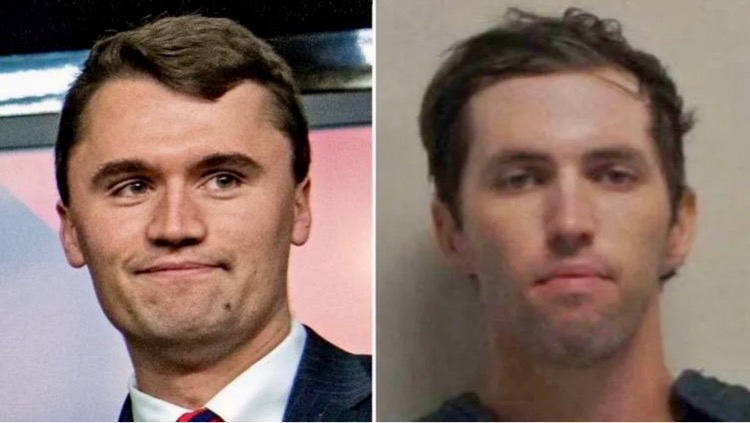
Left: Charlie Kirk, Right: Tyler Robinson (via AP/Utah Governor’s Office)
PROVO, UT —Tyler Robinson’s lawyers are trying to block electronic media coverage of his Sept. 1 preliminary hearing in the Charlie Kirk killing case, arguing that a cramped courtroom and the pressure of cameras could tilt a closely watched proceeding before testimony even begins.
ABC4 reported the defense filed formal opposition to electronic media coverage orders for the hearing, arguing the courtroom is already congested and warning that expanded coverage could create unfair prejudice. In a separate same-case development, WFLA reported that an independent arbitrator ordered The Washington Post to reinstate columnist Karen Attiah after the paper fired her over social posts written after Charlie Kirk’s killing.
The media-access motion is the more direct case development because it could shape how much of Robinson’s preliminary hearing the public actually sees on Sept. 1. Fights over cameras and courtroom access can determine whether a high-profile hearing becomes a mostly paper-driven proceeding or a public-facing moment that fixes certain arguments and evidence in the public mind early.
Robinson is accused in the fatal shooting of Kirk during a public appearance at Utah Valley University last year. The case has already generated a steady series of courtroom disputes over evidence, public access and how aggressively both sides can frame the narrative before trial.
The Attiah ruling does not change the criminal allegations against Robinson, but it does show how the fallout from Kirk’s killing is still rippling outward in media and institutional settings well beyond Utah. For now, the immediate question is whether the judge allows broader camera coverage when the preliminary hearing opens Sept. 1.
Presumption of Innocence: A presumption of innocence means that any defendant in a criminal trial is presumed to be innocent until they have been proven guilty beyond a reasonable doubt in a court of law. The defendant in this case is only accused of the charges set forth in the criminal complaint. They are innocent until proven guilty.
Editor Picks





Latest Articles




Tyler Robinson Defense Moves to Block Media Coverage of Sept. 1 Hearing
Tyler Robinson’s lawyers are trying to block electronic media coverage of his Sept. 1 preliminary hearing in the Charlie Kirk killing case.
By Shawn Fletcher
Published: August 25, 2026 9:18 pm ET
Left: Charlie Kirk, Right: Tyler Robinson (via AP/Utah Governor’s Office)
PROVO, UT —Tyler Robinson’s lawyers are trying to block electronic media coverage of his Sept. 1 preliminary hearing in the Charlie Kirk killing case, arguing that a cramped courtroom and the pressure of cameras could tilt a closely watched proceeding before testimony even begins.
ABC4 reported the defense filed formal opposition to electronic media coverage orders for the hearing, arguing the courtroom is already congested and warning that expanded coverage could create unfair prejudice. In a separate same-case development, WFLA reported that an independent arbitrator ordered The Washington Post to reinstate columnist Karen Attiah after the paper fired her over social posts written after Charlie Kirk’s killing.
The media-access motion is the more direct case development because it could shape how much of Robinson’s preliminary hearing the public actually sees on Sept. 1. Fights over cameras and courtroom access can determine whether a high-profile hearing becomes a mostly paper-driven proceeding or a public-facing moment that fixes certain arguments and evidence in the public mind early.
Robinson is accused in the fatal shooting of Kirk during a public appearance at Utah Valley University last year. The case has already generated a steady series of courtroom disputes over evidence, public access and how aggressively both sides can frame the narrative before trial.
The Attiah ruling does not change the criminal allegations against Robinson, but it does show how the fallout from Kirk’s killing is still rippling outward in media and institutional settings well beyond Utah. For now, the immediate question is whether the judge allows broader camera coverage when the preliminary hearing opens Sept. 1.
Presumption of Innocence: A presumption of innocence means that any defendant in a criminal trial is presumed to be innocent until they have been proven guilty beyond a reasonable doubt in a court of law. The defendant in this case is only accused of the charges set forth in the criminal complaint. They are innocent until proven guilty.
Editor's Note: ThePo makes every effort to accurately transcribe the contents of affidavits of probable cause contained in criminal complaints. Often, the complaints themselves are copies of copies of faxed copies, and are difficult to read. To confirm the accuracy of our transcription, contact the Magisterial District Court listed above and request a copy of the criminal complaint. It's a public record to which you are entitled.
Must Read
Editor Picks
Latest Articles
Tyler Robinson Defense Moves to Block Media Coverage of Sept. 1 Hearing
Tyler Robinson’s lawyers are trying to block electronic media coverage of his Sept. 1 preliminary hearing in the Charlie Kirk killing case.
By Shawn Fletcher
Published: August 25, 2026 9:18 pm ET
Left: Charlie Kirk, Right: Tyler Robinson (via AP/Utah Governor’s Office)
PROVO, UT —Tyler Robinson’s lawyers are trying to block electronic media coverage of his Sept. 1 preliminary hearing in the Charlie Kirk killing case, arguing that a cramped courtroom and the pressure of cameras could tilt a closely watched proceeding before testimony even begins.
ABC4 reported the defense filed formal opposition to electronic media coverage orders for the hearing, arguing the courtroom is already congested and warning that expanded coverage could create unfair prejudice. In a separate same-case development, WFLA reported that an independent arbitrator ordered The Washington Post to reinstate columnist Karen Attiah after the paper fired her over social posts written after Charlie Kirk’s killing.
The media-access motion is the more direct case development because it could shape how much of Robinson’s preliminary hearing the public actually sees on Sept. 1. Fights over cameras and courtroom access can determine whether a high-profile hearing becomes a mostly paper-driven proceeding or a public-facing moment that fixes certain arguments and evidence in the public mind early.
Robinson is accused in the fatal shooting of Kirk during a public appearance at Utah Valley University last year. The case has already generated a steady series of courtroom disputes over evidence, public access and how aggressively both sides can frame the narrative before trial.
The Attiah ruling does not change the criminal allegations against Robinson, but it does show how the fallout from Kirk’s killing is still rippling outward in media and institutional settings well beyond Utah. For now, the immediate question is whether the judge allows broader camera coverage when the preliminary hearing opens Sept. 1.
Presumption of Innocence: A presumption of innocence means that any defendant in a criminal trial is presumed to be innocent until they have been proven guilty beyond a reasonable doubt in a court of law. The defendant in this case is only accused of the charges set forth in the criminal complaint. They are innocent until proven guilty.
Editor's Note: ThePo makes every effort to accurately transcribe the contents of affidavits of probable cause contained in criminal complaints. Often, the complaints themselves are copies of copies of faxed copies, and are difficult to read. To confirm the accuracy of our transcription, contact the Magisterial District Court listed above and request a copy of the criminal complaint. It's a public record to which you are entitled.
Must Read
