

Topline: Nearly 30 years after Tupac Shakur was killed in Las Vegas, the only man charged in the case is now waiting for jurors to decide his fate.
Published: September 3, 2026 7:04 am ET

Must Read
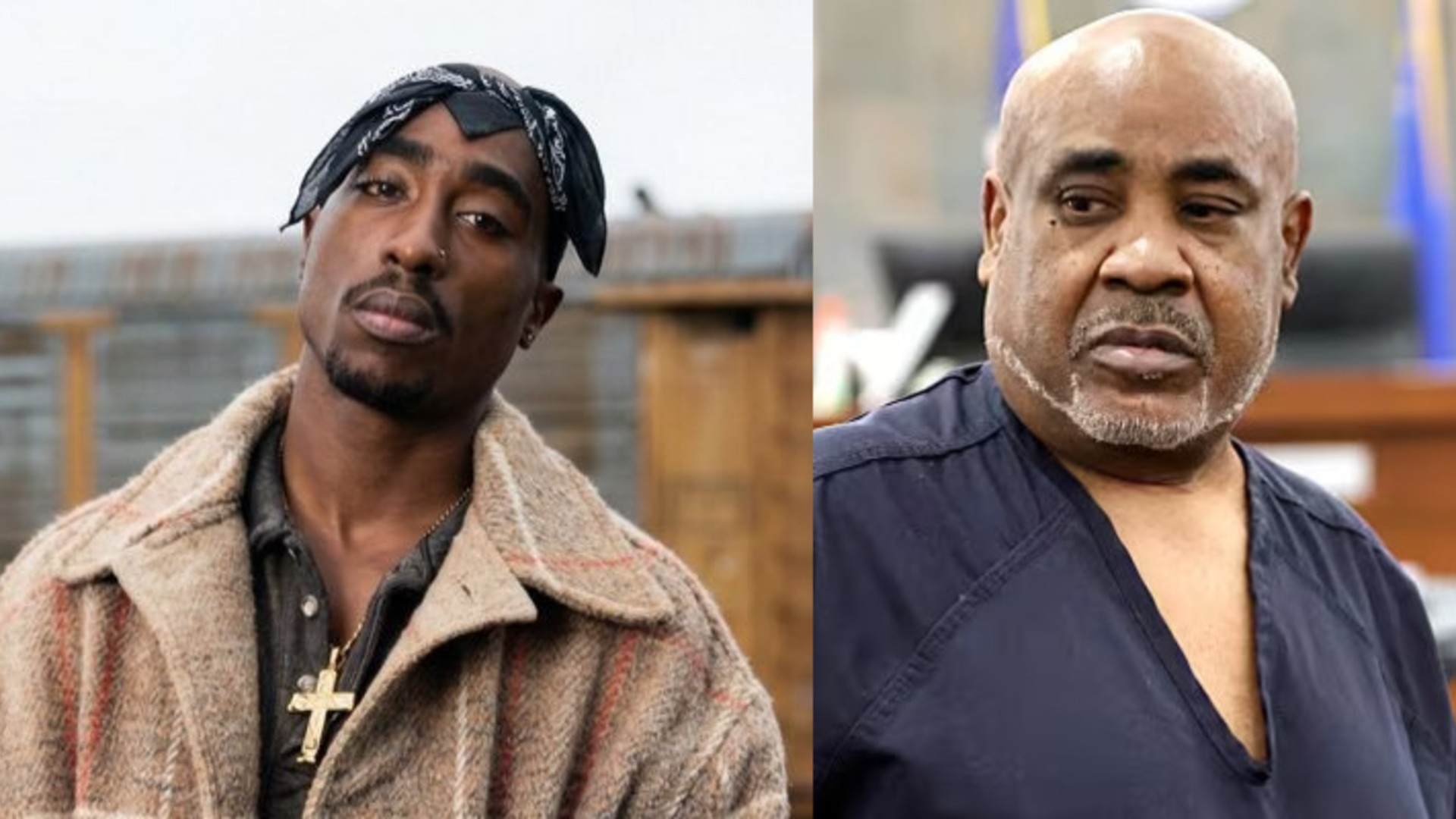
Tupac Shakur, left, and Duane “Keffe D” Davis
LAS VEGAS, NV — Nearly 30 years after Tupac Shakur was gunned down off the Las Vegas Strip, jurors heard closing arguments Monday in the murder trial of Duane “Keffe D” Davis, the only person ever charged in the rapper’s killing.
According to reporting from News4JAX and 8 News Now, the case against Davis went to its final phase after nine days of testimony from detectives, former gang associates and other witnesses, with the judge also preparing the jury instructions before deliberations.
Prosecutors say Davis orchestrated the Sept. 7, 1996 shooting after a fight involving Orlando “Baby Lane” Anderson, arguing that Davis acted as the “shot caller” in the retaliation. They have leaned heavily on Davis’ own past statements, including interviews and passages tied to his memoir, to argue that he admitted his role in the attack.
Defense attorney Michael Sanft argued there is no physical evidence tying Davis to the killing and said his statements over the years were inconsistent, unreliable and not enough to convict him beyond a reasonable doubt. The defense rested last week after calling three law enforcement witnesses, and Davis did not testify.
The trial has revisited the night Shakur was riding in a black BMW driven by Marion “Suge” Knight when a Cadillac pulled alongside and gunfire erupted. Knight survived his wounds, but Shakur died a week later at age 25. Davis was indicted in 2023, and if jurors convict him of murder, he could face life in prison at sentencing.
Presumption of Innocence: A presumption of innocence means that any defendant in a criminal trial is presumed to be innocent until they have been proven guilty beyond a reasonable doubt in a court of law. The defendant in this case is only accused of the charges set forth in the criminal complaint. They are innocent until proven guilty.
Editor Picks





Latest Articles



Closing Arguments Begin in Tupac Shakur Murder Trial
Nearly 30 years after Tupac Shakur was killed in Las Vegas, the only man charged in the case is now waiting for jurors to decide his fate.
By Silvia Torres
Published: September 3, 2026 7:04 am ET
Tupac Shakur, left, and Duane “Keffe D” Davis
LAS VEGAS, NV — Nearly 30 years after Tupac Shakur was gunned down off the Las Vegas Strip, jurors heard closing arguments Monday in the murder trial of Duane “Keffe D” Davis, the only person ever charged in the rapper’s killing.
According to reporting from News4JAX and 8 News Now, the case against Davis went to its final phase after nine days of testimony from detectives, former gang associates and other witnesses, with the judge also preparing the jury instructions before deliberations.
Prosecutors say Davis orchestrated the Sept. 7, 1996 shooting after a fight involving Orlando “Baby Lane” Anderson, arguing that Davis acted as the “shot caller” in the retaliation. They have leaned heavily on Davis’ own past statements, including interviews and passages tied to his memoir, to argue that he admitted his role in the attack.
Defense attorney Michael Sanft argued there is no physical evidence tying Davis to the killing and said his statements over the years were inconsistent, unreliable and not enough to convict him beyond a reasonable doubt. The defense rested last week after calling three law enforcement witnesses, and Davis did not testify.
The trial has revisited the night Shakur was riding in a black BMW driven by Marion “Suge” Knight when a Cadillac pulled alongside and gunfire erupted. Knight survived his wounds, but Shakur died a week later at age 25. Davis was indicted in 2023, and if jurors convict him of murder, he could face life in prison at sentencing.
Presumption of Innocence: A presumption of innocence means that any defendant in a criminal trial is presumed to be innocent until they have been proven guilty beyond a reasonable doubt in a court of law. The defendant in this case is only accused of the charges set forth in the criminal complaint. They are innocent until proven guilty.
Editor's Note: ThePo makes every effort to accurately transcribe the contents of affidavits of probable cause contained in criminal complaints. Often, the complaints themselves are copies of copies of faxed copies, and are difficult to read. To confirm the accuracy of our transcription, contact the Magisterial District Court listed above and request a copy of the criminal complaint. It's a public record to which you are entitled.
Must Read
Editor Picks
Latest Articles
Closing Arguments Begin in Tupac Shakur Murder Trial
Nearly 30 years after Tupac Shakur was killed in Las Vegas, the only man charged in the case is now waiting for jurors to decide his fate.
By Silvia Torres
Published: September 3, 2026 7:04 am ET
Tupac Shakur, left, and Duane “Keffe D” Davis
LAS VEGAS, NV — Nearly 30 years after Tupac Shakur was gunned down off the Las Vegas Strip, jurors heard closing arguments Monday in the murder trial of Duane “Keffe D” Davis, the only person ever charged in the rapper’s killing.
According to reporting from News4JAX and 8 News Now, the case against Davis went to its final phase after nine days of testimony from detectives, former gang associates and other witnesses, with the judge also preparing the jury instructions before deliberations.
Prosecutors say Davis orchestrated the Sept. 7, 1996 shooting after a fight involving Orlando “Baby Lane” Anderson, arguing that Davis acted as the “shot caller” in the retaliation. They have leaned heavily on Davis’ own past statements, including interviews and passages tied to his memoir, to argue that he admitted his role in the attack.
Defense attorney Michael Sanft argued there is no physical evidence tying Davis to the killing and said his statements over the years were inconsistent, unreliable and not enough to convict him beyond a reasonable doubt. The defense rested last week after calling three law enforcement witnesses, and Davis did not testify.
The trial has revisited the night Shakur was riding in a black BMW driven by Marion “Suge” Knight when a Cadillac pulled alongside and gunfire erupted. Knight survived his wounds, but Shakur died a week later at age 25. Davis was indicted in 2023, and if jurors convict him of murder, he could face life in prison at sentencing.
Presumption of Innocence: A presumption of innocence means that any defendant in a criminal trial is presumed to be innocent until they have been proven guilty beyond a reasonable doubt in a court of law. The defendant in this case is only accused of the charges set forth in the criminal complaint. They are innocent until proven guilty.
Editor's Note: ThePo makes every effort to accurately transcribe the contents of affidavits of probable cause contained in criminal complaints. Often, the complaints themselves are copies of copies of faxed copies, and are difficult to read. To confirm the accuracy of our transcription, contact the Magisterial District Court listed above and request a copy of the criminal complaint. It's a public record to which you are entitled.
Must Read
