

Topline: Daniel Conahan’s September 10 execution date followed a single murder conviction, while other killings linked by investigators remained uncharged.
Published: September 11, 2026 4:04 pm ET

Randy Shaw
I cut my teeth in journalism when I began looking into what I saw as abuses of power in my local government. From then on, I was hooked on the dopamine rush of uncovering information.
Must Read
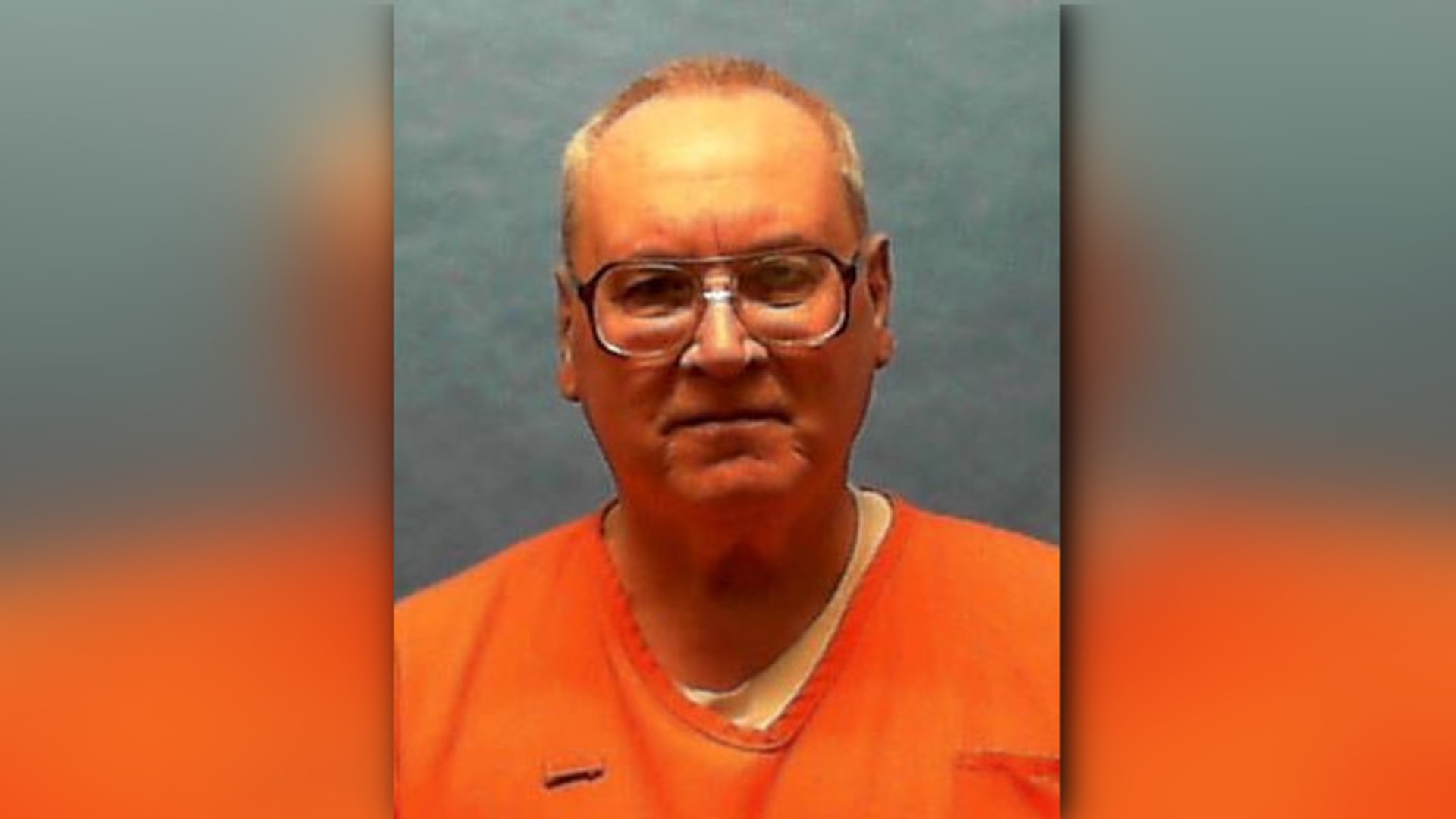
Daniel Owen Conahan Jr. (via Florida Department of Corrections)
PUNTA GORDA, FL — The U.S. Supreme Court denied Daniel Owen Conahan Jr.’s request to halt his execution September 10, leaving his death sentence for Richard Allen Montgomery’s 1996 murder intact.
The court’s order rejected both a stay and review of his case. His execution was scheduled for 6 p.m. September 10, according to his stay application. This report does not confirm that it was carried out.
Conahan, 72, received his only homicide conviction in Montgomery’s case. The Associated Press reported that investigators suspected connections to other deaths but brought no additional homicide charges.
The Evidence in Montgomery’s Killing
According to the Florida Supreme Court’s September 3 opinion, Montgomery told his mother someone had offered him $200 for nude photographs. His body was found April 17, 1996, in woods, with injuries consistent with being restrained against a tree. He had been strangled and mutilated.
Trial evidence included a paint chip indistinguishable from paint on a car Conahan used, and purchases of clothesline, film, pliers and a utility knife the previous evening. No recovered crime-scene items contained his DNA. A judge convicted him of first-degree murder and kidnapping; a penalty-phase jury unanimously recommended death.
Other Bodies, No Additional Murder Charges
AP reported that hunters discovered the first body in February 1994; at least five more followed over three years. The swampy Charlotte County locations gave the “Hog Trail Murders” their name. Investigators believed homeless men were targeted and deaths within a 10-mile radius shared a killer.
A jailed car thief’s account of escaping a nude-photo offer after spotting a knife helped direct detectives toward Conahan. Another man reported being tied to a tree and nearly strangled. Conahan’s July 1996 attempted-murder arrest preceded the Montgomery charge; his murder conviction came in August 1999.
In 2007, surveyors found eight bodies in Fort Myers. Four identified victims were homeless; authorities reported injuries resembling the Charlotte County cases and named Conahan a person of interest.
The DNA Appeal
The state court rejected further DNA testing September 3. Conahan argued newer testing could identify another contributor. The court said third-party DNA was already known at trial and identification would not reasonably change the outcome.
AP reported the scheduled lethal injection would be Florida’s 15th execution of 2026. Florida accounted for 19 of 47 U.S. executions in 2025.
Presumption of Innocence: A presumption of innocence means that any defendant in a criminal trial is presumed to be innocent until they have been proven guilty beyond a reasonable doubt in a court of law. The defendant in this case is only accused of the charges set forth in the criminal complaint. They are innocent until proven guilty.
Editor Picks





Latest Articles




Supreme Court Rejects Daniel Conahan’s Appeal in ‘Hog Trail Murders’ Case
Daniel Conahan’s September 10 execution date followed a single murder conviction, while other killings linked by investigators remained uncharged.
By Randy Shaw
Published: September 11, 2026 4:04 pm ET
Daniel Owen Conahan Jr. (via Florida Department of Corrections)
PUNTA GORDA, FL — The U.S. Supreme Court denied Daniel Owen Conahan Jr.’s request to halt his execution September 10, leaving his death sentence for Richard Allen Montgomery’s 1996 murder intact.
The court’s order rejected both a stay and review of his case. His execution was scheduled for 6 p.m. September 10, according to his stay application. This report does not confirm that it was carried out.
Conahan, 72, received his only homicide conviction in Montgomery’s case. The Associated Press reported that investigators suspected connections to other deaths but brought no additional homicide charges.
The Evidence in Montgomery’s Killing
According to the Florida Supreme Court’s September 3 opinion, Montgomery told his mother someone had offered him $200 for nude photographs. His body was found April 17, 1996, in woods, with injuries consistent with being restrained against a tree. He had been strangled and mutilated.
Trial evidence included a paint chip indistinguishable from paint on a car Conahan used, and purchases of clothesline, film, pliers and a utility knife the previous evening. No recovered crime-scene items contained his DNA. A judge convicted him of first-degree murder and kidnapping; a penalty-phase jury unanimously recommended death.
Other Bodies, No Additional Murder Charges
AP reported that hunters discovered the first body in February 1994; at least five more followed over three years. The swampy Charlotte County locations gave the “Hog Trail Murders” their name. Investigators believed homeless men were targeted and deaths within a 10-mile radius shared a killer.
A jailed car thief’s account of escaping a nude-photo offer after spotting a knife helped direct detectives toward Conahan. Another man reported being tied to a tree and nearly strangled. Conahan’s July 1996 attempted-murder arrest preceded the Montgomery charge; his murder conviction came in August 1999.
In 2007, surveyors found eight bodies in Fort Myers. Four identified victims were homeless; authorities reported injuries resembling the Charlotte County cases and named Conahan a person of interest.
The DNA Appeal
The state court rejected further DNA testing September 3. Conahan argued newer testing could identify another contributor. The court said third-party DNA was already known at trial and identification would not reasonably change the outcome.
AP reported the scheduled lethal injection would be Florida’s 15th execution of 2026. Florida accounted for 19 of 47 U.S. executions in 2025.
Presumption of Innocence: A presumption of innocence means that any defendant in a criminal trial is presumed to be innocent until they have been proven guilty beyond a reasonable doubt in a court of law. The defendant in this case is only accused of the charges set forth in the criminal complaint. They are innocent until proven guilty.
Editor's Note: ThePo makes every effort to accurately transcribe the contents of affidavits of probable cause contained in criminal complaints. Often, the complaints themselves are copies of copies of faxed copies, and are difficult to read. To confirm the accuracy of our transcription, contact the Magisterial District Court listed above and request a copy of the criminal complaint. It's a public record to which you are entitled.
Must Read
Editor Picks
Latest Articles
Supreme Court Rejects Daniel Conahan’s Appeal in ‘Hog Trail Murders’ Case
Daniel Conahan’s September 10 execution date followed a single murder conviction, while other killings linked by investigators remained uncharged.
By Randy Shaw
Published: September 11, 2026 4:04 pm ET
Daniel Owen Conahan Jr. (via Florida Department of Corrections)
PUNTA GORDA, FL — The U.S. Supreme Court denied Daniel Owen Conahan Jr.’s request to halt his execution September 10, leaving his death sentence for Richard Allen Montgomery’s 1996 murder intact.
The court’s order rejected both a stay and review of his case. His execution was scheduled for 6 p.m. September 10, according to his stay application. This report does not confirm that it was carried out.
Conahan, 72, received his only homicide conviction in Montgomery’s case. The Associated Press reported that investigators suspected connections to other deaths but brought no additional homicide charges.
The Evidence in Montgomery’s Killing
According to the Florida Supreme Court’s September 3 opinion, Montgomery told his mother someone had offered him $200 for nude photographs. His body was found April 17, 1996, in woods, with injuries consistent with being restrained against a tree. He had been strangled and mutilated.
Trial evidence included a paint chip indistinguishable from paint on a car Conahan used, and purchases of clothesline, film, pliers and a utility knife the previous evening. No recovered crime-scene items contained his DNA. A judge convicted him of first-degree murder and kidnapping; a penalty-phase jury unanimously recommended death.
Other Bodies, No Additional Murder Charges
AP reported that hunters discovered the first body in February 1994; at least five more followed over three years. The swampy Charlotte County locations gave the “Hog Trail Murders” their name. Investigators believed homeless men were targeted and deaths within a 10-mile radius shared a killer.
A jailed car thief’s account of escaping a nude-photo offer after spotting a knife helped direct detectives toward Conahan. Another man reported being tied to a tree and nearly strangled. Conahan’s July 1996 attempted-murder arrest preceded the Montgomery charge; his murder conviction came in August 1999.
In 2007, surveyors found eight bodies in Fort Myers. Four identified victims were homeless; authorities reported injuries resembling the Charlotte County cases and named Conahan a person of interest.
The DNA Appeal
The state court rejected further DNA testing September 3. Conahan argued newer testing could identify another contributor. The court said third-party DNA was already known at trial and identification would not reasonably change the outcome.
AP reported the scheduled lethal injection would be Florida’s 15th execution of 2026. Florida accounted for 19 of 47 U.S. executions in 2025.
Presumption of Innocence: A presumption of innocence means that any defendant in a criminal trial is presumed to be innocent until they have been proven guilty beyond a reasonable doubt in a court of law. The defendant in this case is only accused of the charges set forth in the criminal complaint. They are innocent until proven guilty.
Editor's Note: ThePo makes every effort to accurately transcribe the contents of affidavits of probable cause contained in criminal complaints. Often, the complaints themselves are copies of copies of faxed copies, and are difficult to read. To confirm the accuracy of our transcription, contact the Magisterial District Court listed above and request a copy of the criminal complaint. It's a public record to which you are entitled.
Must Read
