

Topline: Elizabeth Feaster’s grandmother is urging Oklahoma lawmakers to strengthen visitation safeguards after the 6-year-old was killed during a court-ordered overnight visit.
Published: September 24, 2026 11:34 am ET

Randy Shaw
I cut my teeth in journalism when I began looking into what I saw as abuses of power in my local government. From then on, I was hooked on the dopamine rush of uncovering information.
Must Read
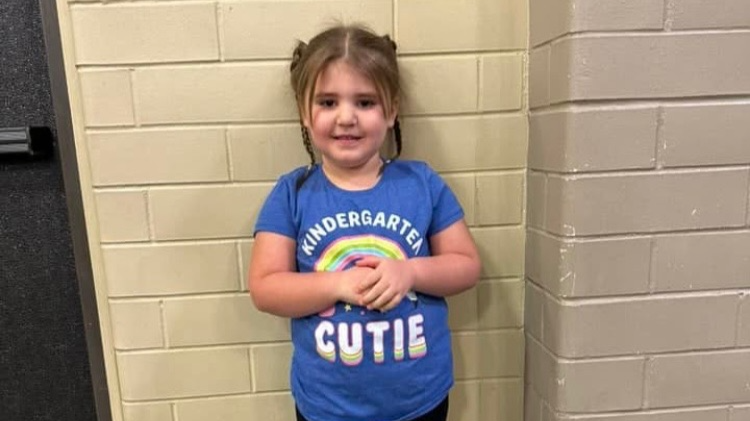
Elizabeth Feaster (via GoFundMe)
OKLAHOMA CITY, OK — The grandmother of a 6-year-old girl killed during court-ordered visitation is asking Oklahoma lawmakers to strengthen protections for children, bringing her granddaughter’s death into a legislative review of the state’s visitation system.
State Sen. Carri Hicks hosted an interim study Monday examining possible gaps in those protections, KFOR reported. Elizabeth “Lizzie” Feaster’s grandmother, Jill Walsh, testified alongside professionals involved in child welfare, the courts and domestic violence prevention.
KFOR reported that Elizabeth’s father, Billy Feaster, killed her last summer before turning the gun on himself. Walsh told lawmakers that he shot Elizabeth in the back in her grandmother’s backyard during court-ordered, supervised overnight visitation.
Walsh said the family had trusted the courts and the Oklahoma Department of Human Services to protect the children. She testified that their father had been granted overnight visitation despite not participating in any of the tasks required of him.
“That should never have been an option,” Walsh said.
She urged lawmakers to establish clear supervision standards, warning that supervision without them can be inconsistent or ineffective and leave children exposed to harm. Her testimony challenged whether a visitation arrangement described as supervised actually provided Elizabeth a safe place away from her abuser.
Walsh also described the child beyond the circumstances of her death. Elizabeth loved ice cream, popsicles and blue Ring Pops. She was looking forward to second grade and eager to lose a loose tooth. Walsh said her granddaughter was 6 years, 10 months and seven days old when she was killed.
Hicks said reviewing case files raised concerns about possible loopholes, gaps or recurring problems in protecting vulnerable children. She sought the study to bring together people working across DHS and the judicial system to examine whether the state was doing everything within its authority to keep children safe.
Special judges, child welfare professionals, DHS officials and domestic violence awareness professionals discussed Oklahoma’s existing visitation practices. Hicks described the interim study as an opportunity to identify areas of agreement and disagreement and determine how to proceed.
The hearing was an examination of potential changes, not an announcement of new safeguards. KFOR’s report did not identify a resulting bill or revised supervision standard.
Presumption of Innocence: A presumption of innocence means that any defendant in a criminal trial is presumed to be innocent until they have been proven guilty beyond a reasonable doubt in a court of law. The defendant in this case is only accused of the charges set forth in the criminal complaint. They are innocent until proven guilty.
If you are experiencing domestic abuse, you are not alone. Help is available. Call the National Domestic Violence Hotline at 800-799-7233 or text "START" to 88788 to connect with trained advocates 24/7. Support is free, confidential, and available in over 200 languages. You can also visit thehotline.org for more information and resources.
Editor Picks





Latest Articles




Grandmother Seeks Safer Visitation Rules After 6-Year-Old Elizabeth Feaster’s Killing
Elizabeth Feaster’s grandmother is urging Oklahoma lawmakers to strengthen visitation safeguards after the 6-year-old was killed during a court-ordered overnight visit.
By Randy Shaw
Published: September 24, 2026 11:34 am ET
Elizabeth Feaster (via GoFundMe)
OKLAHOMA CITY, OK — The grandmother of a 6-year-old girl killed during court-ordered visitation is asking Oklahoma lawmakers to strengthen protections for children, bringing her granddaughter’s death into a legislative review of the state’s visitation system.
State Sen. Carri Hicks hosted an interim study Monday examining possible gaps in those protections, KFOR reported. Elizabeth “Lizzie” Feaster’s grandmother, Jill Walsh, testified alongside professionals involved in child welfare, the courts and domestic violence prevention.
KFOR reported that Elizabeth’s father, Billy Feaster, killed her last summer before turning the gun on himself. Walsh told lawmakers that he shot Elizabeth in the back in her grandmother’s backyard during court-ordered, supervised overnight visitation.
Walsh said the family had trusted the courts and the Oklahoma Department of Human Services to protect the children. She testified that their father had been granted overnight visitation despite not participating in any of the tasks required of him.
“That should never have been an option,” Walsh said.
She urged lawmakers to establish clear supervision standards, warning that supervision without them can be inconsistent or ineffective and leave children exposed to harm. Her testimony challenged whether a visitation arrangement described as supervised actually provided Elizabeth a safe place away from her abuser.
Walsh also described the child beyond the circumstances of her death. Elizabeth loved ice cream, popsicles and blue Ring Pops. She was looking forward to second grade and eager to lose a loose tooth. Walsh said her granddaughter was 6 years, 10 months and seven days old when she was killed.
Hicks said reviewing case files raised concerns about possible loopholes, gaps or recurring problems in protecting vulnerable children. She sought the study to bring together people working across DHS and the judicial system to examine whether the state was doing everything within its authority to keep children safe.
Special judges, child welfare professionals, DHS officials and domestic violence awareness professionals discussed Oklahoma’s existing visitation practices. Hicks described the interim study as an opportunity to identify areas of agreement and disagreement and determine how to proceed.
The hearing was an examination of potential changes, not an announcement of new safeguards. KFOR’s report did not identify a resulting bill or revised supervision standard.
Presumption of Innocence: A presumption of innocence means that any defendant in a criminal trial is presumed to be innocent until they have been proven guilty beyond a reasonable doubt in a court of law. The defendant in this case is only accused of the charges set forth in the criminal complaint. They are innocent until proven guilty.
Editor's Note: ThePo makes every effort to accurately transcribe the contents of affidavits of probable cause contained in criminal complaints. Often, the complaints themselves are copies of copies of faxed copies, and are difficult to read. To confirm the accuracy of our transcription, contact the Magisterial District Court listed above and request a copy of the criminal complaint. It's a public record to which you are entitled.
If you are experiencing domestic abuse, you are not alone. Help is available. Call the National Domestic Violence Hotline at 800-799-7233 or text "START" to 88788 to connect with trained advocates 24/7. Support is free, confidential, and available in over 200 languages. You can also visit thehotline.org for more information and resources.
Must Read
Editor Picks
Latest Articles
Grandmother Seeks Safer Visitation Rules After 6-Year-Old Elizabeth Feaster’s Killing
Elizabeth Feaster’s grandmother is urging Oklahoma lawmakers to strengthen visitation safeguards after the 6-year-old was killed during a court-ordered overnight visit.
By Randy Shaw
Published: September 24, 2026 11:34 am ET
Elizabeth Feaster (via GoFundMe)
OKLAHOMA CITY, OK — The grandmother of a 6-year-old girl killed during court-ordered visitation is asking Oklahoma lawmakers to strengthen protections for children, bringing her granddaughter’s death into a legislative review of the state’s visitation system.
State Sen. Carri Hicks hosted an interim study Monday examining possible gaps in those protections, KFOR reported. Elizabeth “Lizzie” Feaster’s grandmother, Jill Walsh, testified alongside professionals involved in child welfare, the courts and domestic violence prevention.
KFOR reported that Elizabeth’s father, Billy Feaster, killed her last summer before turning the gun on himself. Walsh told lawmakers that he shot Elizabeth in the back in her grandmother’s backyard during court-ordered, supervised overnight visitation.
Walsh said the family had trusted the courts and the Oklahoma Department of Human Services to protect the children. She testified that their father had been granted overnight visitation despite not participating in any of the tasks required of him.
“That should never have been an option,” Walsh said.
She urged lawmakers to establish clear supervision standards, warning that supervision without them can be inconsistent or ineffective and leave children exposed to harm. Her testimony challenged whether a visitation arrangement described as supervised actually provided Elizabeth a safe place away from her abuser.
Walsh also described the child beyond the circumstances of her death. Elizabeth loved ice cream, popsicles and blue Ring Pops. She was looking forward to second grade and eager to lose a loose tooth. Walsh said her granddaughter was 6 years, 10 months and seven days old when she was killed.
Hicks said reviewing case files raised concerns about possible loopholes, gaps or recurring problems in protecting vulnerable children. She sought the study to bring together people working across DHS and the judicial system to examine whether the state was doing everything within its authority to keep children safe.
Special judges, child welfare professionals, DHS officials and domestic violence awareness professionals discussed Oklahoma’s existing visitation practices. Hicks described the interim study as an opportunity to identify areas of agreement and disagreement and determine how to proceed.
The hearing was an examination of potential changes, not an announcement of new safeguards. KFOR’s report did not identify a resulting bill or revised supervision standard.
Presumption of Innocence: A presumption of innocence means that any defendant in a criminal trial is presumed to be innocent until they have been proven guilty beyond a reasonable doubt in a court of law. The defendant in this case is only accused of the charges set forth in the criminal complaint. They are innocent until proven guilty.
Editor's Note: ThePo makes every effort to accurately transcribe the contents of affidavits of probable cause contained in criminal complaints. Often, the complaints themselves are copies of copies of faxed copies, and are difficult to read. To confirm the accuracy of our transcription, contact the Magisterial District Court listed above and request a copy of the criminal complaint. It's a public record to which you are entitled.
If you are experiencing domestic abuse, you are not alone. Help is available. Call the National Domestic Violence Hotline at 800-799-7233 or text "START" to 88788 to connect with trained advocates 24/7. Support is free, confidential, and available in over 200 languages. You can also visit thehotline.org for more information and resources.
Must Read
