

Topline: Christa Pike survived two doses of an execution drug, prompting Tennessee’s governor to halt scheduled executions and order an independent review.
Published: October 2, 2026 7:04 am ET

Randy Shaw
I cut my teeth in journalism when I began looking into what I saw as abuses of power in my local government. From then on, I was hooked on the dopamine rush of uncovering information.
Must Read
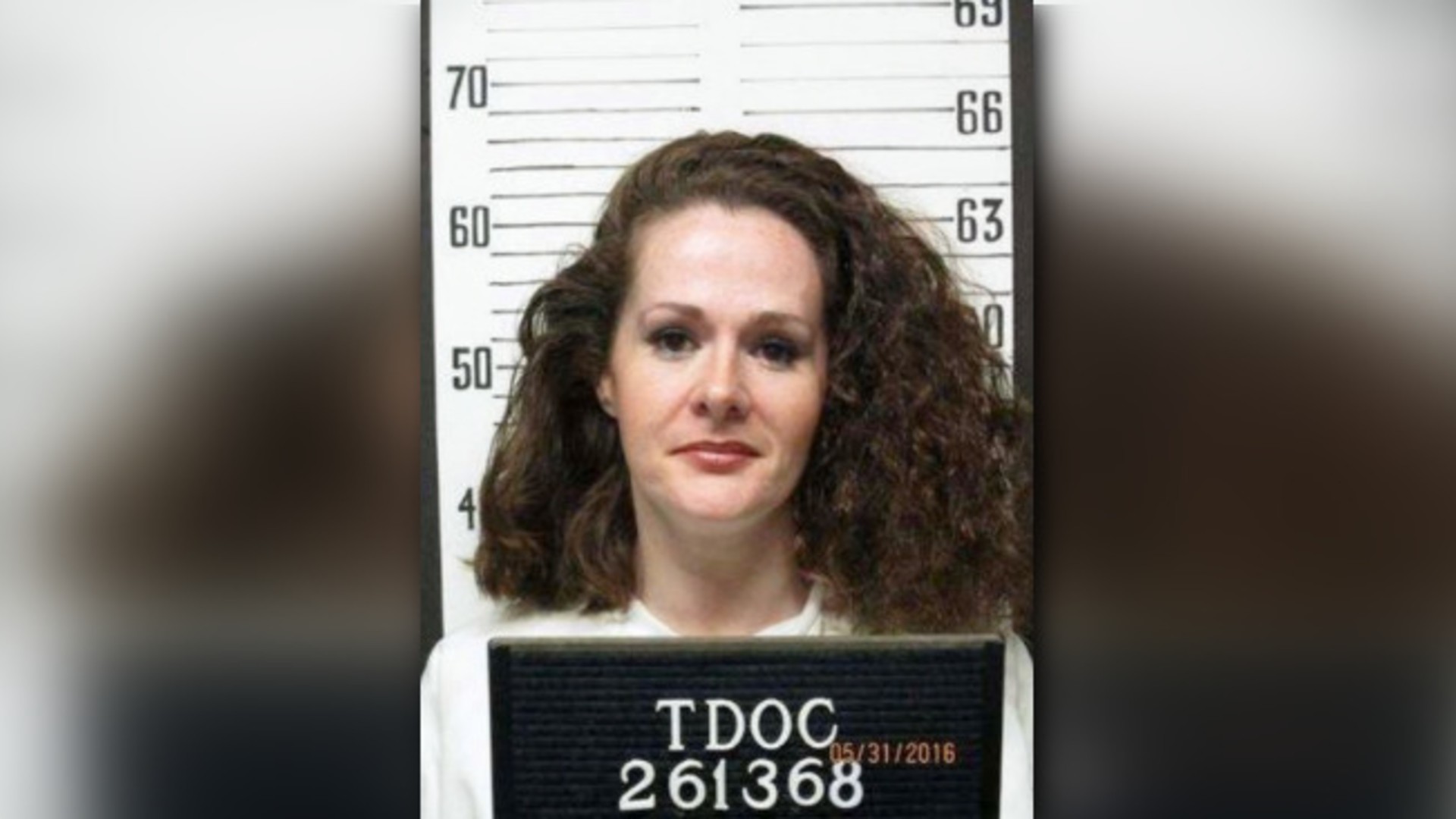
Christa Gail Pike (via Tennessee Department of Correction)
NASHVILLE, TN — Tennessee Gov. Bill Lee has indefinitely postponed two executions and ordered an independent review after Christa Gail Pike survived two doses of a lethal injection drug during the state’s attempt to execute her Sept. 30.
Pike, 50, was in critical condition and receiving lifesaving hospital care Thursday, her lawyers said, according to updated Associated Press reporting published by WPRI. The failed execution has brought renewed scrutiny to Tennessee’s procedures, including a protocol that provides for a second dose but does not specify what happens if that dose also fails.
Two Doses and an Emergency Hospital Transfer
Pike’s execution had been scheduled for 10 a.m. Wednesday. An appeals court issued a stay about an hour beforehand, but the U.S. Supreme Court overturned it hours later.
Media witnesses said the execution chamber curtains opened at 7:27 p.m., revealing Pike strapped to a gurney, according to the AP account published by WSVN. In her final statement, she described herself as at peace and ready to be free.
Pike remained awake and asked whether her arm was supposed to feel that way. The timing of the first injection was unclear because officials do not announce when they administer the drug. Curtains closed, suggesting five minutes had passed since the first dose, then reopened three minutes later.
Witnesses reported that a second dose of pentobarbital was administered about an hour after the curtains first opened. Nearly 30 minutes later, Pike could still be heard snoring behind the closed curtain before officials cut the microphone. She was subsequently taken to a hospital by ambulance.
Her attorneys filed emergency motions in three courts. In their Tennessee Supreme Court filing, they argued that the procedure was causing unnecessary suffering and violated the constitutional prohibition against cruel and unusual punishment.
Lawyers Describe Difficulty Placing IV Lines
Attorney Steve Ferrell said Pike had feared complications because a lifelong blood disorder made accessing her veins difficult. Attorney Randy Spivey said he counted at least seven needles used in her left arm alone and said Pike cooperated with staff, repeatedly suggesting they try higher on her shoulder.
At a Thursday news conference, her attorneys said they had been told she was in critical condition but lacked detailed information about her health or prognosis. They characterized the execution attempt as torture, sought commutation of her death sentence and said an independent review would not be sufficient.
Governor Orders Review as Prison Officials Defend Procedure
Lee called the failed execution deeply disturbing and ordered a comprehensive third-party examination. He indefinitely postponed both Pike’s execution and the only other Tennessee execution still scheduled for 2026.
The governor said Thursday morning that few answers were available and that he had not received an update on Pike’s condition. He said it appeared prison employees had followed procedure. The Tennessee Department of Correction likewise maintained that staff followed every step of the state’s protocol, which had been approved by the attorney general’s office.
That protocol calls for a backup set of drug syringes when the first does not cause death, but offers no instructions for a person who survives the second set, WSVN reported. The reporting did not establish why the drugs failed to kill Pike.
Robin M. Maher, executive director of the Death Penalty Information Center, described the outcome as unprecedented. She said seven other people had survived execution attempts involving failures to access a vein, but distinguished those cases from surviving administration of the execution drugs and being transferred to a hospital.
A Second Failed Tennessee Execution Attempt This Year
In May, Tennessee abandoned Tony Carruthers’ execution after staff spent more than an hour unsuccessfully trying to find a vein for a backup IV line. No execution drugs were administered. Carruthers had been convicted of kidnapping and killing three people in 1994.
Tennessee announced in 2024 that it would replace its three-drug lethal injection method with pentobarbital alone. That change followed a pause lasting more than two years after officials abruptly halted Oscar Smith’s execution and acknowledged failures to ensure proper drug testing.
Pentobarbital has been used by other states and the federal government, although concerns about pain and suffering have persisted. Pike would have been the 30th person executed in the United States this year and the first woman executed in Tennessee in more than two centuries. AP reported that executions have declined sharply since the century began, despite nearly doubling last year amid a record increase in Florida.
The Murder of Colleen Slemmer
Pike was sentenced to death for helping kill Colleen Slemmer, a 19-year-old classmate, in 1995, when Pike was 18. Pike and her boyfriend were convicted in the fatal stabbing. A pentagram carved into Slemmer’s body fueled fears of Satan worship surrounding the case.
Her boyfriend was 17 at the time, making him ineligible for the death penalty. He received a life sentence and was denied parole last year.
Pike did not deny her role in the killing. Supporters seeking clemency pointed to her age at the time, mental illness and allegations that she had suffered severe sexual abuse. She was diagnosed with bipolar disorder and post-traumatic stress disorder after the murder and has said it took years to understand the gravity of her actions.
Slemmer’s mother, May Martinez, traveled to Nashville to witness the execution. She told NBC News the attempt was a mess. As of Thursday’s reporting, Pike’s prognosis and the cause of the failed execution remained unresolved.
Presumption of Innocence: A presumption of innocence means that any defendant in a criminal trial is presumed to be innocent until they have been proven guilty beyond a reasonable doubt in a court of law. The defendant in this case is only accused of the charges set forth in the criminal complaint. They are innocent until proven guilty.
Editor Picks





Latest Articles




Tennessee Halts Executions After Christa Pike Survives Two Lethal Drug Doses
Christa Pike survived two doses of an execution drug, prompting Tennessee’s governor to halt scheduled executions and order an independent review.
By Randy Shaw
Published: October 2, 2026 7:04 am ET
Christa Gail Pike (via Tennessee Department of Correction)
NASHVILLE, TN — Tennessee Gov. Bill Lee has indefinitely postponed two executions and ordered an independent review after Christa Gail Pike survived two doses of a lethal injection drug during the state’s attempt to execute her Sept. 30.
Pike, 50, was in critical condition and receiving lifesaving hospital care Thursday, her lawyers said, according to updated Associated Press reporting published by WPRI. The failed execution has brought renewed scrutiny to Tennessee’s procedures, including a protocol that provides for a second dose but does not specify what happens if that dose also fails.
Two Doses and an Emergency Hospital Transfer
Pike’s execution had been scheduled for 10 a.m. Wednesday. An appeals court issued a stay about an hour beforehand, but the U.S. Supreme Court overturned it hours later.
Media witnesses said the execution chamber curtains opened at 7:27 p.m., revealing Pike strapped to a gurney, according to the AP account published by WSVN. In her final statement, she described herself as at peace and ready to be free.
Pike remained awake and asked whether her arm was supposed to feel that way. The timing of the first injection was unclear because officials do not announce when they administer the drug. Curtains closed, suggesting five minutes had passed since the first dose, then reopened three minutes later.
Witnesses reported that a second dose of pentobarbital was administered about an hour after the curtains first opened. Nearly 30 minutes later, Pike could still be heard snoring behind the closed curtain before officials cut the microphone. She was subsequently taken to a hospital by ambulance.
Her attorneys filed emergency motions in three courts. In their Tennessee Supreme Court filing, they argued that the procedure was causing unnecessary suffering and violated the constitutional prohibition against cruel and unusual punishment.
Lawyers Describe Difficulty Placing IV Lines
Attorney Steve Ferrell said Pike had feared complications because a lifelong blood disorder made accessing her veins difficult. Attorney Randy Spivey said he counted at least seven needles used in her left arm alone and said Pike cooperated with staff, repeatedly suggesting they try higher on her shoulder.
At a Thursday news conference, her attorneys said they had been told she was in critical condition but lacked detailed information about her health or prognosis. They characterized the execution attempt as torture, sought commutation of her death sentence and said an independent review would not be sufficient.
Governor Orders Review as Prison Officials Defend Procedure
Lee called the failed execution deeply disturbing and ordered a comprehensive third-party examination. He indefinitely postponed both Pike’s execution and the only other Tennessee execution still scheduled for 2026.
The governor said Thursday morning that few answers were available and that he had not received an update on Pike’s condition. He said it appeared prison employees had followed procedure. The Tennessee Department of Correction likewise maintained that staff followed every step of the state’s protocol, which had been approved by the attorney general’s office.
That protocol calls for a backup set of drug syringes when the first does not cause death, but offers no instructions for a person who survives the second set, WSVN reported. The reporting did not establish why the drugs failed to kill Pike.
Robin M. Maher, executive director of the Death Penalty Information Center, described the outcome as unprecedented. She said seven other people had survived execution attempts involving failures to access a vein, but distinguished those cases from surviving administration of the execution drugs and being transferred to a hospital.
A Second Failed Tennessee Execution Attempt This Year
In May, Tennessee abandoned Tony Carruthers’ execution after staff spent more than an hour unsuccessfully trying to find a vein for a backup IV line. No execution drugs were administered. Carruthers had been convicted of kidnapping and killing three people in 1994.
Tennessee announced in 2024 that it would replace its three-drug lethal injection method with pentobarbital alone. That change followed a pause lasting more than two years after officials abruptly halted Oscar Smith’s execution and acknowledged failures to ensure proper drug testing.
Pentobarbital has been used by other states and the federal government, although concerns about pain and suffering have persisted. Pike would have been the 30th person executed in the United States this year and the first woman executed in Tennessee in more than two centuries. AP reported that executions have declined sharply since the century began, despite nearly doubling last year amid a record increase in Florida.
The Murder of Colleen Slemmer
Pike was sentenced to death for helping kill Colleen Slemmer, a 19-year-old classmate, in 1995, when Pike was 18. Pike and her boyfriend were convicted in the fatal stabbing. A pentagram carved into Slemmer’s body fueled fears of Satan worship surrounding the case.
Her boyfriend was 17 at the time, making him ineligible for the death penalty. He received a life sentence and was denied parole last year.
Pike did not deny her role in the killing. Supporters seeking clemency pointed to her age at the time, mental illness and allegations that she had suffered severe sexual abuse. She was diagnosed with bipolar disorder and post-traumatic stress disorder after the murder and has said it took years to understand the gravity of her actions.
Slemmer’s mother, May Martinez, traveled to Nashville to witness the execution. She told NBC News the attempt was a mess. As of Thursday’s reporting, Pike’s prognosis and the cause of the failed execution remained unresolved.
Presumption of Innocence: A presumption of innocence means that any defendant in a criminal trial is presumed to be innocent until they have been proven guilty beyond a reasonable doubt in a court of law. The defendant in this case is only accused of the charges set forth in the criminal complaint. They are innocent until proven guilty.
Editor's Note: ThePo makes every effort to accurately transcribe the contents of affidavits of probable cause contained in criminal complaints. Often, the complaints themselves are copies of copies of faxed copies, and are difficult to read. To confirm the accuracy of our transcription, contact the Magisterial District Court listed above and request a copy of the criminal complaint. It's a public record to which you are entitled.
Must Read
Editor Picks
Latest Articles
Tennessee Halts Executions After Christa Pike Survives Two Lethal Drug Doses
Christa Pike survived two doses of an execution drug, prompting Tennessee’s governor to halt scheduled executions and order an independent review.
By Randy Shaw
Published: October 2, 2026 7:04 am ET
Christa Gail Pike (via Tennessee Department of Correction)
NASHVILLE, TN — Tennessee Gov. Bill Lee has indefinitely postponed two executions and ordered an independent review after Christa Gail Pike survived two doses of a lethal injection drug during the state’s attempt to execute her Sept. 30.
Pike, 50, was in critical condition and receiving lifesaving hospital care Thursday, her lawyers said, according to updated Associated Press reporting published by WPRI. The failed execution has brought renewed scrutiny to Tennessee’s procedures, including a protocol that provides for a second dose but does not specify what happens if that dose also fails.
Two Doses and an Emergency Hospital Transfer
Pike’s execution had been scheduled for 10 a.m. Wednesday. An appeals court issued a stay about an hour beforehand, but the U.S. Supreme Court overturned it hours later.
Media witnesses said the execution chamber curtains opened at 7:27 p.m., revealing Pike strapped to a gurney, according to the AP account published by WSVN. In her final statement, she described herself as at peace and ready to be free.
Pike remained awake and asked whether her arm was supposed to feel that way. The timing of the first injection was unclear because officials do not announce when they administer the drug. Curtains closed, suggesting five minutes had passed since the first dose, then reopened three minutes later.
Witnesses reported that a second dose of pentobarbital was administered about an hour after the curtains first opened. Nearly 30 minutes later, Pike could still be heard snoring behind the closed curtain before officials cut the microphone. She was subsequently taken to a hospital by ambulance.
Her attorneys filed emergency motions in three courts. In their Tennessee Supreme Court filing, they argued that the procedure was causing unnecessary suffering and violated the constitutional prohibition against cruel and unusual punishment.
Lawyers Describe Difficulty Placing IV Lines
Attorney Steve Ferrell said Pike had feared complications because a lifelong blood disorder made accessing her veins difficult. Attorney Randy Spivey said he counted at least seven needles used in her left arm alone and said Pike cooperated with staff, repeatedly suggesting they try higher on her shoulder.
At a Thursday news conference, her attorneys said they had been told she was in critical condition but lacked detailed information about her health or prognosis. They characterized the execution attempt as torture, sought commutation of her death sentence and said an independent review would not be sufficient.
Governor Orders Review as Prison Officials Defend Procedure
Lee called the failed execution deeply disturbing and ordered a comprehensive third-party examination. He indefinitely postponed both Pike’s execution and the only other Tennessee execution still scheduled for 2026.
The governor said Thursday morning that few answers were available and that he had not received an update on Pike’s condition. He said it appeared prison employees had followed procedure. The Tennessee Department of Correction likewise maintained that staff followed every step of the state’s protocol, which had been approved by the attorney general’s office.
That protocol calls for a backup set of drug syringes when the first does not cause death, but offers no instructions for a person who survives the second set, WSVN reported. The reporting did not establish why the drugs failed to kill Pike.
Robin M. Maher, executive director of the Death Penalty Information Center, described the outcome as unprecedented. She said seven other people had survived execution attempts involving failures to access a vein, but distinguished those cases from surviving administration of the execution drugs and being transferred to a hospital.
A Second Failed Tennessee Execution Attempt This Year
In May, Tennessee abandoned Tony Carruthers’ execution after staff spent more than an hour unsuccessfully trying to find a vein for a backup IV line. No execution drugs were administered. Carruthers had been convicted of kidnapping and killing three people in 1994.
Tennessee announced in 2024 that it would replace its three-drug lethal injection method with pentobarbital alone. That change followed a pause lasting more than two years after officials abruptly halted Oscar Smith’s execution and acknowledged failures to ensure proper drug testing.
Pentobarbital has been used by other states and the federal government, although concerns about pain and suffering have persisted. Pike would have been the 30th person executed in the United States this year and the first woman executed in Tennessee in more than two centuries. AP reported that executions have declined sharply since the century began, despite nearly doubling last year amid a record increase in Florida.
The Murder of Colleen Slemmer
Pike was sentenced to death for helping kill Colleen Slemmer, a 19-year-old classmate, in 1995, when Pike was 18. Pike and her boyfriend were convicted in the fatal stabbing. A pentagram carved into Slemmer’s body fueled fears of Satan worship surrounding the case.
Her boyfriend was 17 at the time, making him ineligible for the death penalty. He received a life sentence and was denied parole last year.
Pike did not deny her role in the killing. Supporters seeking clemency pointed to her age at the time, mental illness and allegations that she had suffered severe sexual abuse. She was diagnosed with bipolar disorder and post-traumatic stress disorder after the murder and has said it took years to understand the gravity of her actions.
Slemmer’s mother, May Martinez, traveled to Nashville to witness the execution. She told NBC News the attempt was a mess. As of Thursday’s reporting, Pike’s prognosis and the cause of the failed execution remained unresolved.
Presumption of Innocence: A presumption of innocence means that any defendant in a criminal trial is presumed to be innocent until they have been proven guilty beyond a reasonable doubt in a court of law. The defendant in this case is only accused of the charges set forth in the criminal complaint. They are innocent until proven guilty.
Editor's Note: ThePo makes every effort to accurately transcribe the contents of affidavits of probable cause contained in criminal complaints. Often, the complaints themselves are copies of copies of faxed copies, and are difficult to read. To confirm the accuracy of our transcription, contact the Magisterial District Court listed above and request a copy of the criminal complaint. It's a public record to which you are entitled.
Must Read
