

Topline: Cedric Lodge was sentenced to eight years for stealing and selling remains donated for research.
Published: December 24, 2025 8:31 am ET

Must Read
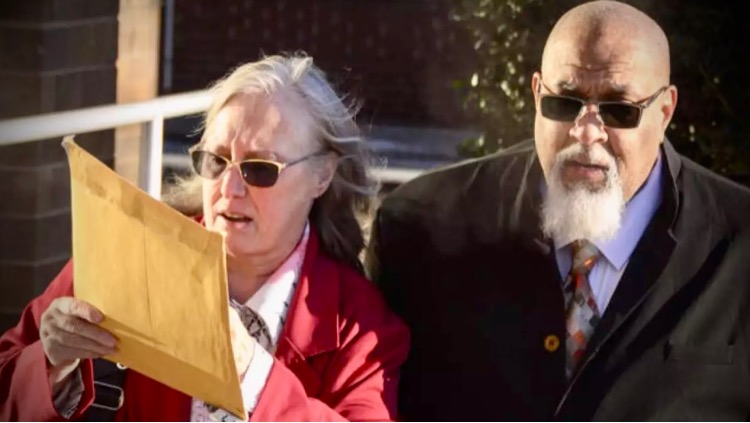
Cedric and Denise Lodge enter the Herman T. Schneebeli Federal Building and Courthouse for sentencing via WBUR
WILLIAMSPORT, PA — A former manager of the Harvard Medical School morgue was sentenced to eight years in prison for stealing and selling human remains from cadavers donated for research.
His wife, Denise Lodge, was sentenced to one year and a day for assisting him.
Cedric Lodge, 58, of Goffstown, New Hampshire, worked at the morgue for 28 years. Prosecutors alleged that between 2018 and March 2020, he removed body parts such as brains, skin, hands, hearts, and faces. Lodge then shipped the remains to buyers in several states, according to Firstpost.
NBC News reported that Assistant U.S. Attorney Alisan Martin described the case as “deeply horrifying.” She said Lodge provided skin to one buyer so it could be tanned into leather and bound into a book.
“Cedric and Denise Lodge sold a man’s face — perhaps to be kept on a shelf, perhaps to be used for something even more disturbing,” Martin wrote. She said Lodge treated the remains of “beloved human beings as if they were baubles to be sold for profit.”
Prosecutors said Lodge collected thousands of dollars from the sales, as per NBC News. At least six other people, including an employee at an Arkansas crematorium, have pleaded guilty in connection with the investigation into body-parts trafficking.
Donated bodies are typically returned to families or cremated once research or teaching is complete. Lodge admitted to removing parts before cremation. In court, he expressed regret.
Defense attorney Patrick Casey called the conduct “egregious” and said Lodge realizes the harm he inflicted on the departed loved ones and their families. “Mr. Lodge acknowledges the seriousness of his conduct and the harm his actions have inflicted on both the deceased persons whose bodies he callously degraded and their grieving families,” Casey said as per WBUR.
Harvard Medical School suspended its body donation program for five months in 2023 after federal charges were filed. During the pause, the school reviewed procedures and increased oversight of its anatomical gift program.
Harvard said Lodge was dismissed in May 2023 after the investigation became public.
Court records show Lodge used his access to the morgue to remove parts discreetly, bypassing standard procedures for cremation and return of remains to families.
Prosecutors argued that his actions violated the trust of families who donated loved ones’ bodies to science and undermined the integrity of medical research programs.
More than 400 families whose relatives donated their bodies to Harvard may have been affected by the thefts, according to WBUR.
Kathleen Barber, whose father donated his body to the medical school, told the court that Lodge had stolen the family’s peace. She said they do not know what parts of their father may have been taken or where his remains are.
The Supreme Judicial Court ruled in October that civil suits against Harvard could proceed. The decision described the university’s oversight of Cedric Lodge as an “extraordinary failure.”
WBUR reported that lawyers for Harvard and donor families appeared on Dec. 9 in Suffolk Superior Court for the first hearing since the ruling. The families are seeking damages in the civil suit and hope it provides answers about how the thefts went undetected for years.
Presumption of Innocence: A presumption of innocence means that any defendant in a criminal trial is presumed to be innocent until they have been proven guilty beyond a reasonable doubt in a court of law. The defendant in this case is only accused of the charges set forth in the criminal complaint. They are innocent until proven guilty.
Editor Picks





Latest Articles




Harvard Morgue Manager Gets Prison Time for Selling Human Remains
Cedric Lodge was sentenced to eight years for stealing and selling remains donated for research.
By Kate Byrd
Published: December 24, 2025 8:31 am ET
Cedric and Denise Lodge enter the Herman T. Schneebeli Federal Building and Courthouse for sentencing via WBUR
WILLIAMSPORT, PA — A former manager of the Harvard Medical School morgue was sentenced to eight years in prison for stealing and selling human remains from cadavers donated for research.
His wife, Denise Lodge, was sentenced to one year and a day for assisting him.
Cedric Lodge, 58, of Goffstown, New Hampshire, worked at the morgue for 28 years. Prosecutors alleged that between 2018 and March 2020, he removed body parts such as brains, skin, hands, hearts, and faces. Lodge then shipped the remains to buyers in several states, according to Firstpost.
NBC News reported that Assistant U.S. Attorney Alisan Martin described the case as “deeply horrifying.” She said Lodge provided skin to one buyer so it could be tanned into leather and bound into a book.
“Cedric and Denise Lodge sold a man’s face — perhaps to be kept on a shelf, perhaps to be used for something even more disturbing,” Martin wrote. She said Lodge treated the remains of “beloved human beings as if they were baubles to be sold for profit.”
Prosecutors said Lodge collected thousands of dollars from the sales, as per NBC News. At least six other people, including an employee at an Arkansas crematorium, have pleaded guilty in connection with the investigation into body-parts trafficking.
Donated bodies are typically returned to families or cremated once research or teaching is complete. Lodge admitted to removing parts before cremation. In court, he expressed regret.
Defense attorney Patrick Casey called the conduct “egregious” and said Lodge realizes the harm he inflicted on the departed loved ones and their families. “Mr. Lodge acknowledges the seriousness of his conduct and the harm his actions have inflicted on both the deceased persons whose bodies he callously degraded and their grieving families,” Casey said as per WBUR.
Harvard Medical School suspended its body donation program for five months in 2023 after federal charges were filed. During the pause, the school reviewed procedures and increased oversight of its anatomical gift program.
Harvard said Lodge was dismissed in May 2023 after the investigation became public.
Court records show Lodge used his access to the morgue to remove parts discreetly, bypassing standard procedures for cremation and return of remains to families.
Prosecutors argued that his actions violated the trust of families who donated loved ones’ bodies to science and undermined the integrity of medical research programs.
More than 400 families whose relatives donated their bodies to Harvard may have been affected by the thefts, according to WBUR.
Kathleen Barber, whose father donated his body to the medical school, told the court that Lodge had stolen the family’s peace. She said they do not know what parts of their father may have been taken or where his remains are.
The Supreme Judicial Court ruled in October that civil suits against Harvard could proceed. The decision described the university’s oversight of Cedric Lodge as an “extraordinary failure.”
WBUR reported that lawyers for Harvard and donor families appeared on Dec. 9 in Suffolk Superior Court for the first hearing since the ruling. The families are seeking damages in the civil suit and hope it provides answers about how the thefts went undetected for years.
Presumption of Innocence: A presumption of innocence means that any defendant in a criminal trial is presumed to be innocent until they have been proven guilty beyond a reasonable doubt in a court of law. The defendant in this case is only accused of the charges set forth in the criminal complaint. They are innocent until proven guilty.
Editor's Note: ThePo makes every effort to accurately transcribe the contents of affidavits of probable cause contained in criminal complaints. Often, the complaints themselves are copies of copies of faxed copies, and are difficult to read. To confirm the accuracy of our transcription, contact the Magisterial District Court listed above and request a copy of the criminal complaint. It's a public record to which you are entitled.
Must Read
Editor Picks
Latest Articles
Harvard Morgue Manager Gets Prison Time for Selling Human Remains
Cedric Lodge was sentenced to eight years for stealing and selling remains donated for research.
By Kate Byrd
Published: December 24, 2025 8:31 am ET
Cedric and Denise Lodge enter the Herman T. Schneebeli Federal Building and Courthouse for sentencing via WBUR
WILLIAMSPORT, PA — A former manager of the Harvard Medical School morgue was sentenced to eight years in prison for stealing and selling human remains from cadavers donated for research.
His wife, Denise Lodge, was sentenced to one year and a day for assisting him.
Cedric Lodge, 58, of Goffstown, New Hampshire, worked at the morgue for 28 years. Prosecutors alleged that between 2018 and March 2020, he removed body parts such as brains, skin, hands, hearts, and faces. Lodge then shipped the remains to buyers in several states, according to Firstpost.
NBC News reported that Assistant U.S. Attorney Alisan Martin described the case as “deeply horrifying.” She said Lodge provided skin to one buyer so it could be tanned into leather and bound into a book.
“Cedric and Denise Lodge sold a man’s face — perhaps to be kept on a shelf, perhaps to be used for something even more disturbing,” Martin wrote. She said Lodge treated the remains of “beloved human beings as if they were baubles to be sold for profit.”
Prosecutors said Lodge collected thousands of dollars from the sales, as per NBC News. At least six other people, including an employee at an Arkansas crematorium, have pleaded guilty in connection with the investigation into body-parts trafficking.
Donated bodies are typically returned to families or cremated once research or teaching is complete. Lodge admitted to removing parts before cremation. In court, he expressed regret.
Defense attorney Patrick Casey called the conduct “egregious” and said Lodge realizes the harm he inflicted on the departed loved ones and their families. “Mr. Lodge acknowledges the seriousness of his conduct and the harm his actions have inflicted on both the deceased persons whose bodies he callously degraded and their grieving families,” Casey said as per WBUR.
Harvard Medical School suspended its body donation program for five months in 2023 after federal charges were filed. During the pause, the school reviewed procedures and increased oversight of its anatomical gift program.
Harvard said Lodge was dismissed in May 2023 after the investigation became public.
Court records show Lodge used his access to the morgue to remove parts discreetly, bypassing standard procedures for cremation and return of remains to families.
Prosecutors argued that his actions violated the trust of families who donated loved ones’ bodies to science and undermined the integrity of medical research programs.
More than 400 families whose relatives donated their bodies to Harvard may have been affected by the thefts, according to WBUR.
Kathleen Barber, whose father donated his body to the medical school, told the court that Lodge had stolen the family’s peace. She said they do not know what parts of their father may have been taken or where his remains are.
The Supreme Judicial Court ruled in October that civil suits against Harvard could proceed. The decision described the university’s oversight of Cedric Lodge as an “extraordinary failure.”
WBUR reported that lawyers for Harvard and donor families appeared on Dec. 9 in Suffolk Superior Court for the first hearing since the ruling. The families are seeking damages in the civil suit and hope it provides answers about how the thefts went undetected for years.
Presumption of Innocence: A presumption of innocence means that any defendant in a criminal trial is presumed to be innocent until they have been proven guilty beyond a reasonable doubt in a court of law. The defendant in this case is only accused of the charges set forth in the criminal complaint. They are innocent until proven guilty.
Editor's Note: ThePo makes every effort to accurately transcribe the contents of affidavits of probable cause contained in criminal complaints. Often, the complaints themselves are copies of copies of faxed copies, and are difficult to read. To confirm the accuracy of our transcription, contact the Magisterial District Court listed above and request a copy of the criminal complaint. It's a public record to which you are entitled.
Must Read
