

Topline: A Baton Rouge man accused of raping a 4-year-old child could face castration or the death penalty if convicted.
Published: September 16, 2025 7:00 am ET

Must Read
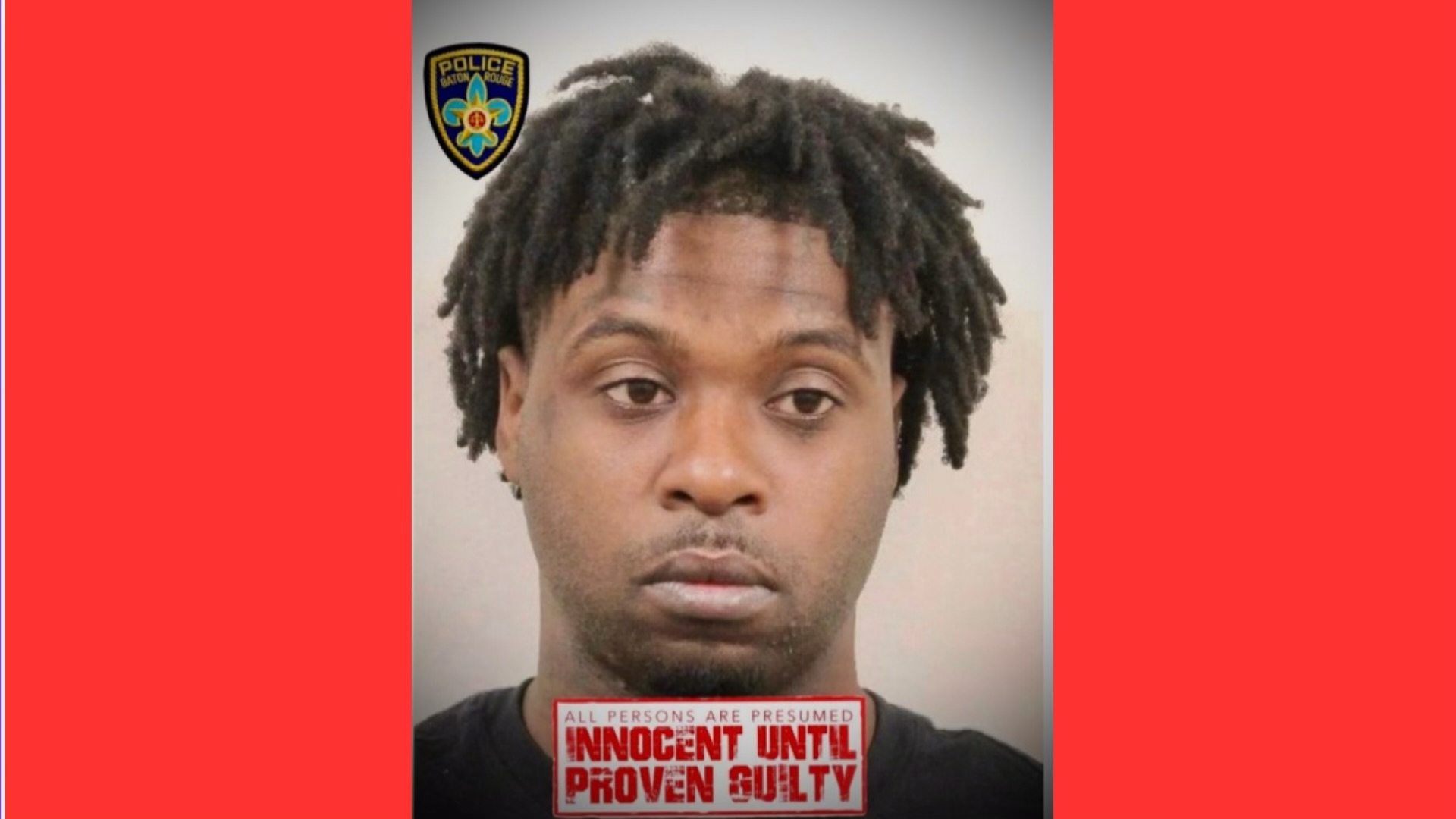
Anthony Jelks Jr. (via Baton Rouge Police Department)
BATON ROUGE, LA — A Louisiana man is in custody, accused of raping a 4-year-old and exposing her to a sexually transmitted disease.
Prosecutors say Anthony James Jelks Jr., 25, could face severe punishments, including surgical castration or the death penalty, if convicted.
According to WAFB, East Baton Rouge Parish District Attorney Hillar Moore said on September 8 that his office will consider all options in the case against Jelks.
Moore noted the child contracted chlamydia from the alleged assault but is expected to make a full recovery since the infection is not permanent.
“I can’t think of anything worse than raping a child,” Moore said.
In 2024, Louisiana became the first state to allow surgical castration, along with chemical castration, for certain sexual assault cases. This new law gives Moore a way to pursue that punishment.
However, seeking the death penalty presents a challenge. A 2008 U.S. Supreme Court ruling, Kennedy v. Louisiana, found that the death penalty for non-lethal rape or sexual assault is unconstitutional, violating the Eighth Amendment’s prohibition against cruel and unusual punishment. The last person sentenced to death for a non-homicidal rape in the U.S. was in 1964, Moore said.
Despite the Supreme Court precedent, Moore said a Louisiana statute remains on the books that could allow him to present the case for the death penalty to a grand jury.
“We do follow Supreme Court law, and we would have to change the decision by the Supreme Court to do that,” Moore said. “But depending on the facts, …this is something I would consider doing.”
Moore admitted that pursuing such an extreme punishment might divide the public.
“If the facts are there, I think the community would probably support that,” he said. “Although, there are some who would disagree, and I understand that completely. But we will wait to see what the facts are.”
Louisiana Attorney General Liz Murrill voiced her support for Moore’s considerations in a statement released on Louisiana First News. She said she would support Moore in seeking a reversal of the Supreme Court’s precedent.
“Life in prison is inadequate for cases like this,” Murrill said. “I’ll do everything within my power to support the District Attorney in the case and obtain justice for this little girl, whose innocence was stolen by this vile act, including seeking reversal of United States Supreme Court precedent blocking the death penalty for rape of a child.”
Presumption of Innocence: A presumption of innocence means that any defendant in a criminal trial is presumed to be innocent until they have been proven guilty beyond a reasonable doubt in a court of law. The defendant in this case is only accused of the charges set forth in the criminal complaint. They are innocent until proven guilty.
Editor Picks





Latest Articles



Baton Rouge District Attorney Eyes Castration, Death Penalty in Child Rape Case
A Baton Rouge man accused of raping a 4-year-old child could face castration or the death penalty if convicted.
By Kate Byrd
Published: September 16, 2025 7:00 am ET
Anthony Jelks Jr. (via Baton Rouge Police Department)
BATON ROUGE, LA — A Louisiana man is in custody, accused of raping a 4-year-old and exposing her to a sexually transmitted disease.
Prosecutors say Anthony James Jelks Jr., 25, could face severe punishments, including surgical castration or the death penalty, if convicted.
According to WAFB, East Baton Rouge Parish District Attorney Hillar Moore said on September 8 that his office will consider all options in the case against Jelks.
Moore noted the child contracted chlamydia from the alleged assault but is expected to make a full recovery since the infection is not permanent.
“I can’t think of anything worse than raping a child,” Moore said.
In 2024, Louisiana became the first state to allow surgical castration, along with chemical castration, for certain sexual assault cases. This new law gives Moore a way to pursue that punishment.
However, seeking the death penalty presents a challenge. A 2008 U.S. Supreme Court ruling, Kennedy v. Louisiana, found that the death penalty for non-lethal rape or sexual assault is unconstitutional, violating the Eighth Amendment’s prohibition against cruel and unusual punishment. The last person sentenced to death for a non-homicidal rape in the U.S. was in 1964, Moore said.
Despite the Supreme Court precedent, Moore said a Louisiana statute remains on the books that could allow him to present the case for the death penalty to a grand jury.
“We do follow Supreme Court law, and we would have to change the decision by the Supreme Court to do that,” Moore said. “But depending on the facts, …this is something I would consider doing.”
Moore admitted that pursuing such an extreme punishment might divide the public.
“If the facts are there, I think the community would probably support that,” he said. “Although, there are some who would disagree, and I understand that completely. But we will wait to see what the facts are.”
Louisiana Attorney General Liz Murrill voiced her support for Moore’s considerations in a statement released on Louisiana First News. She said she would support Moore in seeking a reversal of the Supreme Court’s precedent.
“Life in prison is inadequate for cases like this,” Murrill said. “I’ll do everything within my power to support the District Attorney in the case and obtain justice for this little girl, whose innocence was stolen by this vile act, including seeking reversal of United States Supreme Court precedent blocking the death penalty for rape of a child.”
Presumption of Innocence: A presumption of innocence means that any defendant in a criminal trial is presumed to be innocent until they have been proven guilty beyond a reasonable doubt in a court of law. The defendant in this case is only accused of the charges set forth in the criminal complaint. They are innocent until proven guilty.
Editor's Note: ThePo makes every effort to accurately transcribe the contents of affidavits of probable cause contained in criminal complaints. Often, the complaints themselves are copies of copies of faxed copies, and are difficult to read. To confirm the accuracy of our transcription, contact the Magisterial District Court listed above and request a copy of the criminal complaint. It's a public record to which you are entitled.
Must Read
Editor Picks
Latest Articles
Baton Rouge District Attorney Eyes Castration, Death Penalty in Child Rape Case
A Baton Rouge man accused of raping a 4-year-old child could face castration or the death penalty if convicted.
By Kate Byrd
Published: September 16, 2025 7:00 am ET
Anthony Jelks Jr. (via Baton Rouge Police Department)
BATON ROUGE, LA — A Louisiana man is in custody, accused of raping a 4-year-old and exposing her to a sexually transmitted disease.
Prosecutors say Anthony James Jelks Jr., 25, could face severe punishments, including surgical castration or the death penalty, if convicted.
According to WAFB, East Baton Rouge Parish District Attorney Hillar Moore said on September 8 that his office will consider all options in the case against Jelks.
Moore noted the child contracted chlamydia from the alleged assault but is expected to make a full recovery since the infection is not permanent.
“I can’t think of anything worse than raping a child,” Moore said.
In 2024, Louisiana became the first state to allow surgical castration, along with chemical castration, for certain sexual assault cases. This new law gives Moore a way to pursue that punishment.
However, seeking the death penalty presents a challenge. A 2008 U.S. Supreme Court ruling, Kennedy v. Louisiana, found that the death penalty for non-lethal rape or sexual assault is unconstitutional, violating the Eighth Amendment’s prohibition against cruel and unusual punishment. The last person sentenced to death for a non-homicidal rape in the U.S. was in 1964, Moore said.
Despite the Supreme Court precedent, Moore said a Louisiana statute remains on the books that could allow him to present the case for the death penalty to a grand jury.
“We do follow Supreme Court law, and we would have to change the decision by the Supreme Court to do that,” Moore said. “But depending on the facts, …this is something I would consider doing.”
Moore admitted that pursuing such an extreme punishment might divide the public.
“If the facts are there, I think the community would probably support that,” he said. “Although, there are some who would disagree, and I understand that completely. But we will wait to see what the facts are.”
Louisiana Attorney General Liz Murrill voiced her support for Moore’s considerations in a statement released on Louisiana First News. She said she would support Moore in seeking a reversal of the Supreme Court’s precedent.
“Life in prison is inadequate for cases like this,” Murrill said. “I’ll do everything within my power to support the District Attorney in the case and obtain justice for this little girl, whose innocence was stolen by this vile act, including seeking reversal of United States Supreme Court precedent blocking the death penalty for rape of a child.”
Presumption of Innocence: A presumption of innocence means that any defendant in a criminal trial is presumed to be innocent until they have been proven guilty beyond a reasonable doubt in a court of law. The defendant in this case is only accused of the charges set forth in the criminal complaint. They are innocent until proven guilty.
Editor's Note: ThePo makes every effort to accurately transcribe the contents of affidavits of probable cause contained in criminal complaints. Often, the complaints themselves are copies of copies of faxed copies, and are difficult to read. To confirm the accuracy of our transcription, contact the Magisterial District Court listed above and request a copy of the criminal complaint. It's a public record to which you are entitled.
Must Read
