

Topline: Ian Cleary was sentenced after admitting to the rape that Keeler reported in 2013, but saw no charges until 2021.
Published: October 22, 2025 4:08 pm ET

Must Read
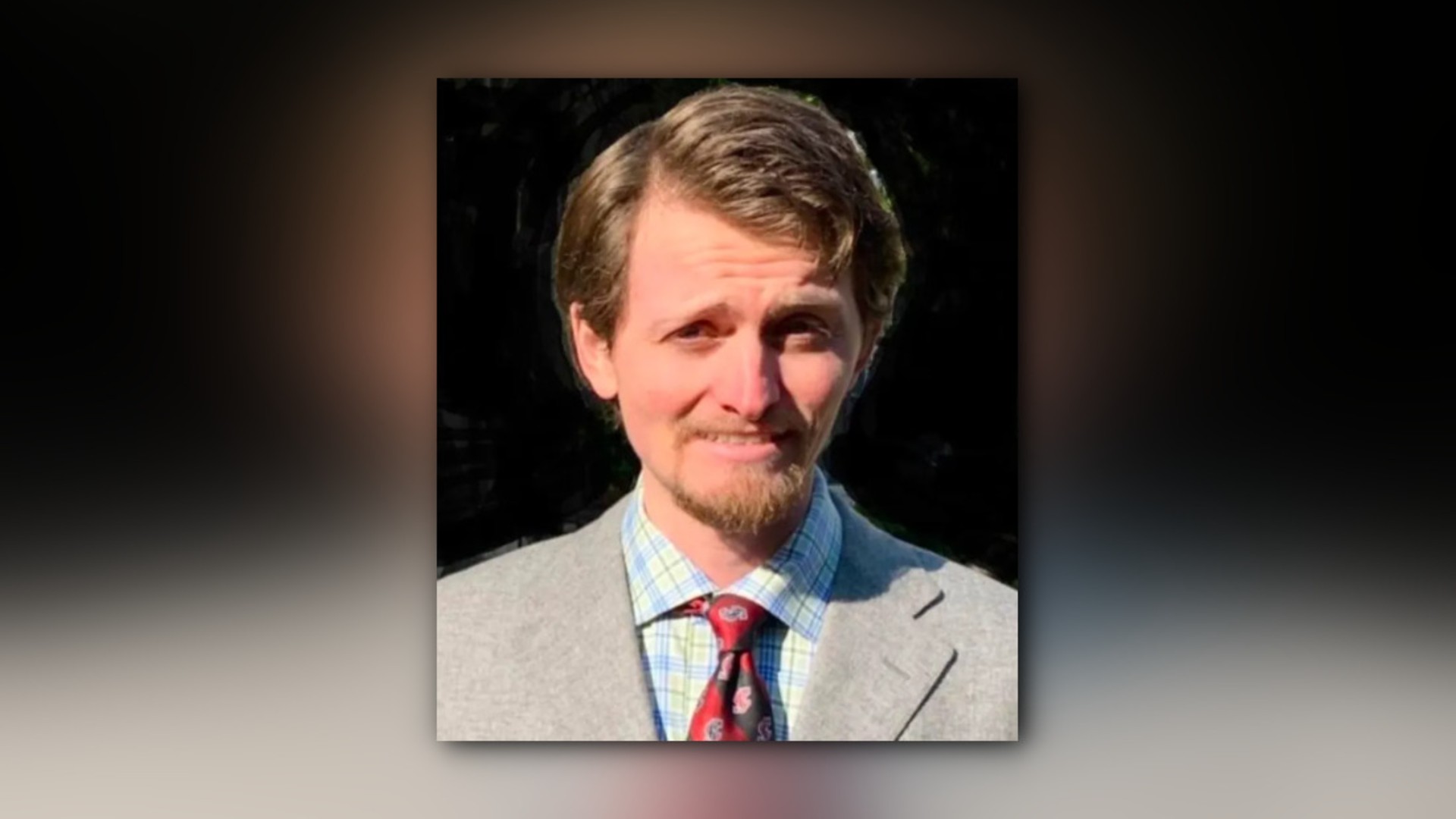
Ian Cleary (via U.S. Marshals Service)
GETTYSBURG, PA — After nearly 12 years of waiting, Shannon Keeler stood in a Gettysburg courtroom Monday and faced the man who had once followed her into her dorm room and sexually assaulted her.
The man, Ian Cleary, now 32, was sentenced to two to four years in prison, a sentence well below what prosecutors had initially sought. His guilty plea, expressions of remorse, and a documented history of mental illness influenced the judge’s decision, according to reporting from the Associated Press.
The journey to that courtroom moment began in 2013, during Keeler’s freshman year at Gettysburg College. She had gone to a fraternity party, and a male student—later identified as Cleary—persistently harassed her throughout the night, she told ABC News.
Concerned for her safety, a friend walked her back to her dorm. Not long after, there was a knock on the door. She opened it to find Cleary, who, as Keeler recounted in her interview with Good Morning America, came in uninvited. Once inside, she said, he raped her.
Keeler reported the assault immediately, submitting to hours of police questioning and a rape kit. Still, prosecutors declined to press charges at the time—a hesitation that is tragically common in campus sexual assault cases, as both Keeler and her attorney, Andrea Levy, have pointed out publicly. According to The Guardian, Levy said the final sentence was “less than what we expected and certainly less than he deserves,” but also acknowledged the relief of seeing the case finally resolved.
In 2019, Keeler’s past returned in a disturbing Facebook message from Cleary: “So I raped you,” it read. The Associated Press reports that Cleary sent the message as part of a 12-step recovery program, claiming he hoped to make amends. Instead, it reopened the pain Keeler had fought to carry silently for years. “The trauma of that night wasn’t confined to my dorm room. It changed how I saw myself,” she told the court Monday.
Keeler shared the message with authorities and reignited her push for prosecution. In 2021, the same year she publicly told her story in an AP feature on the mishandling of campus sex crimes, charges were filed.
According to The Guardian, it was only after that coverage that Cleary was indicted. It would take another three years before he was finally located—living in France, where he was detained on a vagrancy-related charge in Metz in 2024. He was extradited to Pennsylvania last year.
Back in court, Cleary stood just feet from Keeler and offered an apology—to her, and to his father. “I’m committed to getting treatment for mental health and stuff like that as I go forward,” he said, according to The Guardian. Senior Judge Kevin Hess acknowledged the gravity of the crime, saying, “Anyone with daughters or, like me, granddaughters in college would find this horrifying.” Still, the judge emphasized Cleary’s cooperation and expression of guilt in handing down the lighter sentence.
Keeler, for her part, has shown both courage and grace. Speaking to ABC News, she admitted that while the sentence was shorter than expected, “he’s going to jail, and he’s going to have the label of a sexual predator for the rest of his life, and that’s accountability.” She added, “For that, I’m happy, and I’m grateful, and I’m relieved, and I’m lucky.”
Cleary’s path after leaving Gettysburg had been surprisingly upward: according to The Guardian, he finished his degree in California, earned a master’s, worked for Tesla, and later moved abroad. His arrest and return to the U.S. came only after a long trail of missed opportunities and discarded evidence—including, as Keeler revealed in court, the rape kit results from 2013, which were lost before the indictment.
“The system meant to protect me protected you instead,” Keeler said. “This isn’t just my story. This is the story of countless women.”
Keeler’s attorney, Andrea Levy, said the sentence was “less than what we expected and certainly less than he deserves,” but added that there was relief in finally reaching the end of such a long and painful process.
At the time of the assault, Keeler was an 18-year-old freshman in her first semester at Gettysburg College. She told police that Cleary entered her dorm on the eve of winter break—when the campus was nearly empty—pushed his way into her room, and assaulted her. She immediately reported what happened, cooperated fully, and submitted to a rape kit. Yet, despite her efforts, prosecutors declined to file charges.
It wasn’t until 2019 that the case resurfaced, when Keeler saw a series of Facebook messages Cleary had sent—one of which read, “So I raped you.” She later told ABC News the message said, “I’ll never do it to anyone ever again.” According to the Associated Press, Cleary said he had sent the messages as part of a 12-step recovery program, in an attempt to make amends.
After sharing her experience publicly in a 2021 Associated Press story that highlighted the frequent reluctance of prosecutors to pursue campus sexual assault cases, Keeler’s case gained renewed attention. The Adams County District Attorney’s Office filed charges just weeks after the story was published.
Authorities located Cleary in France in 2024, where he had been detained on a vagrancy-related charge. He was extradited later that year. Earlier this summer, he pleaded guilty to second-degree sexual assault.
In court, Cleary stood only a few feet from Keeler and apologized to her and to his father. “I’m committed to getting treatment for mental health and stuff like that as I go forward,” he said, according to The Guardian.
Judge Kevin Hess acknowledged the emotional weight of the case, saying the crime would be “horrifying” to anyone with daughters—or, as in his case, granddaughters—in college. Yet he pointed to Cleary’s guilty plea and his expression of remorse as reasons for imposing a sentence below the state’s guidelines.
Keeler later told the court that the years of delay had come at a steep cost.
“The system that failed me a decade ago finally delivered accountability, but at a cost,” she said. “Evidence was lost. Time passed. My life moved on, but the impact never went away, not for me, not for my family, not for anyone who had to watch this unfold again and again.”
Presumption of Innocence: A presumption of innocence means that any defendant in a criminal trial is presumed to be innocent until they have been proven guilty beyond a reasonable doubt in a court of law. The defendant in this case is only accused of the charges set forth in the criminal complaint. They are innocent until proven guilty.
Editor Picks





Latest Articles



Man Who Facebook Messaged Rape Victim ‘So I Raped You’ Gets 2-4 Years in Prison
Ian Cleary was sentenced after admitting to the rape that Keeler reported in 2013, but saw no charges until 2021.
By Jacob Charles
Published: October 22, 2025 4:08 pm ET
Ian Cleary (via U.S. Marshals Service)
GETTYSBURG, PA — After nearly 12 years of waiting, Shannon Keeler stood in a Gettysburg courtroom Monday and faced the man who had once followed her into her dorm room and sexually assaulted her.
The man, Ian Cleary, now 32, was sentenced to two to four years in prison, a sentence well below what prosecutors had initially sought. His guilty plea, expressions of remorse, and a documented history of mental illness influenced the judge’s decision, according to reporting from the Associated Press.
The journey to that courtroom moment began in 2013, during Keeler’s freshman year at Gettysburg College. She had gone to a fraternity party, and a male student—later identified as Cleary—persistently harassed her throughout the night, she told ABC News.
Concerned for her safety, a friend walked her back to her dorm. Not long after, there was a knock on the door. She opened it to find Cleary, who, as Keeler recounted in her interview with Good Morning America, came in uninvited. Once inside, she said, he raped her.
Keeler reported the assault immediately, submitting to hours of police questioning and a rape kit. Still, prosecutors declined to press charges at the time—a hesitation that is tragically common in campus sexual assault cases, as both Keeler and her attorney, Andrea Levy, have pointed out publicly. According to The Guardian, Levy said the final sentence was “less than what we expected and certainly less than he deserves,” but also acknowledged the relief of seeing the case finally resolved.
In 2019, Keeler’s past returned in a disturbing Facebook message from Cleary: “So I raped you,” it read. The Associated Press reports that Cleary sent the message as part of a 12-step recovery program, claiming he hoped to make amends. Instead, it reopened the pain Keeler had fought to carry silently for years. “The trauma of that night wasn’t confined to my dorm room. It changed how I saw myself,” she told the court Monday.
Keeler shared the message with authorities and reignited her push for prosecution. In 2021, the same year she publicly told her story in an AP feature on the mishandling of campus sex crimes, charges were filed.
According to The Guardian, it was only after that coverage that Cleary was indicted. It would take another three years before he was finally located—living in France, where he was detained on a vagrancy-related charge in Metz in 2024. He was extradited to Pennsylvania last year.
Back in court, Cleary stood just feet from Keeler and offered an apology—to her, and to his father. “I’m committed to getting treatment for mental health and stuff like that as I go forward,” he said, according to The Guardian. Senior Judge Kevin Hess acknowledged the gravity of the crime, saying, “Anyone with daughters or, like me, granddaughters in college would find this horrifying.” Still, the judge emphasized Cleary’s cooperation and expression of guilt in handing down the lighter sentence.
Keeler, for her part, has shown both courage and grace. Speaking to ABC News, she admitted that while the sentence was shorter than expected, “he’s going to jail, and he’s going to have the label of a sexual predator for the rest of his life, and that’s accountability.” She added, “For that, I’m happy, and I’m grateful, and I’m relieved, and I’m lucky.”
Cleary’s path after leaving Gettysburg had been surprisingly upward: according to The Guardian, he finished his degree in California, earned a master’s, worked for Tesla, and later moved abroad. His arrest and return to the U.S. came only after a long trail of missed opportunities and discarded evidence—including, as Keeler revealed in court, the rape kit results from 2013, which were lost before the indictment.
“The system meant to protect me protected you instead,” Keeler said. “This isn’t just my story. This is the story of countless women.”
Keeler’s attorney, Andrea Levy, said the sentence was “less than what we expected and certainly less than he deserves,” but added that there was relief in finally reaching the end of such a long and painful process.
At the time of the assault, Keeler was an 18-year-old freshman in her first semester at Gettysburg College. She told police that Cleary entered her dorm on the eve of winter break—when the campus was nearly empty—pushed his way into her room, and assaulted her. She immediately reported what happened, cooperated fully, and submitted to a rape kit. Yet, despite her efforts, prosecutors declined to file charges.
It wasn’t until 2019 that the case resurfaced, when Keeler saw a series of Facebook messages Cleary had sent—one of which read, “So I raped you.” She later told ABC News the message said, “I’ll never do it to anyone ever again.” According to the Associated Press, Cleary said he had sent the messages as part of a 12-step recovery program, in an attempt to make amends.
After sharing her experience publicly in a 2021 Associated Press story that highlighted the frequent reluctance of prosecutors to pursue campus sexual assault cases, Keeler’s case gained renewed attention. The Adams County District Attorney’s Office filed charges just weeks after the story was published.
Authorities located Cleary in France in 2024, where he had been detained on a vagrancy-related charge. He was extradited later that year. Earlier this summer, he pleaded guilty to second-degree sexual assault.
In court, Cleary stood only a few feet from Keeler and apologized to her and to his father. “I’m committed to getting treatment for mental health and stuff like that as I go forward,” he said, according to The Guardian.
Judge Kevin Hess acknowledged the emotional weight of the case, saying the crime would be “horrifying” to anyone with daughters—or, as in his case, granddaughters—in college. Yet he pointed to Cleary’s guilty plea and his expression of remorse as reasons for imposing a sentence below the state’s guidelines.
Keeler later told the court that the years of delay had come at a steep cost.
“The system that failed me a decade ago finally delivered accountability, but at a cost,” she said. “Evidence was lost. Time passed. My life moved on, but the impact never went away, not for me, not for my family, not for anyone who had to watch this unfold again and again.”
Presumption of Innocence: A presumption of innocence means that any defendant in a criminal trial is presumed to be innocent until they have been proven guilty beyond a reasonable doubt in a court of law. The defendant in this case is only accused of the charges set forth in the criminal complaint. They are innocent until proven guilty.
Editor's Note: ThePo makes every effort to accurately transcribe the contents of affidavits of probable cause contained in criminal complaints. Often, the complaints themselves are copies of copies of faxed copies, and are difficult to read. To confirm the accuracy of our transcription, contact the Magisterial District Court listed above and request a copy of the criminal complaint. It's a public record to which you are entitled.
Must Read
Editor Picks
Latest Articles
Man Who Facebook Messaged Rape Victim ‘So I Raped You’ Gets 2-4 Years in Prison
Ian Cleary was sentenced after admitting to the rape that Keeler reported in 2013, but saw no charges until 2021.
By Jacob Charles
Published: October 22, 2025 4:08 pm ET
Ian Cleary (via U.S. Marshals Service)
GETTYSBURG, PA — After nearly 12 years of waiting, Shannon Keeler stood in a Gettysburg courtroom Monday and faced the man who had once followed her into her dorm room and sexually assaulted her.
The man, Ian Cleary, now 32, was sentenced to two to four years in prison, a sentence well below what prosecutors had initially sought. His guilty plea, expressions of remorse, and a documented history of mental illness influenced the judge’s decision, according to reporting from the Associated Press.
The journey to that courtroom moment began in 2013, during Keeler’s freshman year at Gettysburg College. She had gone to a fraternity party, and a male student—later identified as Cleary—persistently harassed her throughout the night, she told ABC News.
Concerned for her safety, a friend walked her back to her dorm. Not long after, there was a knock on the door. She opened it to find Cleary, who, as Keeler recounted in her interview with Good Morning America, came in uninvited. Once inside, she said, he raped her.
Keeler reported the assault immediately, submitting to hours of police questioning and a rape kit. Still, prosecutors declined to press charges at the time—a hesitation that is tragically common in campus sexual assault cases, as both Keeler and her attorney, Andrea Levy, have pointed out publicly. According to The Guardian, Levy said the final sentence was “less than what we expected and certainly less than he deserves,” but also acknowledged the relief of seeing the case finally resolved.
In 2019, Keeler’s past returned in a disturbing Facebook message from Cleary: “So I raped you,” it read. The Associated Press reports that Cleary sent the message as part of a 12-step recovery program, claiming he hoped to make amends. Instead, it reopened the pain Keeler had fought to carry silently for years. “The trauma of that night wasn’t confined to my dorm room. It changed how I saw myself,” she told the court Monday.
Keeler shared the message with authorities and reignited her push for prosecution. In 2021, the same year she publicly told her story in an AP feature on the mishandling of campus sex crimes, charges were filed.
According to The Guardian, it was only after that coverage that Cleary was indicted. It would take another three years before he was finally located—living in France, where he was detained on a vagrancy-related charge in Metz in 2024. He was extradited to Pennsylvania last year.
Back in court, Cleary stood just feet from Keeler and offered an apology—to her, and to his father. “I’m committed to getting treatment for mental health and stuff like that as I go forward,” he said, according to The Guardian. Senior Judge Kevin Hess acknowledged the gravity of the crime, saying, “Anyone with daughters or, like me, granddaughters in college would find this horrifying.” Still, the judge emphasized Cleary’s cooperation and expression of guilt in handing down the lighter sentence.
Keeler, for her part, has shown both courage and grace. Speaking to ABC News, she admitted that while the sentence was shorter than expected, “he’s going to jail, and he’s going to have the label of a sexual predator for the rest of his life, and that’s accountability.” She added, “For that, I’m happy, and I’m grateful, and I’m relieved, and I’m lucky.”
Cleary’s path after leaving Gettysburg had been surprisingly upward: according to The Guardian, he finished his degree in California, earned a master’s, worked for Tesla, and later moved abroad. His arrest and return to the U.S. came only after a long trail of missed opportunities and discarded evidence—including, as Keeler revealed in court, the rape kit results from 2013, which were lost before the indictment.
“The system meant to protect me protected you instead,” Keeler said. “This isn’t just my story. This is the story of countless women.”
Keeler’s attorney, Andrea Levy, said the sentence was “less than what we expected and certainly less than he deserves,” but added that there was relief in finally reaching the end of such a long and painful process.
At the time of the assault, Keeler was an 18-year-old freshman in her first semester at Gettysburg College. She told police that Cleary entered her dorm on the eve of winter break—when the campus was nearly empty—pushed his way into her room, and assaulted her. She immediately reported what happened, cooperated fully, and submitted to a rape kit. Yet, despite her efforts, prosecutors declined to file charges.
It wasn’t until 2019 that the case resurfaced, when Keeler saw a series of Facebook messages Cleary had sent—one of which read, “So I raped you.” She later told ABC News the message said, “I’ll never do it to anyone ever again.” According to the Associated Press, Cleary said he had sent the messages as part of a 12-step recovery program, in an attempt to make amends.
After sharing her experience publicly in a 2021 Associated Press story that highlighted the frequent reluctance of prosecutors to pursue campus sexual assault cases, Keeler’s case gained renewed attention. The Adams County District Attorney’s Office filed charges just weeks after the story was published.
Authorities located Cleary in France in 2024, where he had been detained on a vagrancy-related charge. He was extradited later that year. Earlier this summer, he pleaded guilty to second-degree sexual assault.
In court, Cleary stood only a few feet from Keeler and apologized to her and to his father. “I’m committed to getting treatment for mental health and stuff like that as I go forward,” he said, according to The Guardian.
Judge Kevin Hess acknowledged the emotional weight of the case, saying the crime would be “horrifying” to anyone with daughters—or, as in his case, granddaughters—in college. Yet he pointed to Cleary’s guilty plea and his expression of remorse as reasons for imposing a sentence below the state’s guidelines.
Keeler later told the court that the years of delay had come at a steep cost.
“The system that failed me a decade ago finally delivered accountability, but at a cost,” she said. “Evidence was lost. Time passed. My life moved on, but the impact never went away, not for me, not for my family, not for anyone who had to watch this unfold again and again.”
Presumption of Innocence: A presumption of innocence means that any defendant in a criminal trial is presumed to be innocent until they have been proven guilty beyond a reasonable doubt in a court of law. The defendant in this case is only accused of the charges set forth in the criminal complaint. They are innocent until proven guilty.
Editor's Note: ThePo makes every effort to accurately transcribe the contents of affidavits of probable cause contained in criminal complaints. Often, the complaints themselves are copies of copies of faxed copies, and are difficult to read. To confirm the accuracy of our transcription, contact the Magisterial District Court listed above and request a copy of the criminal complaint. It's a public record to which you are entitled.
Must Read
